In today's increasingly frequent global trade, the smooth import and export of goods are crucial for the operation and development of enterprises. General import and export customs declaration, as a vital link in the process of goods entering and leaving the border, directly impacts trade efficiency and costs. Today, let's delve into general import and export customs declaration and unveil its mysteries.
What is General Import and Export Customs Declaration?
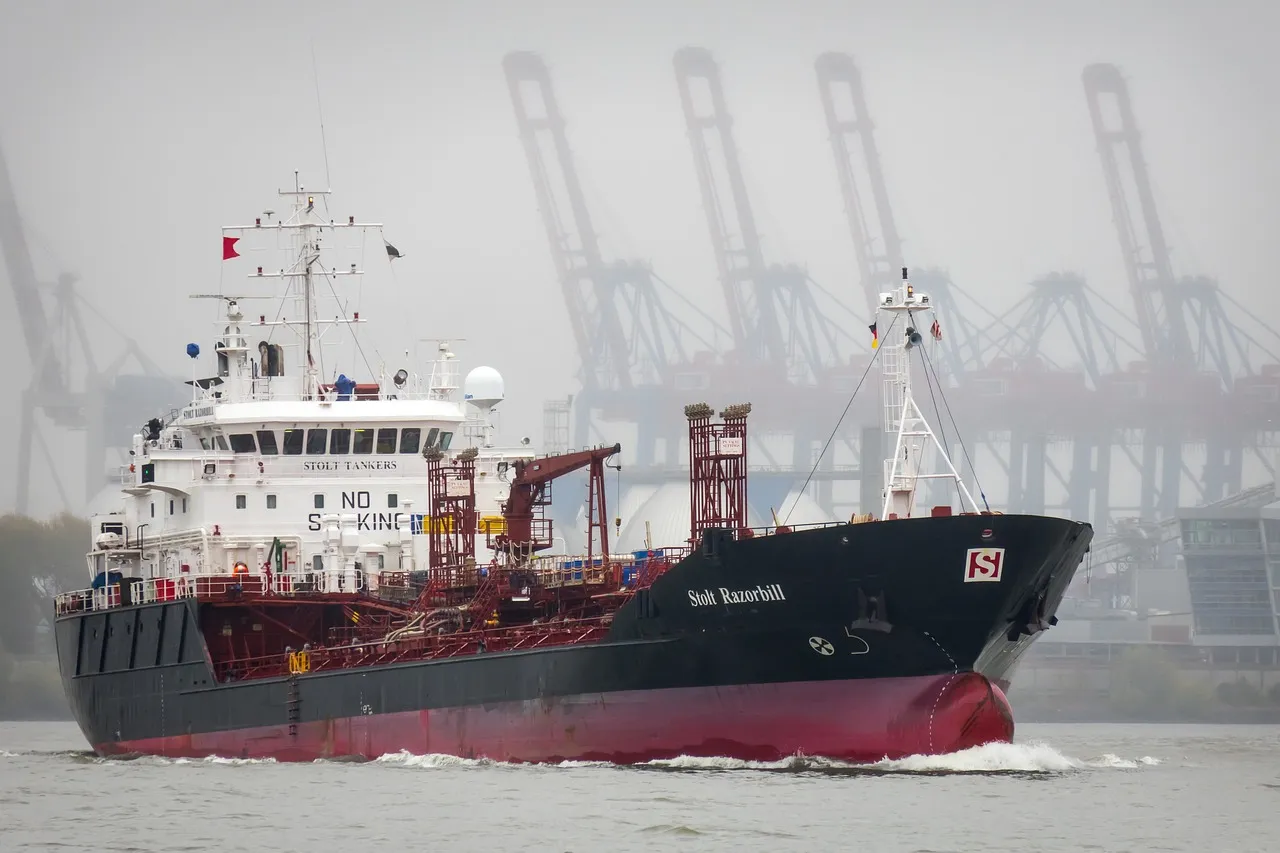
General import and export goods refer to those for which all applicable import and export taxes and fees have been paid and all necessary customs procedures have been completed at the time of entering or leaving the border. Once released by customs, these goods are no longer subject to supervision and can directly enter the production and consumption fields for circulation. General import and export customs declaration is the process of truthfully declaring the commodity information, value, quantity, and other details of such goods to customs and completing the relevant entry and exit procedures.
For instance, a foreign trade company imports a batch of electronic products from abroad. After paying customs duties, value-added tax, and other taxes, and passing various customs inspections, these goods can be freely sold in the domestic market. The customs declaration process for these goods falls under general import and export customs declaration.
Detailed Process of General Import and Export Customs Declaration
- Declaration: The consignor or consignee of import and export goods, or their agent, shall declare to customs in electronic and paper forms within the prescribed time. Accurate commercial invoices, packing lists, bills of lading, and other documents must be provided during declaration, and all information about the goods must be truthfully filled in.
- Inspection: Customs will decide whether to inspect the goods based on their nature. Inspection aims to verify the conformity of the actual situation of the goods with the declared content, including the type, specifications, quantity, and value of the goods. Inspection methods include thorough inspection and random checks.
- Taxation: Customs shall levy customs duties, value-added tax, and other taxes and fees on import and export goods in accordance with relevant laws and regulations. Enterprises must pay taxes and fees promptly as required to ensure the smooth clearance of goods.
- Release: After completing the declaration, inspection, and taxation stages, customs will release the goods that meet the requirements, allowing them to enter the domestic market or be loaded for export.
Precautions for General Import and Export Customs Declaration
Firstly, ensure that the declared information is accurate and correct. Any false declaration may lead to serious consequences, such as customs fines, detention of goods, or even legal liability. Secondly, the submitted documents must be complete and compliant. Different goods may require specific supporting documents; for example, imported food requires a sanitary certificate, and enterprises should prepare these in advance. Furthermore, it is essential to stay informed about changes in customs policies. Customs policies are adjusted based on international trade situations and national industrial policies. Timely understanding of these changes can prevent clearance obstacles caused by unfamiliarity with policies.
Significance of General Import and Export Customs Declaration
Standardized general import and export customs declaration holds significant importance for both enterprises and the nation. For enterprises, accurate and efficient customs declaration ensures timely clearance of goods, reduces logistics costs, increases capital turnover rate, and enhances competitiveness. At the national level, it aids customs supervision, upholds national trade order, guarantees national tax revenue, and promotes the healthy development of international trade.
In summary, general import and export customs declaration is an indispensable link in the international trade chain. Only by deeply understanding and strictly adhering to relevant regulations can enterprises navigate the tides of global trade smoothly. We hope that all import and export enterprises will pay close attention to general import and export customs declaration to make the trade path smoother. We also welcome everyone to share their experiences and stories in the comment section.

Recent Comments (0) 0
Leave a Reply