When Mr. Gong first saw the exquisitely packaged Vietnamese durian cakes on a Nanning supermarket shelf, he never imagined it concealed a multi-billion dollar market. As a bridge connecting China and ASEAN, Guangxi is quietly becoming a new hotbed for imported food trade. Today, let's lift the mysterious veil of Guangxi's food agency import industry.
Why Choose Guangxi for Imported Food Agency?
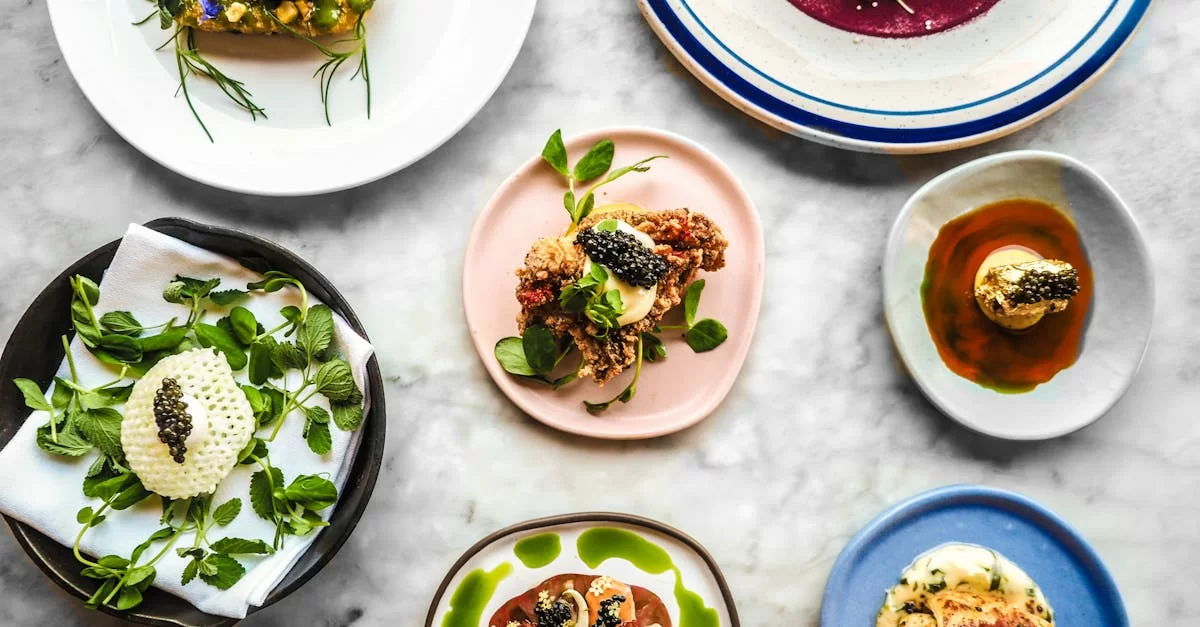
Guangxi's unique geographical advantage makes it the preferred gateway for ASEAN food entering the Chinese market. Data from 2023 shows that ASEAN food imported through Guangxi ports increased by 37% year-on-year, with casual snacks, tropical fruits, and specialty condiments taking the top three spots. Compared to other regions, Guangxi agents enjoy three core advantages:
- Logistics Cost Advantage: Intermodal transport saves 20% of transit time compared to pure sea transport.
- Customs Clearance Efficiency Advantage: ASEAN fresh products can achieve rapid customs clearance in 6 hours.
- Policy Support Advantage: Enjoy preferential tariff policies of the China-ASEAN Free Trade Area.
Five Key Points Every Beginner Must Know
Mr. Gong, who entered the industry just last year, almost suffered heavy losses due to her lack of understanding of the rules. Through field research, we have summarized the five most common "traps" encountered by practitioners:
- Failure to complete the import food consignee filing in advance.
- Ignoring the differences between Chinese and foreign food additive standards.
- Choosing logistics companies that lack cold chain qualifications.
- Underestimating the professional requirements for Chinese label production.
- Insufficient understanding of the food certification systems in various ASEAN countries.
Case Study: The Road to Success for Thai Coconut Water
When a brand of Thai coconut water entered the Chinese market through Guangxi agents, it underwent a complete localization process:
- Adjusted sterilization process parameters according to Chinese standards.
- Redesigned packaging to meet Chinese aesthetic preferences.
- Developed compound flavors such as "coconut water + passion fruit."
- Established a digital traceability system for direct sourcing from Nanning to Bangkok.
This case proves that simple product transportation can no longer meet market demands; successful agents need product redevelopment capabilities.
Three Major Trends in Industry Development Over the Next Three Years
With the continuous release of RCEP policy dividends, industry experts predict:
- The share of emerging origins such as Myanmar and Laos will increase.
- The demand for Halal food certification will grow rapidly.
- Cross-border e-commerce and general trade models will accelerate integration.
Are You Ready to Seize This Wave of Dividends?
As the aroma of Vietnamese coffee beans drifts into Chinese offices, and Malaysian Musang King becomes a bestseller in live streaming rooms, food import is no longer the exclusive domain of large enterprises. Whether you are a brick-and-mortar store owner looking for differentiated products or a trading company planning to transform, now is the golden window period to enter the Guangxi market. What kind of ASEAN food are you most eager to import? Share your insights in the comment section, perhaps the next success story will come from your inspiration.

Recent Comments (0) 0
Leave a Reply