Late at night by the Pearl River, Mr. Bai swirled his wine glass, watching the amber liquid flow under the lights. "The first batch of French Bordeaux I agented three years ago now has a customer repurchase rate of over 70%," he said with a smile to his partner. Such stories are constantly unfolding in Guangzhou – as one of China's top three cities in imported red wine consumption, it generates an agency market of over 2 billion yuan annually. But what kind of agency model can stand out in this red ocean?
Why Has Guangzhou Become a Bridgehead for Imported Red Wine?
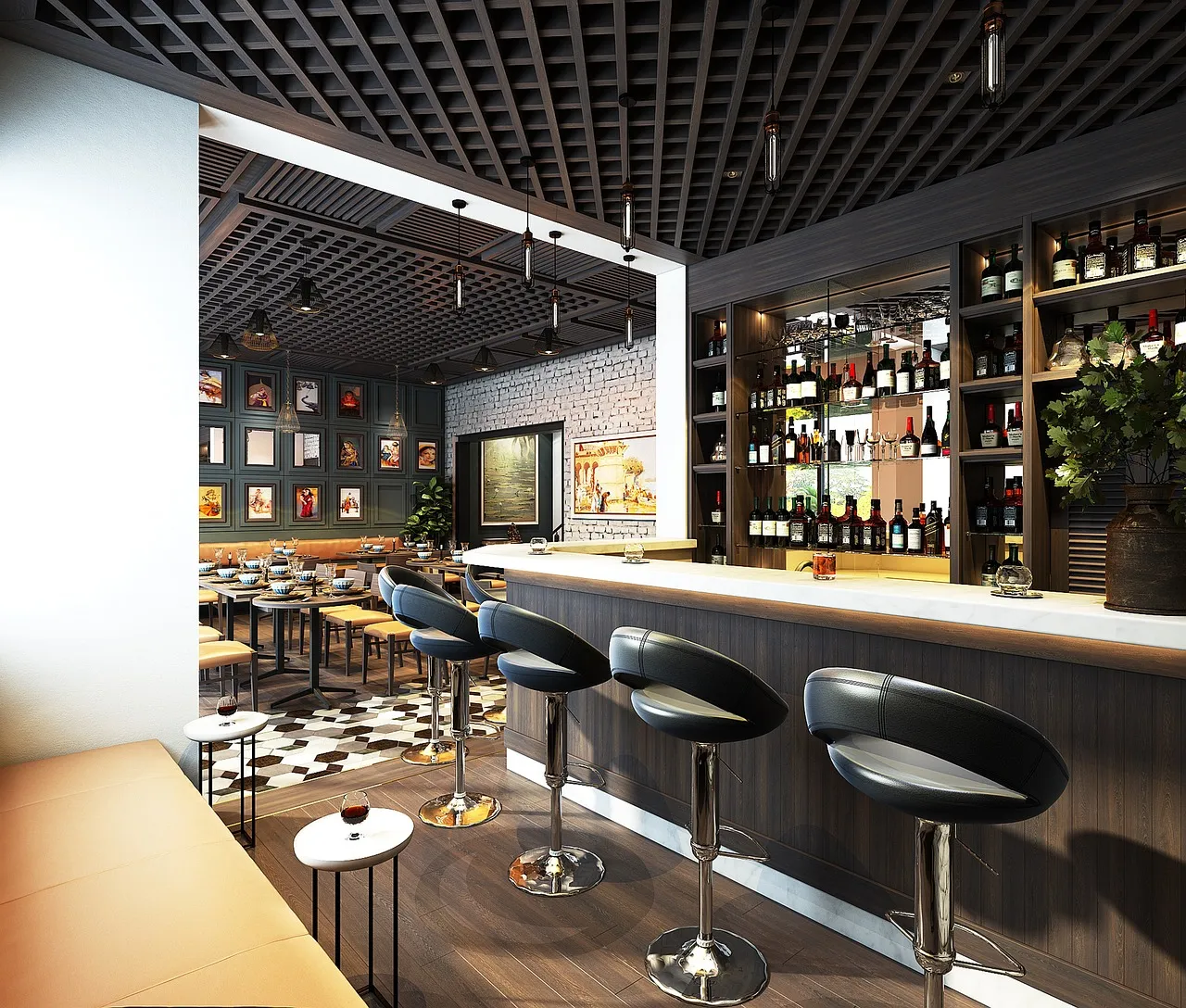
Guangzhou Customs data shows that red wine entering China through Nansha Port increased by 23% in 2022, with the proportion of **high-end and premium products exceeding 40% for the first time**. Behind this explosive growth are three key factors:
- The 1-hour logistics circle of the Guangdong-Hong Kong-Macao Greater Bay Area, with bonded warehouse costs 30% lower than inland areas.
- A mature catering channel network, with the number of Michelin-starred restaurants second only to Shanghai.
- The ability of local consumers to discern tannin levels, making it easier for quality wines to enter the market.
Three Fatal Misconceptions in Agency Models
"My warehouse is piled with 300 cases of 2015 Napa Valley Cabernet Sauvignon, a 'star product' I agented for 600,000 yuan," Mr. Bai said, shaking her head with a bitter smile. "Everyone said American wine was going to be popular then." Through research by professional organizations like Zhongmaoda, we found that common mistakes made by newcomers include:
- Blindly pursuing "internet-famous regions" while ignoring local consumption habits.
- Using the inventory-pushing mindset of baijiu for red wine turnover.
- Over-reliance on a single channel (e.g., only doing group purchasing).
Four Golden Keys to Breaking the Dilemma
Mr. Chen, who operates five chain wine cellars in Tianhe, shared their successful experience: "We agent no more than 15 SKUs annually, but we make each one deeply resonate with its scenario." Specific strategies include:
- Establishing a "3+3" product matrix: 3 traffic-driving bestsellers + 3 profit-driven products + 3 image-building products.
- Developing custom wine label services for catering to enhance channel loyalty.
- Implementing full-process traceability with blockchain technology to address the pain point of counterfeits.
- Hosting blind tasting sessions monthly to cultivate consumer palates.
Opportunity Window in the Next Three Years
With the gradual reduction of RCEP tariffs, cost advantages for regions like Chile and Australia will become even more apparent. Professional institutions predict that by 2025, Guangzhou will see:
- Explosive growth in the 200-300 yuan price segment.
- A doubling of market share for organic wines.
- A combination of community wine cellars and online express delivery services.
As the lights of Pazhou illuminate again, perhaps your wine cabinet holds the next market blockbuster. Feel free to leave your most recent stunning wine discovery in the comments section, and let's decode the taste of Guangzhou's red wine market together.

Recent Comments (0) 0
Leave a Reply