Mr. Niu stared at the bank transfer records on the computer screen, cold sweat beading on his forehead — 3 million in payment for goods had been transferred to the overseas supplier two weeks ago, but the logistics information still showed "pending shipment." This is not a movie plot, but a real "capital black hole" that occurs in agency import payments. When cross-border trade encounters complex payment chains, how can you ensure that neither your money nor your goods "go missing"?
The Essential Logic of Agency Import Payments
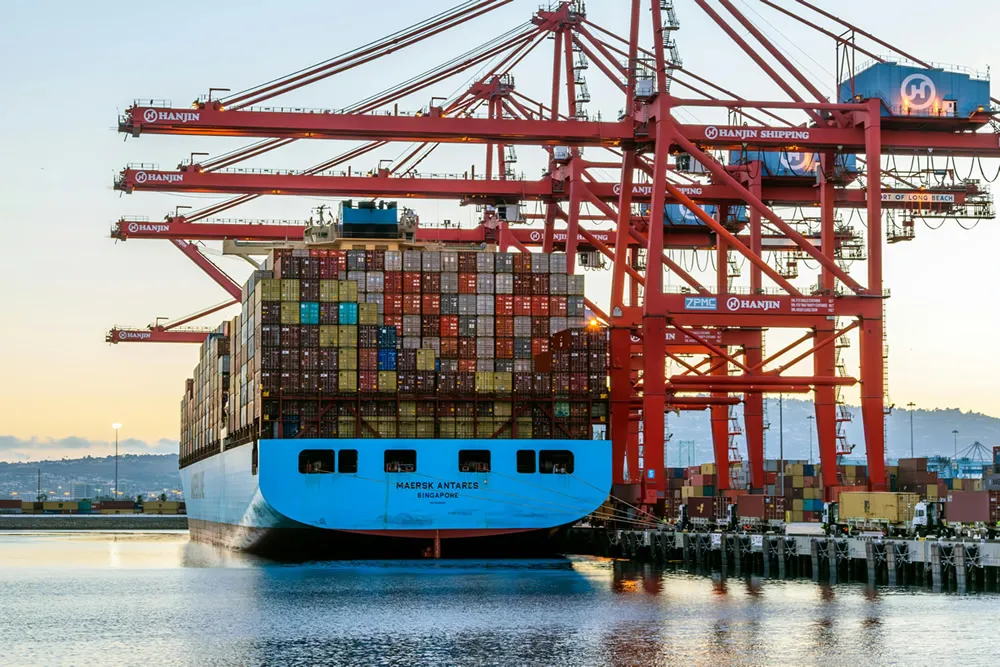
Unlike traditional domestic procurement, agency import payment involves a triple game of capital flow, goods flow, and document flow:
- Capital flow: Domestic buyer → Agency company → Overseas supplier
- Goods flow: Overseas factory → International transport → Customs clearance → Domestic warehouse
- Document chain: Proforma Invoice → Bill of Lading → Quality Inspection Report → Tax Payment Certificate
Mr. Niu apparel import business once incurred exorbitant demurrage fees due to neglecting the "payment to release Bill of Lading" clause, resulting in her goods being held up at the port of destination. Agency payment is not a simple "proxy transfer," but rather a precise system of credit endorsement and risk control.
Payment Minefields 90% of Businesses Have Stepped On
Trap One: The Fatal Allure of TT Full Advance Payment
"30% deposit + 70% payment upon sight of Bill of Lading copy" is standard industry practice, but some agents, to win clients, promise "3% discount for 100% advance payment." When an electronic component importer, tempted by the discount, paid in full, what they received were adulterated goods.
Trap Two: Soft Clause Traps in Letters of Credit
Soft clauses in Letters of Credit, such as "inspection required by buyer's designated personnel," caused Mr. Wang's food import to be maliciously delayed during the inspection phase, ultimately resulting in the loss of both goods and payment due to the Letter of Credit expiring.
Trap Three: Hidden Charging Points in Agency Fees
A seemingly 3% agency fee may actually include:
- Exchange rate loss (agent settles at a fixed exchange rate)
- Bank handling fees (large payments split into multiple smaller charges)
- Interest on occupied funds (time difference between payment and document redemption)
Zhongmaoda's Practical Solutions
In the process of serving over 300 import enterprises, we found that secure payment must build a "four-dimensional firewall":
- Fund supervision: Achieving "payment freeze → inspection passed → release payment" through a third-party account
- Document closed-loop: Ensuring simultaneous circulation of Bill of Lading, Certificate of Origin, and Quality Inspection Report
- Payment term matching: Designing tiered payment ratios based on goods turnover cycle
- Risk hedging: Locking in exchange rate costs using forward foreign exchange settlement and sales
Your Payment Method Needs an Upgrade
When you ask your agent for the fifth time, "Where are the goods?", it might be time to re-examine the entire payment chain. Competition in import trade has long evolved from "who can find suppliers" to "who can control transaction risks." Please share the payment challenges you've encountered in the comments section — next time, we will reveal a guide to avoiding pitfalls with Letters of Credit in agency imports.

Recent Comments (0) 0
Leave a Reply