When Mr. Xie received the quotation from his overseas supplier last month, he thought he had misread the numbers – ocean freight costs had increased by a full 300% compared to the same period last year. This is not an isolated incident; under the volatility of global supply chains, the import agent industry is facing unprecedented freight challenges. This article will demystify the "black box" of freight costs and help you find a way forward.
The Three Major Drivers of Soaring Freight Rates
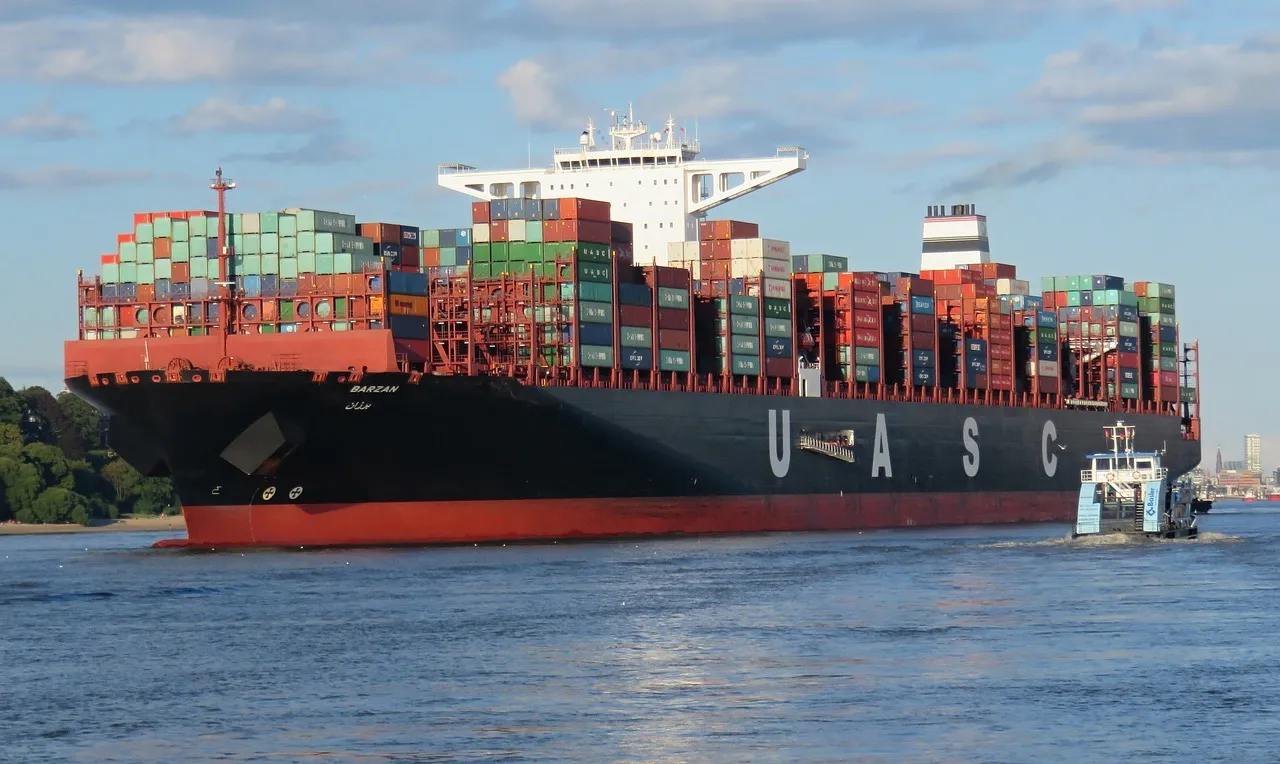
According to the latest industry report from Zhongmaoda, international freight rates in 2023 have experienced "rollercoaster-like" fluctuations:
- Surging Fuel Surcharges: Geopolitical tensions in the Middle East have led to crude oil price volatility, causing shipping companies to frequently adjust their BAF (Bunker Adjustment Factor) coefficients.
- Container Imbalance: Congestion at ports in Europe and the Americas has delayed the return of empty containers, resulting in a shortage of container supply in Asian regions.
- Peak Season Surcharges: Before the Q4 shopping season, some routes imposed Peak Season Surcharges (PSS) of up to $2,000 per container.
The "Value Oasis" of Agent Services
Mr. Xie cross-border e-commerce project, which was once losing money due to direct shipping, later achieved profitability through import agents:
- Consolidation services reduced per-unit costs by 35%.
- Bonded warehouse transshipment avoided peak season congestion.
- Tariff planning saved 12% on customs clearance fees.
Zhongmaoda experts point out, "The economies of scale offered by professional agents can offset 30%-50% of freight rate increases, a bargaining advantage that individual shippers cannot achieve."
Four Strategies to Cope with Freight Volatility
1. Dynamic Comparison Mechanism: It is recommended to compare air freight, sea freight, and China-Europe freight train combinations monthly. For example, electronic products can switch to a "sea freight + bonded warehouse" model to buffer transit times.
2. Contract Clause Optimization: Clearly define the "freight rate fluctuation adjustment trigger points" in agency agreements to avoid unexpected cost transfers.
3. Data-Driven Early Warning System: By accessing the Zhongmaoda shipping big data platform, one can predict route price trends 14 days in advance.
4. Supply Chain Reshaping: Consider shifting some procurement to nearshore markets in Southeast Asia to shorten transportation radii.
The Future Belongs to Resilient Supply Chains
When freight rates become an uncontrollable variable, businesses need to establish "volatility-resistant" systems even more. Have you calculated: if freight rates increase by another 20%, how much of your profit margin will remain? Welcome to share your coping strategies in the comments section, or send a private message to get the full version of the 2024 Import Logistics Cost White Paper.

Recent Comments (0) 0
Leave a Reply