On the international trade stage, export tax rebate policies are like a strong easterly wind, helping businesses set sail. However, for many enterprises, handling export tax rebate procedures independently is like fumbling in a complex maze, fraught with difficulties. Therefore, seeking assistance from professional agencies has become the choice for many businesses. Today, let us delve deeply into the fee standards for agent export tax rebates.
Factors Affecting Agent Export Tax Rebate Fees
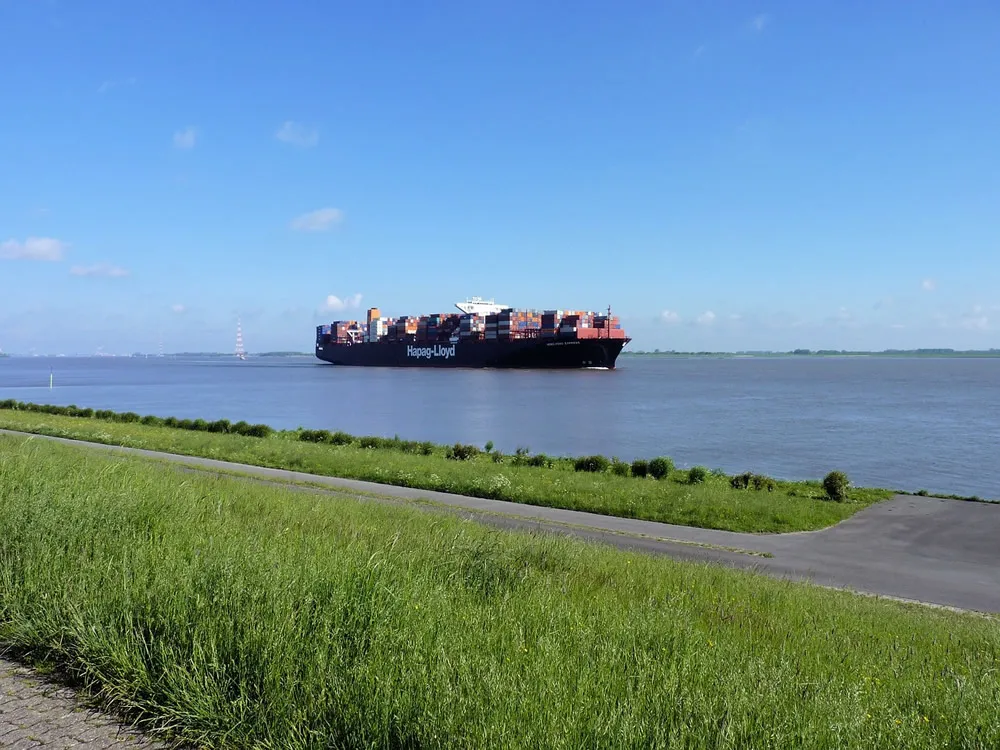
Firstly, the scale of a company's export business is one of the key factors. If a company has a large export volume and a high tax rebate amount involved, the workload and risks undertaken by the agency will correspondingly increase, and the fees will naturally rise. For example, a large manufacturing enterprise with monthly exports reaching millions of US dollars will typically incur higher fees from an agency compared to a small enterprise with export sales of only tens of thousands of US dollars.
Secondly, the type of exported products also affects the fees. For some special products, such as those involving special regulatory conditions or high technical content, more professional knowledge and complex procedures are required for export tax rebate processing, leading to higher agency fees.
Furthermore, the economic development level of the region where the company is located and the local market competition will also influence the fee standards. In economically developed regions with active foreign trade, there are more agencies and fierce competition, so fees may be relatively lower; in less developed regions, there are fewer agencies, and fees may be higher.
Common Fee Models
Currently, there are mainly two fee models for agent export tax rebates. The first is to charge a certain percentage of the tax rebate amount. For example, agencies charge fees at a rate of 3% - 8% of the tax rebate amount. Under this model, the higher the tax rebate amount, the more fees the enterprise pays to the agency. For instance, if the tax rebate amount is 1 million yuan, and the fee is charged at a rate of 5%, the enterprise needs to pay 50,000 yuan in agency fees.
The second model is to charge per export transaction. Generally, each transaction fee ranges from 1000 to 5000 yuan. This model is suitable for enterprises with frequent export transactions but relatively stable tax rebate amounts per transaction. For enterprises with a large volume of export transactions and many individual deals, charging per transaction may be more cost-effective; whereas for enterprises with fewer export transactions but high tax rebate amounts, charging by percentage may be more appropriate.
How to Choose a Suitable Agency and Fee Standard
When choosing an agency, enterprises should not solely focus on the cost. They should comprehensively consider the agency's professional capabilities, reputation, and service quality. A professional and reputable agency, although it may charge relatively higher fees, can ensure that export tax rebate procedures are handled efficiently and accurately, avoiding losses for the enterprise due to operational errors.
Enterprises can assess the service quality by reviewing the agency's success cases and customer feedback. At the same time, it is important to communicate fully with the agency to understand the specific services included in their fees, ensuring a clear consensus between both parties on the scope of services and fee standards.
In conclusion, when seeking agent export tax rebate services, enterprises should fully understand the fee standards and influencing factors, weigh the pros and cons, and make informed decisions, allowing agent export tax rebates to truly become a booster for enterprise development rather than a burden. We hope that this article will help enterprises avoid detours in this important matter and better conduct international trade business.

Recent Comments (0) 0
Leave a Reply