When Mr. Gao first received an inquiry email from an overseas client, he realized the significant demand for his products abroad. However, as he excitedly prepared to sign the contract, he was stumped by a single question: his company lacked import and export trade rights. What hidden complexities lie within this seemingly simple qualification? Today, we will unveil the mystery surrounding a company's import and export trade rights.
What are Import and Export Trade Rights?

Simply put, import and export trade rights are a company's legal qualification to engage in import and export business. Possessing this right means a company can directly sign contracts with overseas clients, handle customs declaration, and manage foreign exchange settlements. It's important to note that since the revision of the Foreign Trade Law in 2004, China has fully liberalized foreign trade operation rights, and any company can apply, with no prior restrictions on registered capital or annual sales revenue.
- Direct Trade: Set your own prices for greater profit margins.
- Brand Building: Control end customers and enhance international influence.
- Tax Optimization: Benefit from policies such as export tax refunds.
Detailed Application Process
Mr. Gao Zhongmaoda company successfully obtained import and export rights last year. She shared her practical experience:
- Step 1: Add business scope to the business license, including "import and export of goods" or "import and export of technology."
- Step 2: Customs filing, to obtain a 10-digit customs code.
- Step 3: Registration with the State Administration of Foreign Exchange, to open foreign currency accounts.
- Step 4: Electronic Port Card, for customs declaration operations.
The entire process takes approximately 15-20 working days. It is recommended to engage a professional agency for assistance.
Common Pitfalls to Avoid
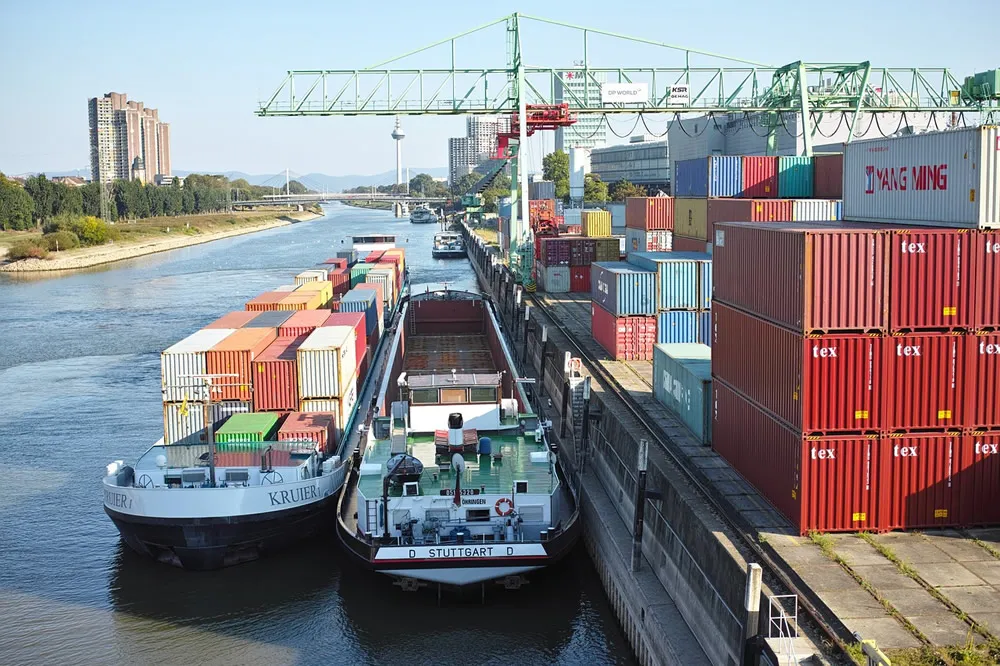
Many companies fall into three cognitive traps:
- Pitfall 1: "Apply only when there's an order" - Unexpected orders can lead to incomplete qualifications and missed business opportunities.
- Pitfall 2: "Small companies don't need it" - New business models like cross-border e-commerce mean small and micro-enterprises also need these rights.
- Pitfall 3: "Once obtained, all is settled" - Subsequent management of export tax refunds, certificates of origin, etc., is still crucial.
Zhongmaoda's Practical Advice
Based on our experience serving thousands of companies, we've summarized three golden rules:
Proactive Planning: Consider import and export needs at the time of company formation to avoid cumbersome post-establishment changes.
Dynamic Management: Stay updated on advanced services like Customs AEO certification to enhance trade facilitation.
Ecosystem Building: Establish stable partnerships with freight forwarders and customs brokers to reduce operational costs.
When Should Your Company Act?
When the following signals appear, it's the optimal time to apply for import and export rights: receiving overseas inquiries, suppliers requiring self-operated export, planning to attend international exhibitions, considering cross-border e-commerce... In the wave of globalization, trade rights are not an option, but a standard feature.
Now, take a moment to check your computer: does your business license scope include the words "import and export"? If not, it might be time to take action. We welcome you to share your foreign trade stories or questions in the comment section, and the Zhongmaoda expert team will select and answer typical inquiries.

Recent Comments (0) 0
Leave a Reply