On the stage of fashion, high-end apparel always captivates attention with its exquisite craftsmanship and unique designs. However, when these fashion treasures from around the world cross borders and reach consumers, import tariffs, this 'behind-the-scenes player,' play a crucial role. Today, let's together unveil the mystery of high-end apparel import tariffs.
How Tariffs Affect High-End Apparel Prices
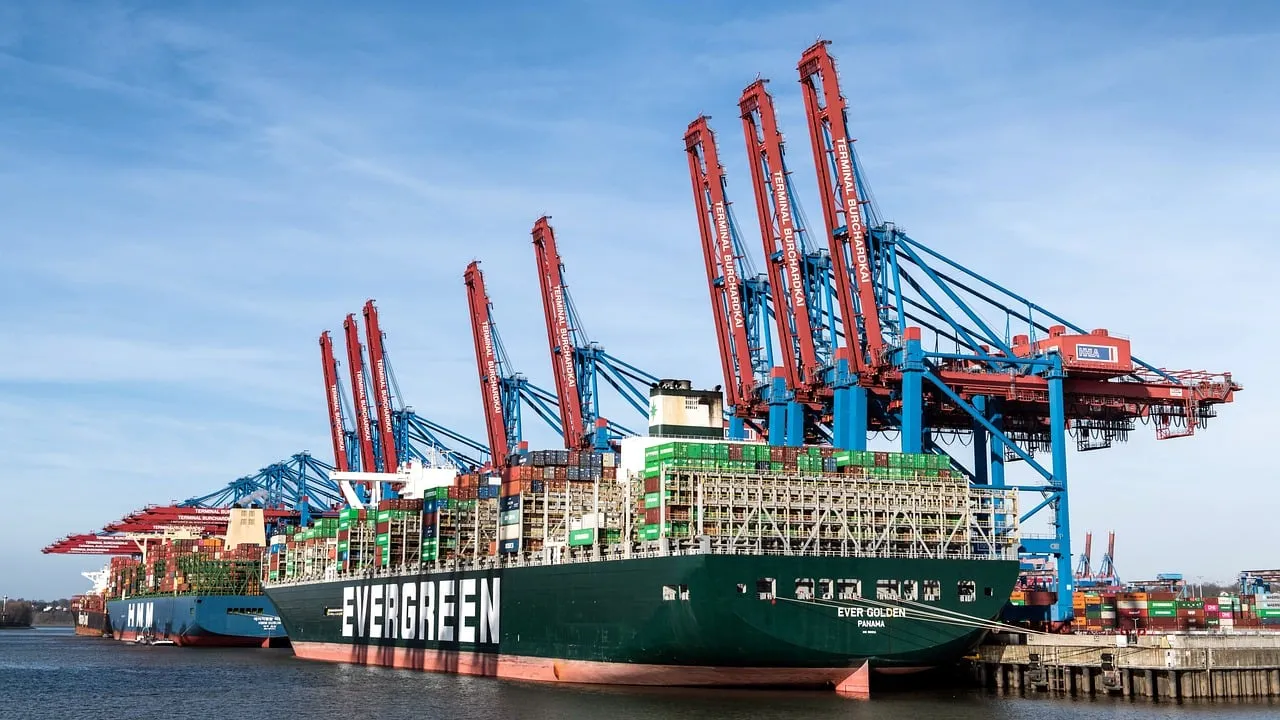
Import tariffs are like a 'price adjustment gate.' When a piece of high-end apparel travels across the ocean to enter a country, tariffs directly increase its cost. Taking a $1000 Italian custom-made suit as an example, if the import tariff rate is 25%, an additional $250 would be paid for the tariff portion alone. These increased costs are often ultimately passed on to consumers. For consumers pursuing high-end fashion, the purchase price can significantly increase.
For brands, the level of tariffs affects pricing strategies. If tariffs are too high, brands may choose to increase retail prices to maintain profits. However, this could deter some price-sensitive consumers. Conversely, if tariffs are lowered, brands can appropriately reduce prices to attract more consumers and expand market share.
Tariff Policies and Industry Landscape
From a macroscopic perspective, import tariff policies have a profound impact on the domestic apparel industry landscape. Higher tariffs can protect the domestic high-end apparel industry from excessive impact. Under the protection of tariff barriers, domestic brands have more time and space to develop their own design and craftsmanship, gradually forming competitive local high-end brands.
However, excessively high tariffs can also bring some negative effects. They can restrict the inflow of international fashion resources, making it difficult for the domestic fashion industry to quickly absorb advanced international concepts and technologies. A moderate reduction in tariffs can promote exchange and competition between international and domestic brands. Domestic brands can learn from international brands' operational experience and design techniques, thereby promoting the upgrading of the entire industry.
How Consumers Can Respond
As consumers, understanding high-end apparel import tariffs enables more rational consumption. During periods of higher tariffs, consumers can pay attention to emerging domestic high-end brands, supporting the development of the local fashion industry, and potentially discovering more cost-effective options. Furthermore, they can also look into special channels like duty-free shops, where goods might avoid high tariffs due to special policies, leading to more accessible prices.
At the same time, consumers can also encourage more robust market competition through rational consumption behaviors. When market demand diversifies, brands will optimize product quality, pricing, and other aspects to attract consumers, ultimately benefiting them.
High-end apparel import tariffs are a complex yet intriguing topic, involving consumers, brands, and the entire apparel industry. In the future, with changes in the international trade environment and adjustments to domestic policies, high-end apparel import tariffs may also change. We anticipate a market environment that both fosters the development of domestic industries and allows consumers to enjoy more fashion choices. Let us collectively pay attention and actively participate in the development of the fashion industry.

Recent Comments (0) 0
Leave a Reply