On the grand stage of global trade, Hong Kong's re-export trade has always been a focal point. With its advantageous geographical location, free trade policies, and numerous other strengths, it once held a significant position in the international trade arena. However, today, let us take a different perspective to delve into the disadvantages of Hong Kong's re-export trade, which may offer a more comprehensive understanding.
I. Intensifying Competition
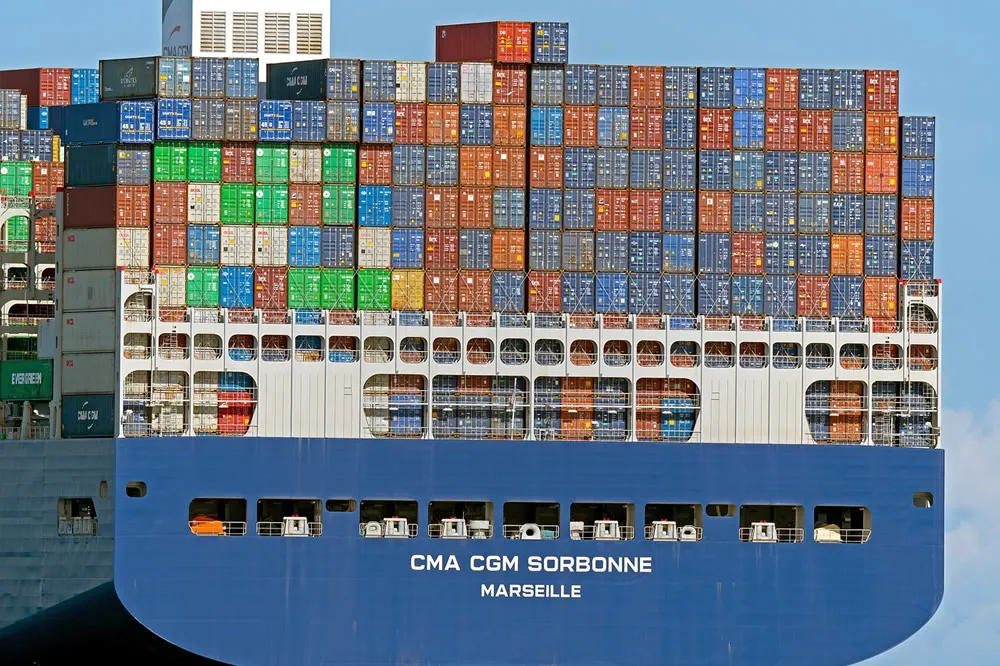
As the global economic landscape continuously evolves, Hong Kong's re-export trade is facing increasingly fierce competition. Many surrounding regions are vigorously developing their own trade businesses, constantly improving infrastructure and optimizing trade policies. For instance, some Southeast Asian countries, with their lower labor costs, have attracted many manufacturing orders that might have previously been re-exported through Hong Kong. These countries have established closer trade ties directly with production sites, eliminating the need for re-export via Hong Kong and thus diverting some trade volume.
Moreover, in the era of digital trade, various emerging trade platforms and e-commerce models are continuously appearing. They break down many limitations of traditional trade, enabling more efficient connections between buyers and sellers. In contrast, if Hong Kong's re-export trade cannot keep pace with digitalization in a timely manner, it may gradually fall into a disadvantageous position in the competition.
II. Relatively High Logistics Costs
While Hong Kong's geographical location is advantageous, this does not necessarily translate to an advantage in logistics costs. Hong Kong's high land prices directly lead to a significant increase in warehousing costs. For re-export trade, cargo warehousing is a crucial link, and high warehousing expenses undoubtedly increase trade costs.
Furthermore, although Hong Kong's transportation is well-developed, due to limited urban space, logistics and transportation may also experience congestion during peak periods, affecting the efficiency of cargo transshipment. This, in turn, can lead to additional expenses, such as demurrage fees. The combination of these factors makes Hong Kong's re-export trade logistics costs relatively high, weakening its competitiveness in price-sensitive trade activities to some extent.
III. High Dependence on External Environment
The development of Hong Kong's re-export trade is closely linked to the global economic situation and the economic conditions of its major trading partners. When the global economy experiences a recession or major trading partners' economies decline, Hong Kong's re-export trade is often significantly impacted. For example, during a global economic crisis, as demand in major markets like Europe and the United States sharply declined, the volume of goods re-exported through Hong Kong dropped significantly. Many companies engaged in re-export trade faced reduced orders and inventory backlog.
Moreover, changes in trade policies can also have a major impact on Hong Kong's re-export trade. If trade relations between major trading countries become tense and various trade barrier measures are introduced, Hong Kong, as a re-export hub, will face numerous restrictions in its business operations, and trade volume is likely to fluctuate as a result.
Conclusion: Re-evaluation and Response to Challenges
Understanding these disadvantages of Hong Kong's re-export trade is not meant to negate its past glory and important status, but rather to encourage us to view it from a more objective and comprehensive perspective. Whether you are involved in related trade businesses or are friends concerned with economic development, we should all consider how to find new development opportunities while facing these disadvantages and promote Hong Kong's re-export trade to better adapt to the changes of the times. This might be achieved through further optimizing the logistics system, strengthening digital transformation, or expanding diversified trade markets, among other initiatives. What are your thoughts on the future development of Hong Kong's re-export trade? Let's discuss.

Recent Comments (0) 0
Leave a Reply