In the complex landscape of international trade, re-export trade occupies a unique position. For companies engaged in re-export trade, SAFE's requirements regarding re-export trade amounts are crucial. Today, let's have a good discussion on this topic to provide everyone with a clearer understanding.
I. Basic Concepts of Re-export Trade
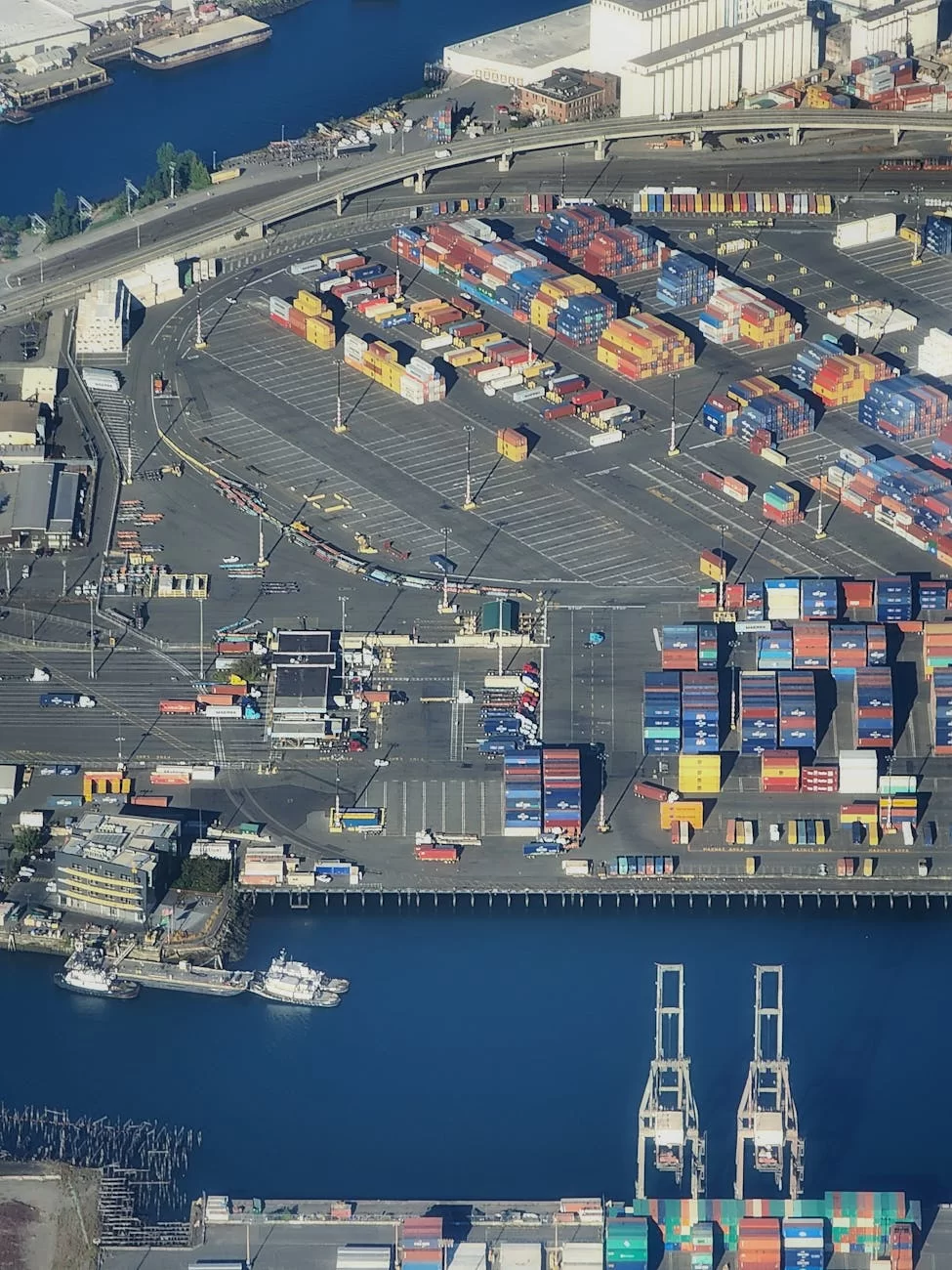
First, we need to clarify what re-export trade is. Simply put, re-export trade means that a company purchases goods from one country or region and then sells them to another country or region without substantial processing. For example, Zhongmaoda Company purchases a batch of special handicrafts from Country A and then sells them to a customer in Country B without any changes. This is a typical re-export trade. It plays an important role in promoting the circulation of goods between countries and exploiting price differences in different regional markets.
II. Why Does SAFE Require Re-export Trade Amounts?
Key Point: SAFE requires re-export trade amounts primarily for regulatory purposes and to maintain financial order.
- On one hand, by regulating amounts, the flow of trade funds can be better tracked. This is like drawing a clear roadmap for the flow of trade funds, which can effectively prevent abnormal capital movements, such as money laundering and other illegal or irregular activities. Without amount requirements and supervision, criminals could exploit the guise of re-export trade to freely move large sums of money, disrupting the normal order of the financial market.
- On the other hand, reasonable amount requirements also help ensure the stability of the domestic trade market. If re-export trade amounts get out of control, it may impact the development of related domestic industries and affect the normal trade balance. Therefore, SAFE sets relevant amount requirements to safeguard the overall trade environment.
III. Specific Requirements of SAFE for Re-export Trade Amounts
So, what are SAFE's specific requirements for re-export trade amounts? Generally, they are determined based on factors such as different industries, commodity types, and trade scales. For example, for re-export trade of some high-value electronic products, there may be relatively strict upper limits on single transaction amounts to prevent excessive speculation. For re-export trade of ordinary daily consumer goods, the amount requirements may be relatively more relaxed, but there are still limits.
At the same time, SAFE also pays attention to the total amount of re-export trade by enterprises within a certain period. If Zhongmaoda Company's total re-export trade amount shows an abnormally large increase or decrease within a quarter, it may attract SAFE's attention, and the company will be required to provide relevant explanations and materials to ensure that trade activities are conducted normally and compliantly.
IV. How Should Enterprises Respond to SAFE's Amount Requirements?
For enterprises like Zhongmaoda engaged in re-export trade, it is essential to attach importance to and strictly comply with SAFE's amount requirements to carry out business smoothly.
- Firstly, enterprises should establish a sound internal financial management system to accurately record information such as the amount and fund flow of each re-export trade. This will enable them to quickly and accurately provide the required documents when facing SAFE inspections.
- Secondly, enterprises should closely monitor changes in relevant policies and regulations issued by SAFE. Policies are not static; with the development of international and domestic trade situations, SAFE's amount requirements may also be adjusted. Only by timely understanding these changes can enterprises adjust their business strategies in time to ensure continuous compliance.
- Finally, if enterprises do not fully understand certain amount requirements or have questions, they must consult SAFE or relevant professional institutions in a timely manner. Do not conduct business haphazardly, as problems may arise later.
Conclusion: Attach Importance to Regulations, Develop Compliantly
In summary, SAFE's re-export trade amount requirements are of great significance for the healthy development of the entire re-export trade industry. Enterprises cannot underestimate these regulations; only by strictly abiding by them can they go further and more steadily in the international market. Readers, what are your views on SAFE's requirements? Feel free to leave your comments in the comment section, and let's discuss this topic more thoroughly together!

Recent Comments (0) 0
Leave a Reply