"Mr. Mei recently wanted to expand into overseas markets, but when he inquired about export agency fees, he received quotes ranging from 30,000 to 300,000, which completely baffled him!" This is a common confusion for many foreign trade newcomers. The export agency industry appears to have a low barrier to entry, but it actually hides many intricacies. Today, we will unveil the mystery of this industry.
I. The Three Main Types of Export Agents
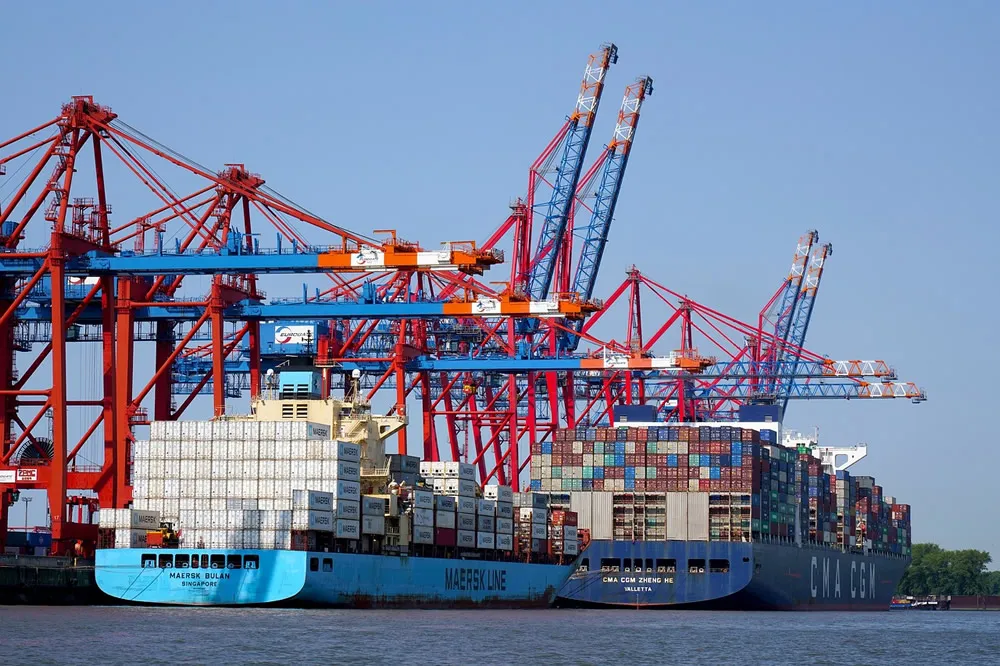
Export agency is not monolithic; based on service scope and professionalism, it is mainly divided into three categories:
- Basic Customs Clearance Type: Only provides basic services like customs declaration and logistics, suitable for standardized products, with fees usually ranging from 1%-3% of the cargo value.
- Comprehensive Service Type: Includes value-added services such as tax planning and document review. Professional organizations like Zhongmaoda often fall into this category, with fees around 3%-8%.
- Full-Chain Management Type: Involved throughout the entire process from market research to after-sales follow-up, suitable for startup companies, but fees can be as high as 10%-15%.
II. 5 Key Factors for Price Differences
Why do different agents quote prices several times apart for the same batch of goods? This is mainly influenced by:
- The complexity of the product's HS code.
- Entry barriers of the target market (e.g., EU CE certification).
- Settlement method (Letters of credit incur higher processing costs).
- Whether tax refund and other fiscal services are involved.
- The density of the agent company's overseas network coverage.
Mr. Mei lesson is very typical: She chose the agent with the lowest quote, and as a result, due to unfamiliarity with ASEAN rules of origin, she was charged high anti-dumping duties, with losses far exceeding the difference in agency fees.
III. Golden Rules for Choosing an Agent
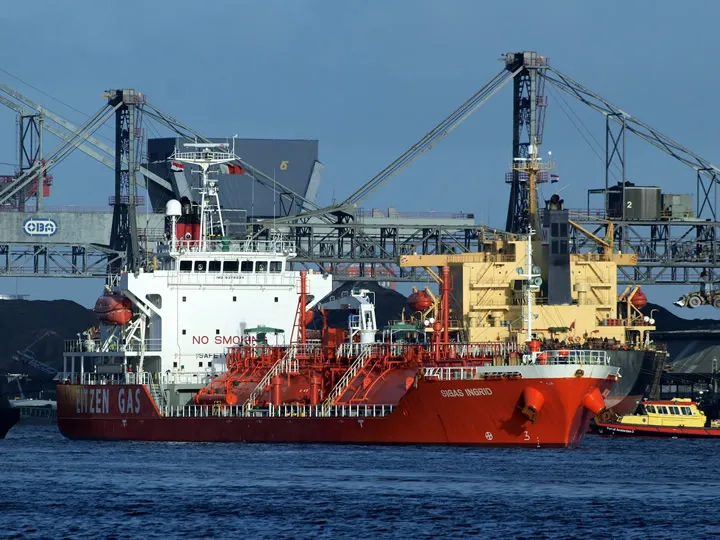
To avoid pitfalls, three core principles must be grasped:
- Check Qualifications: China Customs AEO certification and international freight forwarding qualifications are indispensable.
- Verify Cases: Request successful cases for similar product categories.
- Observe Responsiveness: Quality agents will provide solutions within 24 hours.
Special reminder: Agents claiming "100% customs clearance" are mostly unreliable; compliant companies will always alert clients to potential risks.
IV. Three Major Trends for the Industry's Future
With the implementation of agreements like RCEP, the export agency industry is undergoing profound changes:
- Digital services are becoming standard (e-customs declaration coverage has exceeded 92%).
- Specialization in niche fields (medical devices, chemicals, etc., require special qualifications).
- Service boundaries are expanding to new scenarios such as overseas warehouse operations and brand internationalization.
Next time you hear the term "export agent," we hope you no longer think of a simple middleman, but rather an indispensable professional partner in the foreign trade ecosystem. What confusions have you encountered when choosing an export agent? Welcome to share your experiences in the comment section.

Recent Comments (0) 0
Leave a Reply