On the grand stage of international trade, agency export business provides a convenient pathway for many enterprises to go global. However, for many friends new to this field, the question of how much agency export generally costs remains a persistent query. Today, let's have a good chat about this topic and unveil the mystery of agency export fees.
I. Components of Agency Export Fees
1. Basic Agency Fee
This is an important part of agency export fees. Typically, agency companies charge a certain percentage of the export goods' value as a basic agency fee, based on factors such as the value of the goods and the complexity of the business. Generally, this percentage may fluctuate around 1% - 5% of the goods' value. For instance, if Mr. Xu has a batch of goods worth 1 million RMB that need agency export, and the basic agency fee is charged at a 3% rate, then this portion of the fee would be 30,000 RMB. Of course, different agency companies may have different charging standards; it ultimately depends on the negotiated outcome between both parties and the scope of services covered by the agency company.
2. Customs Declaration and Inspection Fees
The customs declaration and inspection process is indispensable for smooth export of goods. When agency companies handle these matters, corresponding fees are incurred. Customs declaration fees are generally charged per shipment, ranging from a few hundred RMB; inspection fees vary depending on the type of goods and the requirements of inspection and quarantine. For example, for some ordinary industrial manufactured goods, inspection fees might be relatively low. If the goods are special items like food or animal and plant products, the inspection requirements are stricter, and the fees will also increase accordingly. Overall, customs declaration and inspection fees typically cost around a few thousand RMB per export transaction.
3. Transportation and Logistics Related Fees
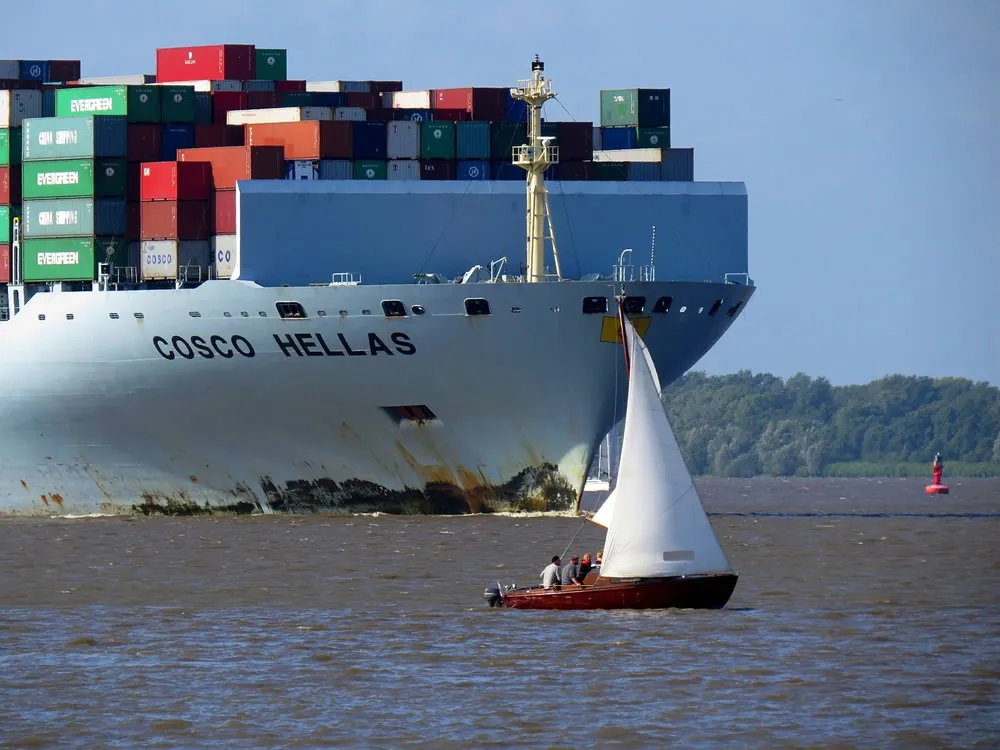
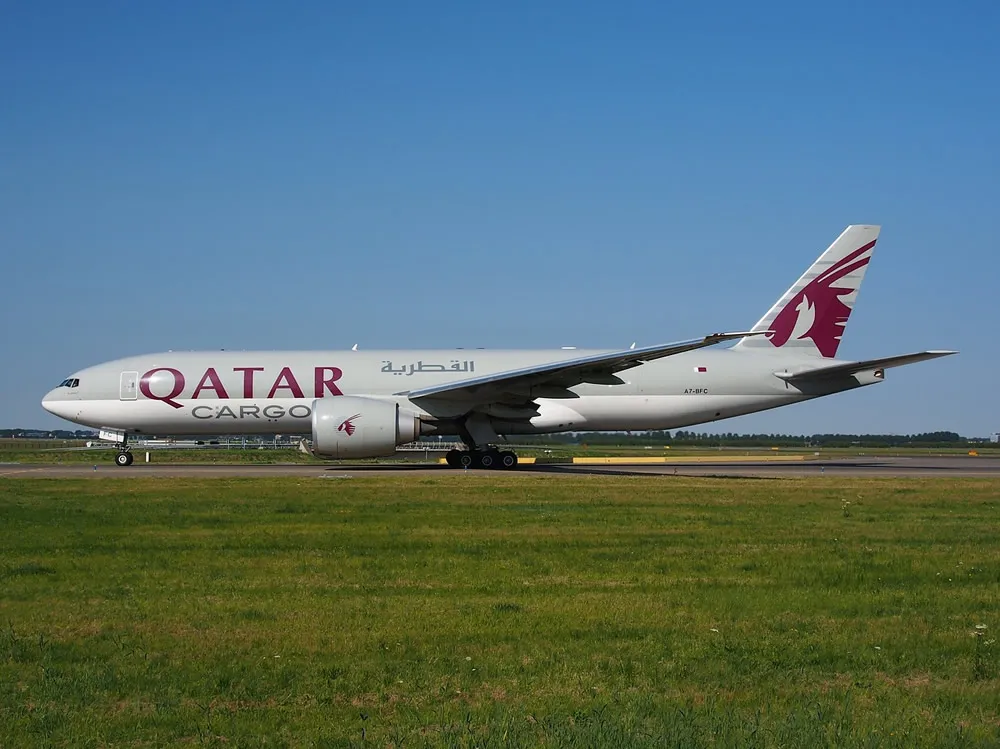
In agency export business, goods need to be transported from within China to their destination abroad. This involves the choice of transportation methods, such as sea freight, air freight, and land transportation, with significant differences in costs. Taking sea freight as an example, shipping a standard container from a coastal port in China to Europe or America might cost anywhere from a few thousand US dollars to over ten thousand US dollars, excluding other miscellaneous fees such as port handling charges and warehousing fees. If air freight is chosen, the cost will be even higher. Therefore, transportation and logistics related fees also account for a considerable portion of the total agency export fees, and they fluctuate significantly, depending on factors such as the weight and volume of the goods, the transportation distance, and the required delivery time.
II. Factors Affecting Agency Export Fees
1. Characteristics of the Goods
The characteristics of the goods, such as their type, value, weight, and volume, have a significant impact on agency export fees. As mentioned earlier, special goods like food and hazardous chemicals may require additional testing and certification procedures during customs declaration and inspection, which will undoubtedly increase the costs. Furthermore, goods with large volume and heavy weight will incur higher transportation costs. For example, Mr. Xu is exporting a batch of large machinery. Due to its large volume, it requires special transportation vehicles and loading/unloading equipment, making the transportation costs much higher than for ordinary small items.
2. Destination Market
The destination of the exported goods also affects the fees. On one hand, different countries and regions have varying tariff policies and trade barriers, which may require the agency company to assist in handling more procedures, thus increasing service costs. On the other hand, the distance of transportation directly relates to transportation costs; shipping to distant regions like Europe and America is usually much more expensive than to neighboring Asian countries.
3. Service Scope of the Agency Company
Different agency companies offer varying service scopes. Some agency companies may only handle basic customs declaration, booking, and other businesses, charging relatively lower fees. Others provide comprehensive services including market research, client matchmaking, and business negotiation. Naturally, such companies will charge higher fees. Therefore, when choosing an agency company, enterprises should weigh the relationship between service scope and fees based on their own needs.
III. How to Reasonably Control Agency Export Fees
After understanding the components and influencing factors of agency export fees, enterprises can take some measures to control costs reasonably. Firstly, when selecting an agency company, it is advisable to compare several companies, understand their fee standards and service scopes, and choose a partner that offers good value for money. Secondly, plan the packaging and transportation methods of goods in advance, try to minimize unnecessary volume and weight, and reduce transportation costs. Lastly, stay informed about policy and regulatory changes in the destination market and prepare in advance to avoid unnecessary costs due to extra procedures.
In summary, agency export fees are not a fixed number; they are influenced by a combination of multiple factors. When engaging in agency export business, enterprises should fully understand these circumstances to better control costs and maximize benefits. So, what fee-related issues have you encountered in your agency export business? All are welcome to discuss!

Recent Comments (0) 0
Leave a Reply