When the container shipped from a Dongguan warehouse to Vietnam by Mr. Lin finally appeared in American supermarkets, behind this "circuitous route to salvation" trade route lies the re-export trade code worth hundreds of billions. Today, we will use a flowchart to unveil this little-known business ecosystem.
Why Do Companies Choose Dongguan as a Re-export Stepping Stone?
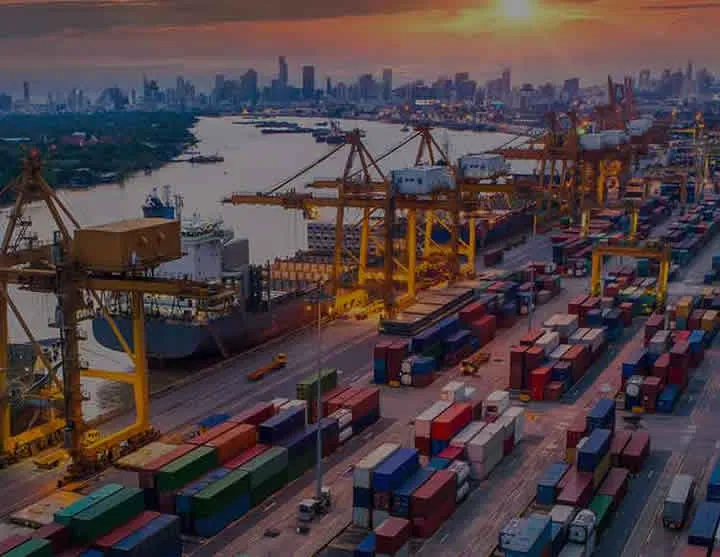
Located at the geographical center of the Guangdong-Hong Kong-Macao Greater Bay Area, Dongguan Port's container throughput has maintained double-digit growth for five consecutive years. "It's like a connecting piece in Lego bricks," Mr. Lin described the value of Dongguan's re-export trade. Through our flowchart, you can see:
- Locational Advantage: Covers three major international ports, Shenzhen Yantian/Guangzhou Nansha/Hong Kong, within 3 hours.
- Cost Haven: Warehousing costs are only 60% of those in first-tier ports.
- Policy Dividends: Combined effect of Cross-border E-commerce Pilot Zone + Bonded Logistics Center.
Deconstructing the Six-Step Re-export Trade Process
According to the customs data filing case of Zhongmaoda, the complete process is as follows:
- STEP1 Order Confirmation: Overseas buyer and domestic seller sign a tripartite agreement.
- STEP2 Bonded Entry: Goods enter Dongguan Humen Port Comprehensive Bonded Zone with temporary tariff exemption.
- STEP3 Value-added Processing: Simple processing such as labeling and repackaging.
- STEP4 Re-export Declaration: Submit documents such as certificate of origin and commercial invoice.
- STEP5 International Transit: Secondary transportation via feeder vessel or China-Europe freight train.
- STEP6 Destination Country Customs Clearance: Applicable tariff policies of the final destination.
Three Key Decision Points in the Flowchart
Our research shows that 83% of errors occur in the following stages:
Origin Determination: If clothing re-exported from Vietnam contains over 60% Chinese raw materials, the US 301 tariffs still need to be paid. It is recommended to obtain preferential tax rates through FORM A certificates.
Logistics Route Selection: For electronic products, the China-Europe freight train saves 18 days compared to sea freight, but requires booking berths 45 days in advance.
Foreign Exchange Settlement Method: Handling payments and receipts from third countries through an offshore account in Singapore can reduce the risk of exchange rate fluctuations.
How Digital Technology is Reshaping Traditional Processes?
Practices in a smart warehouse in Dongguan show:
- Blockchain traceability compresses re-export document processing time from 72 hours to 8 hours.
- AI customs system controls declaration error rates below 0.3%.
- Digital twin technology enables full-process logistics visualization.
Does Your Supply Chain Need This Flowchart?
As global trade barriers rise, re-export trade is no longer an option but a necessity. Scan the QR code at the end of the article to get the high-definition flowchart template, or leave a comment sharing your re-export challenges – perhaps the next solution lies in the experiences of other readers.

Recent Comments (0) 0
Leave a Reply