In the wave of global economic integration, international trade forms are becoming increasingly diversified. Re-export trade, with its unique advantages, has become an important channel for many enterprises to expand into international markets. Today, we will delve into topics related to Hubei Thailand re-export trade companies and uncover their mysterious veil together.
The Charm of Re-export Trade
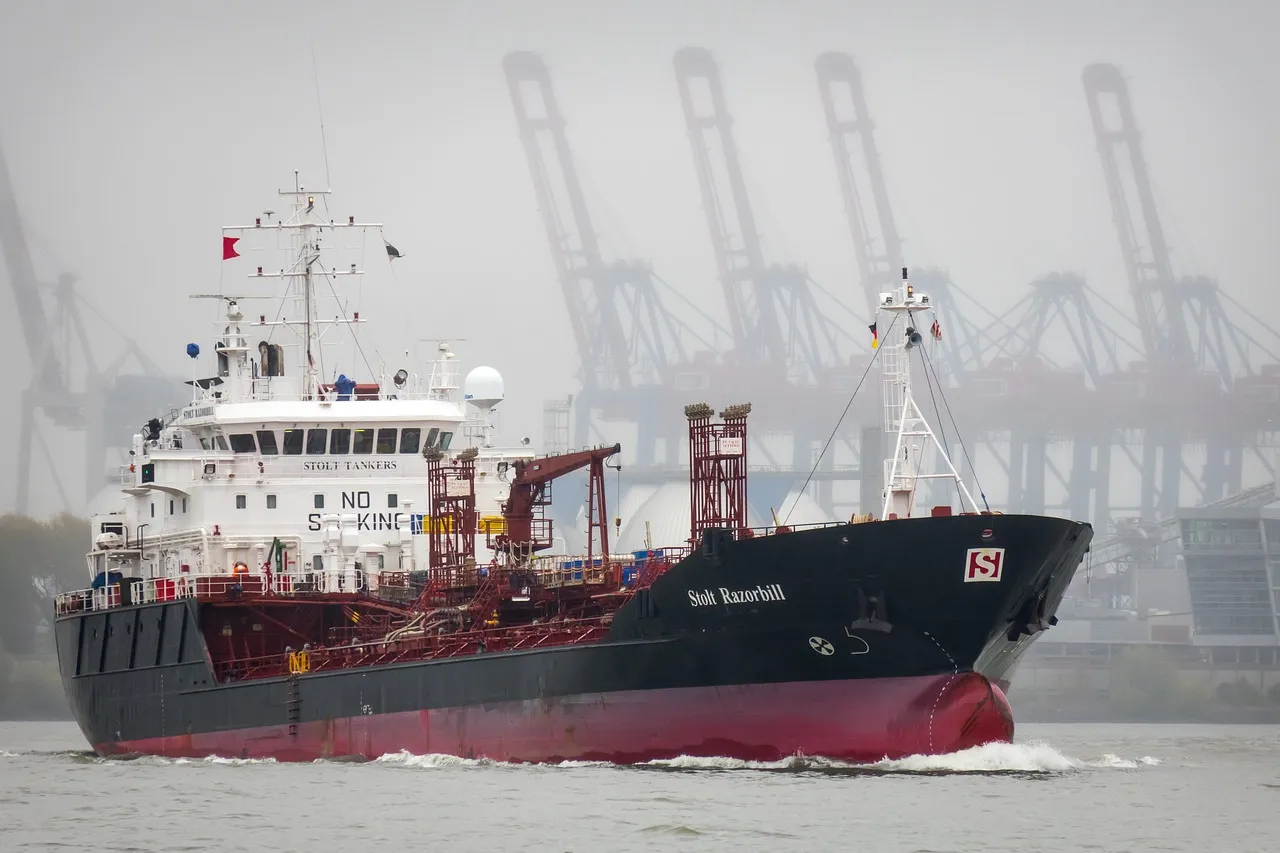
Re-export trade, in simple terms, is when the country that produces goods and the country that consumes goods do not trade directly, but rather buy and sell goods through a third country. For Hubei Thailand re-export trade companies, this model holds many charms.
From the perspective of geographical advantage, Hubei is located in central China with convenient transportation, serving as a crucial hub connecting the east and west, and the north and south. Thailand, on the other hand, is situated in the heart of Southeast Asia with abundant port resources and a superior geographical location. This geographical complementarity provides a good bridge for re-export trade. For example, Zhongmaidada company can transport cost-advantageous manufactured products from the Hubei region, such as mechanical equipment and textiles, to Thailand first, utilize Thailand's developed maritime network, and then re-export them to other countries, thereby effectively reducing logistics costs and improving transportation efficiency.
From the perspective of trade policies, Thailand has formulated a series of preferential policies to attract foreign investment and promote trade development. Zhongmaidada and other re-export trade companies can fully leverage these policies to enjoy benefits such as tariff reductions and tax incentives, significantly increasing the profit margins for enterprises.
Challenges Faced by Hubei Thailand Re-export Trade Companies
However, like any business model, Hubei Thailand re-export trade companies also face a series of challenges.
The foremost is trade risks. The international trade environment is complex and volatile, and factors such as exchange rate fluctuations and trade barriers can impact re-export trade. For instance, in terms of exchange rates, if the exchange rate of the RMB against the Thai Baht or other major settlement currencies fluctuates significantly, it may lead to exchange losses for Zhongmaidada company during settlement. Regarding trade barriers, some countries continuously introduce new tariff policies or import restriction measures, which requires companies to constantly monitor policy dynamics and adjust trade strategies in a timely manner.
Logistics is also a significant challenge. Re-export trade involves multiple transshipments, and the safety and timeliness of goods during transportation need strict control. Once issues such as delays or damage to goods occur in the logistics process, it will not only affect customer satisfaction but may also lead to the company bearing economic losses.
The Road to Future Development
Facing opportunities and challenges, how can Hubei Thailand re-export trade companies achieve sustainable development?
On one hand, risk management needs to be strengthened. Establish professional risk assessment teams, closely monitor the international political and economic situation, exchange rate fluctuations, etc., and develop contingency plans in advance. For example, hedging through financial instruments can mitigate exchange rate risks.
On the other hand, optimize the logistics supply chain. Establish long-term cooperative relationships with high-quality logistics enterprises and utilize advanced logistics technologies to achieve real-time tracking of cargo transportation, ensuring safe and timely delivery of goods.
In conclusion, Hubei Thailand re-export trade companies have broad development prospects, but enterprises also need to continuously explore and innovate in practice, and actively respond to various challenges to shine on the stage of international trade. It is hoped that more enterprises can gain a deeper understanding of this field and jointly promote the prosperous development of trade in Hubei, Thailand, and even globally.

Recent Comments (0) 0
Leave a Reply