In today's globalized world, importing various goods has become a common need for many businesses and individuals. However, the import customs declaration process often causes a headache and confusion for many. Don't worry, today we'll have a good chat about how to handle import customs declaration, making this seemingly complex process clear and easy to understand.
II. Preliminary Preparation for Import Customs Declaration
1. Confirm Product Information
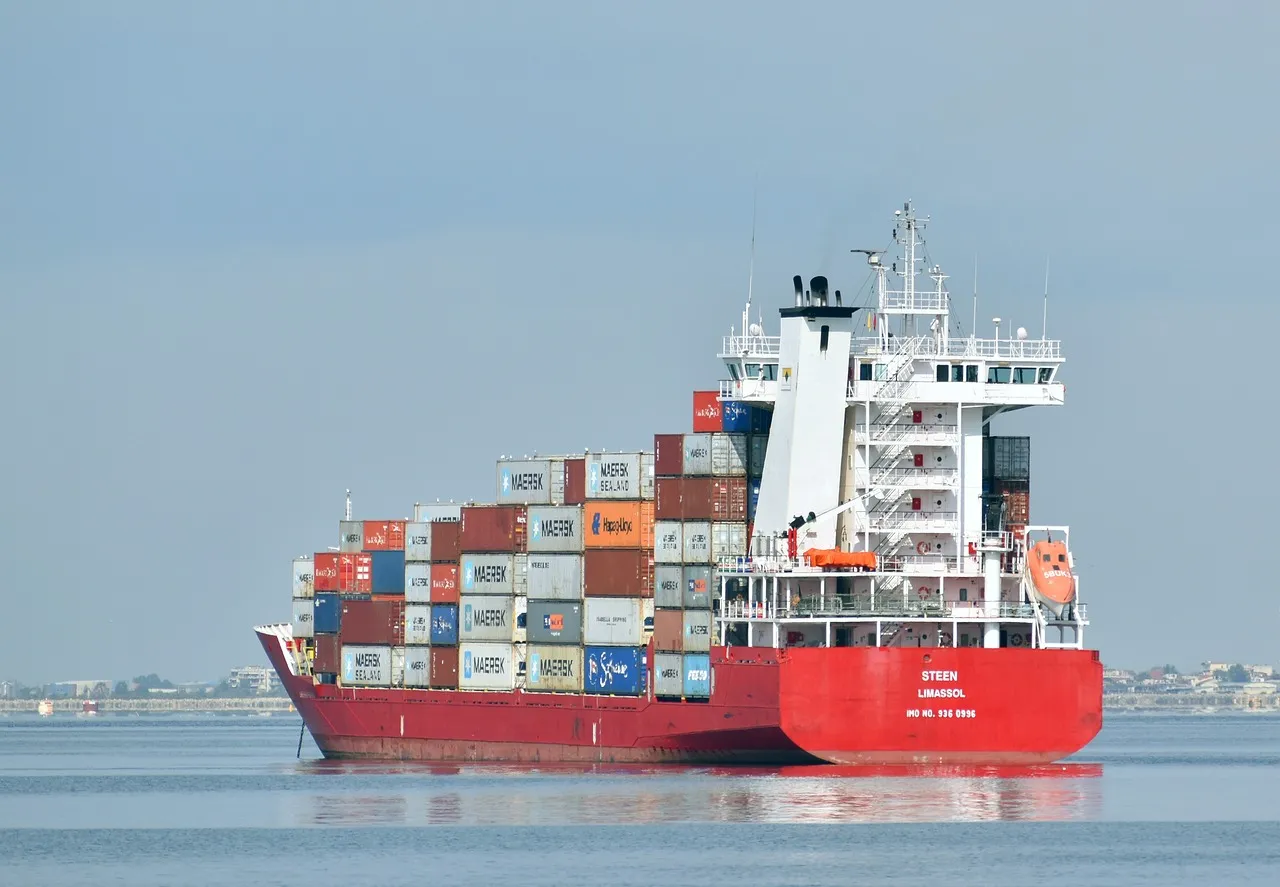
First, you need to clearly understand what the imported product is, including its name, specifications, model, material, and other detailed information. Different products may fall under different customs codes, and the customs code will determine important factors such as applicable tax rates and regulatory conditions for that product. For example, Mr. He wants to import a batch of electronic products, and he needs to accurately know the product's parameters to correctly classify the code.
2. Prepare Relevant Documents
- Commercial Invoice: This is an important voucher for the transaction between the buyer and seller, and it should include the price, quantity of goods, and information of the buyer and seller.
- Packing List: This details the packaging of the goods, such as the quantity and specifications of goods in each package.
- Bill of Lading: This is a transportation voucher for the goods, proving ownership of the goods and transportation route information.
- Contract: The contract signed by the buyer and seller, clarifying the rights and obligations of both parties.
- Certificate of Origin: If the goods enjoy specific preferential tariff policies, the Certificate of Origin is an indispensable supporting document.
III. Choose the Appropriate Customs Declaration Method
Generally, there are two common methods for customs declaration to choose from.
1. Self-Declaration
If a company has its own professional customs declarants and relevant qualifications, it can choose to declare customs by itself. However, this requires a deep understanding and mastery of the customs declaration process and customs regulations, otherwise, it is very easy to make mistakes during the declaration process. Just like the company Mr. He works for, which has a dedicated foreign trade team. After training, they can handle the customs declaration procedures for some conventional imported goods themselves.
2. Entrust a Customs Broker
For most companies and individuals who lack professional customs declaration capabilities, entrusting a professional customs broker is a good choice. Customs brokers have professional declarants who are familiar with the customs declaration procedures and customs requirements for various goods, and can efficiently and accurately complete the customs declaration procedures. However, when choosing a customs broker, you should consider its qualifications, reputation, and service quality to ensure quality service.
IV. Specific Steps of the Customs Declaration Process
1. Declaration Submission
The declarant needs to submit the prepared customs declaration documents to the customs, enter the relevant product information through the customs declaration system, and perform the declaration operation. The customs will review the declared content to see if it complies with relevant regulations.
2. Inspection
In some cases, the customs may inspect imported goods to verify the authenticity of the declared content. Inspection may be a random selection or determined based on factors such as the risk level of the goods. If inspection is encountered, you must actively cooperate with the work of customs officers.
3. Taxation
Based on the tax rate determined by the customs code of the goods, the customs will calculate the customs duties, value-added tax, and other taxes payable. Companies or individuals need to pay the taxes and fees in a timely manner according to regulations, otherwise, the goods cannot be cleared smoothly.
4. Release
When the declaration, inspection, and taxation stages are successfully completed, the customs will release the imported goods, and the goods can then officially enter the domestic market for circulation.
V. Points to Note When Handling Import Customs Declaration
1. Comply with Customs Regulations
Customs regulations are the principles that must be followed when handling import customs declaration. Any violation of regulations may lead to serious consequences, such as fines, detention of goods, or even confiscation. Therefore, you must always pay attention to the updates and changes in customs regulations to ensure that customs declaration operations are legal and compliant.
2. Ensure Accuracy of Documents
Customs declaration documents are the important basis for customs review. If there are errors or omissions in the documents, it may lead to obstacles in the customs declaration process and delay the clearance time of the goods. Therefore, you must carefully check and ensure accuracy when preparing documents.
3. Timely Communication and Coordination
During the customs declaration process, if you encounter any problems or questions, you should communicate and coordinate with customs officers, customs brokers (if entrusted), etc., in a timely manner to resolve the problems quickly and ensure the smooth progress of the customs declaration process.
VI. Conclusion
Although handling import customs declaration is somewhat complex, as long as you make good preliminary preparations, choose the appropriate customs declaration method, are familiar with the specific steps of the customs declaration process, and pay attention to relevant matters, you can successfully complete the import customs declaration procedures and allow imported goods to enter the domestic market on time and smoothly. We hope that through the introduction of this article, everyone has a clearer understanding of how to handle import customs declaration. If you have any questions or insights during the process, please feel free to leave a message in the comment section to share, and let's work together to do a better job of import customs declaration!

Recent Comments (0) 0
Leave a Reply