Hey, foreign trade partners! In the complex world of foreign trade operations, export tax rebates are a rather important link, impacting corporate profits and competitiveness. Today, let's delve into the processes and methods of foreign trade export tax rebates to give you a clear and thorough understanding.
I. Basic Concepts of Export Tax Rebate
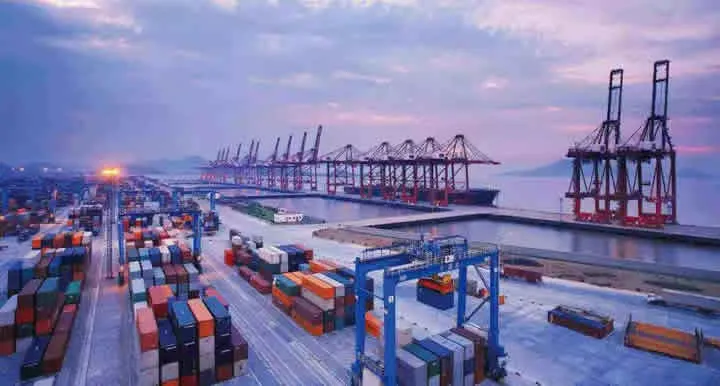
First, we need to understand what an export tax rebate is. Simply put, export tax rebate is the state's measure to encourage domestic goods exports by refunding the value-added tax and consumption tax paid in the domestic production and circulation stages, as stipulated by tax laws, for goods declared for export. This is a tangible preferential policy that can give domestic products a greater price advantage in the international market. It's like injecting a "booster shot" into a company's foreign trade business, helping it to expand significantly on the international stage.
II. Process of Export Tax Rebate
- Step 1: Filing for Registration as a Foreign Trade Operator. If Mr. Shen wants to engage in foreign trade export business and enjoy export tax rebates, he must first go to the local commerce competent authority to complete this registration and obtain the relevant registration form. This is the fundamental first step.
- Step 2: Registration as a Customs Declaration Unit. Having the foreign trade operator registration is not enough; one must also register with the customs as a declaration unit to smoothly carry out customs declaration and export operations for goods. Mr. Shen paid special attention to accurately filling in the information when handling this registration to avoid subsequent troubles.
- Step 3: Customs Declaration and Departure of Export Goods. Once the goods are ready, they must be declared according to customs requirements to ensure their smooth departure. During the customs declaration process, it is crucial to accurately fill in various declaration documents, such as the customs declaration form and the packing list, as these are directly related to the successful processing of tax rebates.
- Step 4: Foreign Exchange Collection Verification. After the goods are exported, the enterprise must promptly collect foreign exchange and carry out foreign exchange collection verification operations as required. This step cannot be taken lightly, as it may affect the application for tax rebates.
- Step 5: Application for Tax Rebate. After completing the previous steps, you can prepare to apply for the tax rebate. The enterprise needs to collect relevant tax rebate supporting documents, such as special value-added tax invoices and customs declaration forms for exported goods, then fill out the tax rebate application form according to the tax department's requirements and submit the application within the stipulated time. The tax department will review the submitted application and supporting documents.
- Step 6: Tax Rebate Review and Issuance. Once the tax department approves the review and all requirements are met, congratulations, you can await the arrival of the tax rebate funds. However, if any issues are discovered during the review process, the enterprise must promptly cooperate with rectification efforts to receive the tax rebate funds as soon as possible.
III. Methods of Export Tax Rebate
In practice, there are mainly two common methods for export tax rebates. One is the "exemption, credit, and refund" method, which applies to manufacturing enterprises. Manufacturing enterprises exporting self-produced goods and goods deemed as self-produced can enjoy the "exemption, credit, and refund" tax policy according to relevant regulations. Specifically, "exemption" means exempting the value-added tax at the export stage; "credit" means that the input tax on raw materials used for export goods can be used to offset the payable tax on domestic sales; and "refund" means that any outstanding amount that cannot be offset can be refunded. This is like a clever tax "balancing act," enabling manufacturing enterprises to better utilize tax policies to optimize costs.
Another method is the "exemption and refund" method, which mainly applies to foreign trade enterprises. For foreign trade enterprises purchasing goods for export, under eligible conditions, they can enjoy the "exemption and refund" tax policy. This means exempting the value-added tax at the export stage, and then refunding the input value-added tax paid when purchasing the goods.
IV. Points to Note
When processing export tax rebates, there are several points to keep in mind. Firstly, all documents, such as invoices and customs declaration forms, must be well-preserved, as they are important bases for tax rebate review. If documents are lost or incorrectly filled out, it will lead to trouble. Secondly, all operations must be strictly completed within the timeframes stipulated by the tax department and customs, as exceeding these deadlines may result in the inability to enjoy tax rebate policies. Additionally, enterprises themselves must strengthen their study and understanding of export tax rebate policies to better utilize them and benefit the company.
Alright, that's all for the introduction to the processes and methods of foreign trade export tax rebates. We hope all foreign trade partners can master this knowledge proficiently, making export tax rebates a powerful catalyst for enterprise development. If you have any questions or insights during actual operations, feel free to leave a message in the comment section to share, and let's discuss and progress together!

Recent Comments (0) 0
Leave a Reply