Hey, all business owners and finance colleagues! Today, we're going to have a good chat about something that is crucial for many people doing foreign trade business – export tax rebates. This concerns the tangible benefits of the company, and if it can be handled smoothly, it can save the company a lot of costs, so you must understand it well.
I. What is an Export Tax Rebate?
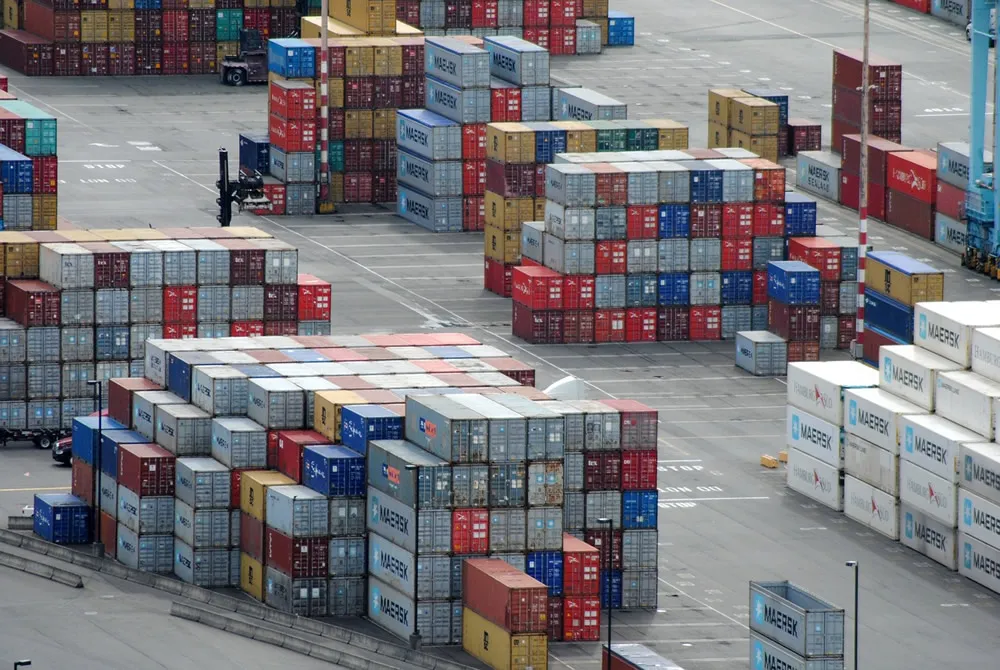
Simply put, export tax rebate is a policy where the state, in order to encourage the export of domestic goods, refunds the value-added tax and consumption tax, etc., that have been paid according to tax laws during the domestic production and circulation stages for goods declared for export. This is equivalent to a subsidy policy from the state to export enterprises, helping them to be more competitive in the international market. For example, Mr. Ding company produced a batch of products and paid a certain amount of tax during the domestic production stage. When these products are exported abroad, under eligible conditions, they can apply to have part of the previously paid taxes refunded.
II. Conditions for Applying for Export Tax Rebate
- Firstly, the goods must fall within the scope of value-added tax and consumption tax. If the goods themselves are not within the scope of these two taxes, then export tax rebates cannot be enjoyed.
- Secondly, the goods must be declared for customs and leave the country for export. If the goods only circulate within the country and do not truly leave the border, they do not meet the requirements.
- Thirdly, export sales must be processed in the financial accounts. This requires that the company's financial statements clearly and accurately record the relevant sales situation.
- Finally, and importantly, it is goods for which foreign exchange has been received and verified (of course, there are corresponding solutions for some special circumstances now, but the general principle is to receive foreign exchange).
III. Specific Process for Handling Export Tax Rebate
Step one, prepare relevant documents. This includes customs declaration forms, export sales invoices, purchase invoices, foreign exchange settlement slips or remittance advices, etc. These documents are important bases for handling tax rebates, and their authenticity and completeness must be ensured. Just like Mr. Ding company, because of a small information error on the customs declaration form, the tax rebate was almost delayed, so you must be careful.
Step two, declare for tax rebate. Enterprises must, within the prescribed time, truthfully fill in the declaration information and upload relevant documents through the corresponding electronic port or tax declaration system. Many places have now realized electronic declaration, which has made it much more convenient, but it also requires that the company's operating personnel be familiar with the system operation procedures.
Step three, review by tax authorities. The tax department will strictly review the declaration documents submitted by the enterprise, mainly reviewing the authenticity, compliance of the documents, and the accuracy of the declared data, etc. If problems are found during the review process, the enterprise will be notified to supplement or correct them.
Step four, tax refund. Once the tax authorities have reviewed and approved, the tax refund amount will be refunded to the enterprise according to the prescribed procedures. The enterprise can happily receive this tax refund, which can be used for the further development of the enterprise.
IV. Precautions for Handling Export Tax Rebate
Timeliness is important! Different types of enterprises and different goods may have different declaration deadlines. You must remember them, because if you miss the declaration deadline, you will not be able to handle the tax rebate. Another point is the preservation of documents; relevant tax rebate documents should be kept properly for possible subsequent inspections by the tax authorities. Moreover, policies are constantly changing, so enterprises must keep abreast of updates to export tax rebate-related policies to ensure that their handling process always complies with the latest regulations.
Alright, that's all the introduction to how to handle export tax rebates. Everyone, if your company is involved in export business, you must study this matter of export tax rebates well, and it may bring considerable revenue to your company. If you have any questions or experiences, you are welcome to leave comments in the comment section to share, so that we can all understand the matter of export tax rebates clearly!

Recent Comments (0) 0
Leave a Reply