When Mr. Chang first received an inquiry from a Vietnamese client, he stared at his computer screen for three minutes – this country with a population of nearly 100 million had an export volume exceeding 400 billion US dollars last year, even surpassing some developed European countries. What surprised him even more was that the Vietnam export agent industry is becoming a key pivot for Chinese and foreign enterprises to leverage the Southeast Asian market.
Why Choose a Vietnam Export Agent?
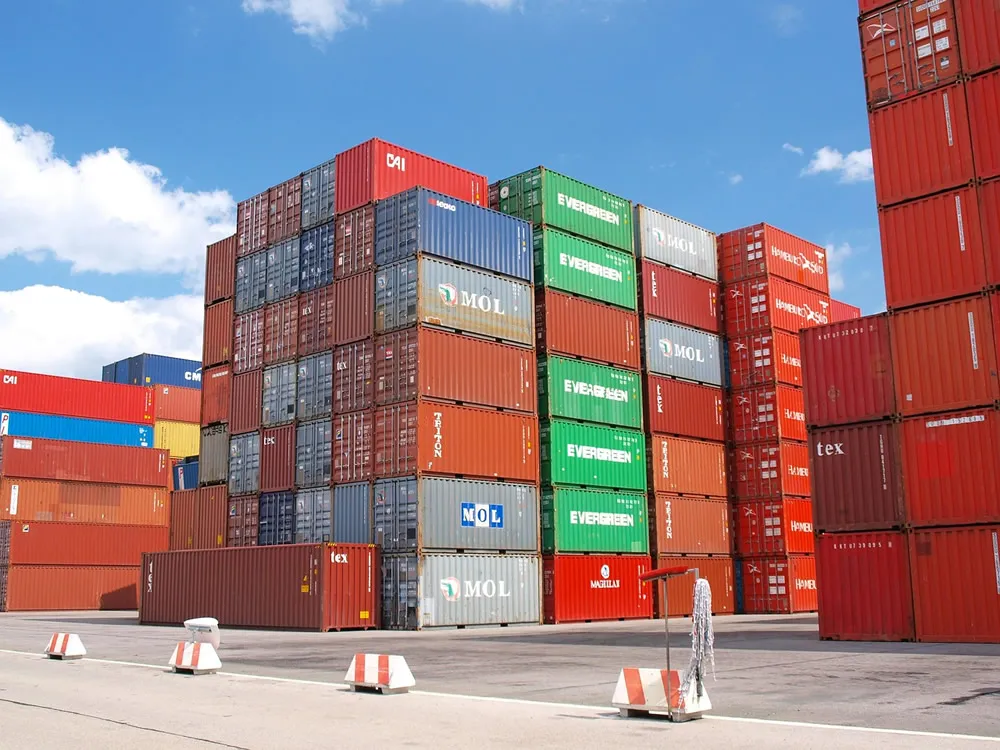
Last year, Mr. Chang garment factory reduced costs by 23% through an agent, driven by Vietnam's unique advantages:
- Tariff Dividend: Vietnam has signed 15 free trade agreements, with textile tariffs to the EU being 8-12% lower than those from China.
- Cost Advantage: Industrial land rent is only 1/3 of that in the Pearl River Delta, and the average monthly salary for ordinary workers is about 1500 RMB.
- Transit Hub: Shipping time from Ho Chi Minh Port to Singapore is 18 hours faster than from Shanghai Port.
Core Value of Agent Services
Professional agent agencies can solve these pain points:
- Avoid compliance risks associated with documents such as Certificates of Origin and FORM E.
- Handle Vietnam's unique unwritten rules like "customs clearance tips."
- Connect with local logistics companies to reduce transportation costs by over 30%.
A certain electronic components merchant saved over $20,000 in tariffs per shipment by optimizing their declared codes through an agent.
Three Major Pitfalls When Choosing an Agent
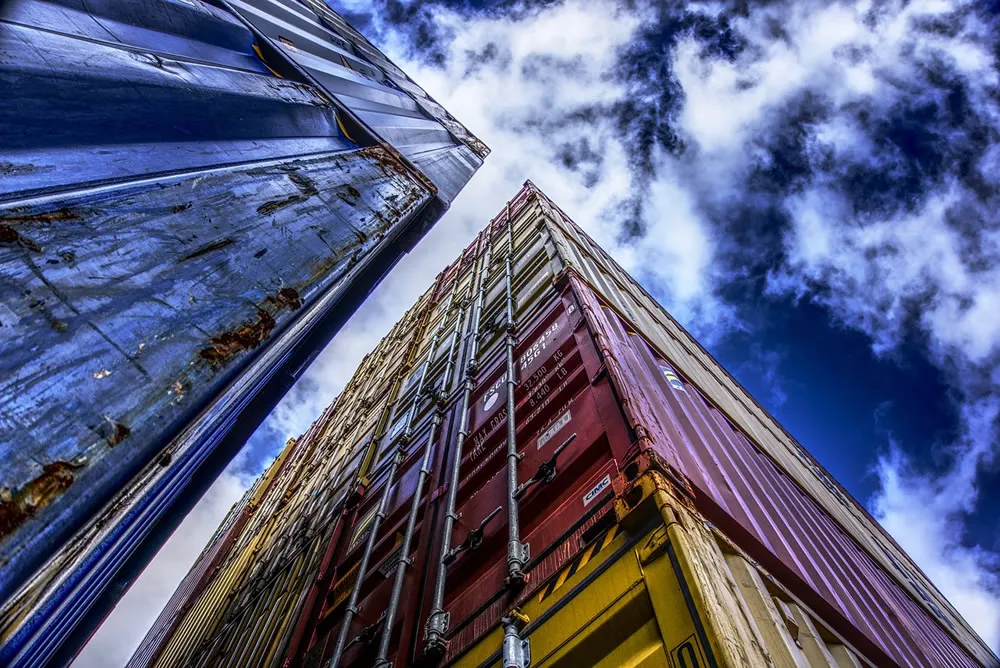
Boss Wang suffered heavy losses due to choosing the wrong agent, and these experiences are worth noting:
- Be wary of agencies that promise "100% customs clearance guarantee"; Vietnam's customs random inspection rate is about 5%.
- Confirm that the agent has at least two offices in Hanoi, Haiphong, and Ho Chi Minh City.
- Request recent 3-month practical case studies instead of success rate data.
Established agents like Zhongmaoda will proactively provide customs filing codes, which is an important credit endorsement.
Opportunity Window for the Next Three Years
With the full implementation of the Vietnam-EU EVFTA agreement, these sectors will experience explosive growth:
- Machinery and electrical products: Tariffs to Europe will be reduced to zero by 2025.
- Agricultural products: Dragon fruit, coffee, and other products will enjoy a 7% EU tariff preference.
- Cross-border e-commerce: The newly built smart warehousing and distribution center in Ho Chi Minh City will shorten delivery times by 48 hours.
Your Southeast Asia Strategy Needs an Upgrade
When the factory next door secured its first European order through an agent, cost control was no longer an option. Vietnam export agents are like local guides on the business battlefield; they are not only familiar with every policy shortcut but also know how to avoid the swamps not marked on the map. When are you ready to launch this cost-reduction and efficiency-boosting breakout into Southeast Asia?

Recent Comments (0) 0
Leave a Reply