Late at night at Zigui Port, a fully automatic citrus sorting machine from Germany is being slowly unloaded. Mr. Lian rubs his hands together, his exhaled breath clearly visible under the searchlight – this is the 17th imported piece of equipment he has handled this year. "Three years ago, we could only rely on manual sorting; now, even drip irrigation systems from Israel are starting to go through our channels." This small city on the Yangtze River is becoming the hidden champion of imported machinery agencies.
Why Zigui?
Looking at a map reveals that Zigui is precisely at the intersection of the Yangtze River Economic Belt and the Chengdu-Chongqing Twin City Economic Circle. The multi-modal transportation network of water, land, and air makes it a natural hub for the transit of mechanical equipment:
- Water transport: The only year-round deep-water port capable of handling 10,000-ton vessels in the Three Gorges Reservoir area.
- Land transport: The intersection of the Shanghai-Chongqing Expressway and the Fanba Expressway.
- Air transport: Only a 40-minute drive from Yichang Sanxia Airport.
Mr. Lian customs brokerage company recently handled a batch of Italian excavator parts: "Transferring them here from Shanghai Port for customs clearance allows the client to save 12% on logistics costs."
The Invisible "Technical Translator"
Imported machinery agency is far from being a simple intermediary. Zhongmao Da's technical team handles a large amount of technical documentation localization work every week:
- Converting German technical parameters into manuals compliant with GB standards.
- Adjusting equipment rust prevention solutions for the humid southern climate.
- Developing a Chinese version of the operating interface system.
"Japanese manufacturers' circuit labeling methods are completely different from national standards," Mr. Lian says, pointing to a CNC machine tool being debugged. "We have to be a good 'technical bridge'."
A Mechanical Revolution in the Citrus Industry Chain
At Zigui's largest navel orange cooperative, a Dutch automatic washing and sorting line processes 8 tons of fruit per hour. Behind this equipment lies the agent's full lifecycle service:
- Before purchase: Organizing farmer visits to Europe for inspection.
- During use: Training local technicians to obtain CE certification.
- After-sales: Establishing a bonded warehouse for spare parts.
Mr. Lian has calculated: "Although the equipment is 30% more expensive, the loss rate has decreased from 15% to 3%, recouping the cost in two years."
Where is the Next Trend?
With the establishment of the Zigui Cross-border E-commerce Pilot Zone, the import of intelligent agricultural machinery has surged by 210% year-on-year. However, challenges have also arisen:
- New EU regulations require machinery to have carbon footprint traceability functions.
- Southeast Asian agents are beginning to compete in the mid-range market.
- The domestic substitution rate has reached 60% in some areas.
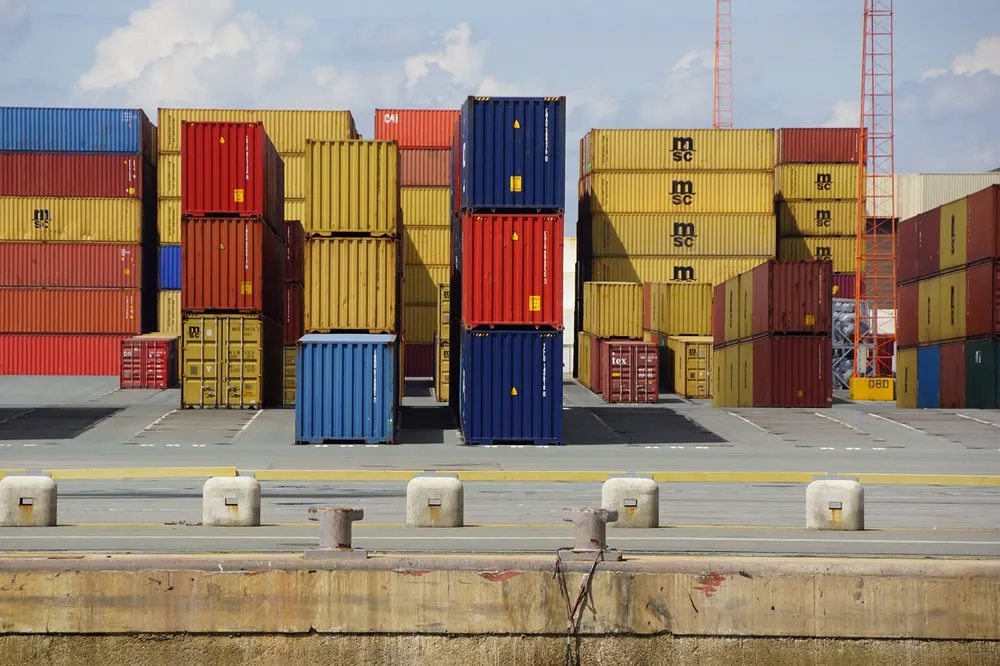
Standing at the container terminal, Mr. Lian watches the cargo ships sailing on the river: "In the next five years, we need to upgrade our services from 'equipment import' to 'technical'." In the distance, a gantry crane is steadily lowering a package box with German lettering, the setting sun casting a golden hue on the steel behemoth.

Recent Comments (0) 0
Leave a Reply