In the vast world of business, the terms import and agency are frequently mentioned, but are you truly clear about the differences between them? Today, let us delve deep together, unravel the mysteries behind import and agency, and see what unique roles they play in business operations.
I. Import: Introducing Goods Across Borders
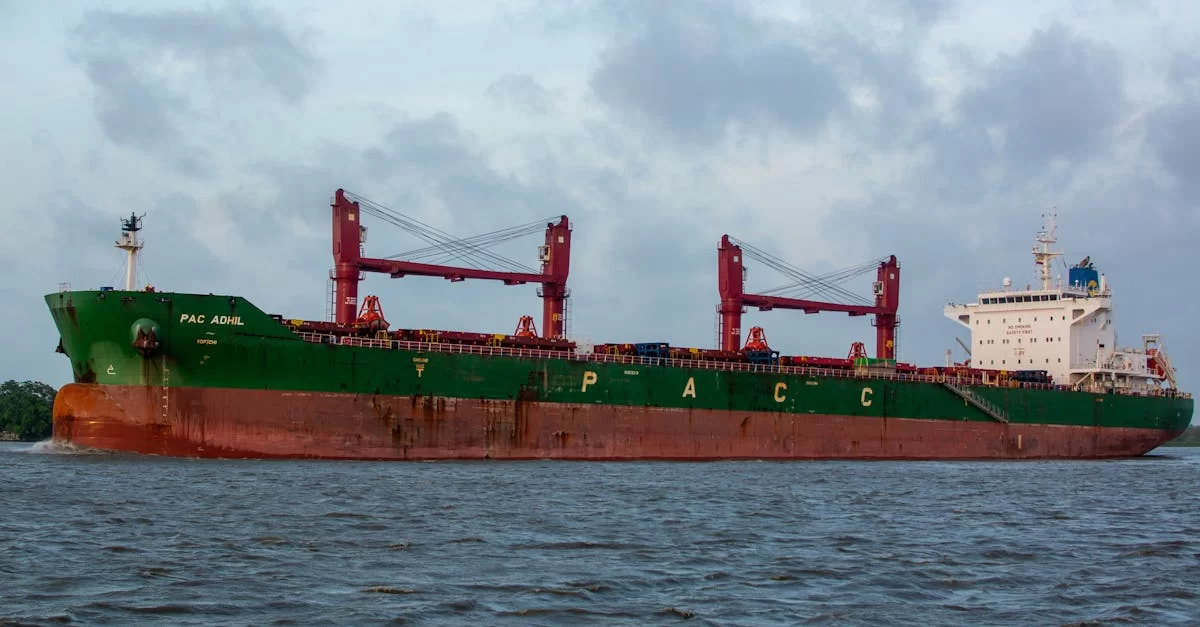
Definition: Import, simply put, is a commercial activity where enterprises or individuals in one country or region purchase goods from other countries or regions and transport them into their own market for sale or other purposes. This involves a series of complex processes such as cross-border cargo transportation and customs clearance.
For example, if Mr. Luo wants to sell a well-known foreign electronic product domestically, he needs to go through formal import channels, reach a procurement agreement with foreign suppliers, and then arrange for the transportation and customs declaration of the goods to bring the product into the domestic market.
Characteristics:
- Direct Procurement: Importers conduct transactions directly with foreign suppliers and own the goods.
- Risk Bearing: One must face numerous risks, such as cargo damage during transportation, exchange rate fluctuations, and changes in market demand.
- Cost Considerations: In addition to the procurement cost of the goods themselves, various fees such as freight, customs duties, and customs declaration fees must be paid, making the cost structure relatively complex.
II. Agency: A Bridge Connecting Supply and Demand
Definition: Agency is a form of entrusted relationship, where one party (the agent) accepts the entrustment of another party (the principal) and engages in relevant business activities in the name of the principal within the authorized scope. In import business, agency typically refers to domestic enterprises or individuals entrusted by foreign suppliers to promote and sell their products in the domestic market.
For instance, Mr. Luo company acts as an agent for a foreign cosmetics brand. According to the agreement with the foreign brand, her company will carry out market promotion, find customers, and facilitate sales in the domestic market. However, the ownership of the products still belongs to the foreign brand.
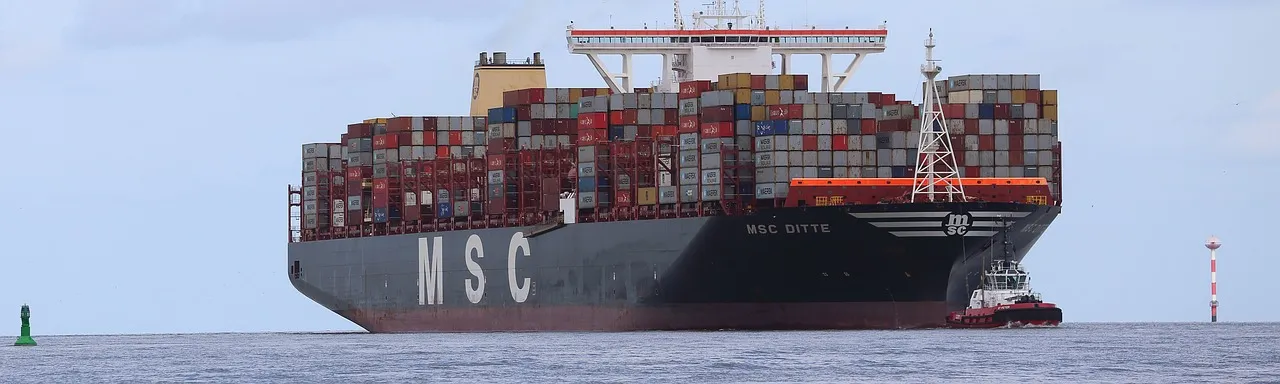
Characteristics:
- Entrusted Relationship: Business is conducted based on the authorization and entrustment of both parties. The agent is not the owner of the goods.
- Risk Sharing: The primary risks borne are related to the sales process, such as ineffective market promotion. Compared to importers, the types of risks are different.
- Revenue Model: Revenue is generally obtained by charging agency commissions, rather than profiting from the price difference of goods (of course, some agency business may also have a certain price difference revenue model, but it is relatively not dominant).
III. Key Differences Between Import and Agency
1. Ownership of Goods: This is the most essential difference between the two. After completing the procurement, the importer owns the goods and can independently decide the selling price, sales channels, etc. The agent, on the other hand, acts only within the authorized scope, and the ownership of the goods belongs to the principal, with the agent carrying out business according to the principal's requirements.
2. Risk Bearing: Importers bear a wider range of risks, which can exist from the source of procurement to the point of sale. Agents primarily focus on risks in market promotion and sales, such as insufficient customer acquisition or failure to meet sales targets.
3. Method of Revenue Acquisition: Importers primarily obtain profits through the price difference of goods, meaning the difference between the procurement cost and the final selling price is their profit. Agents, however, more often earn revenue by charging agency commissions, receiving income based on a percentage of completed sales or other agreed-upon metrics.
Conclusion: Clarifying Differences, Aiding Business Decisions
Understanding the differences between import and agency is crucial for businesses and individuals engaged in cross-border commercial activities. Whether you want to directly control the supply chain and bear more risk for potentially higher profits by becoming an importer; or if you prefer to earn agency commissions by leveraging your market resources and sales capabilities through entrusted agency, you need to make wise decisions based on your actual situation, resource advantages, and risk tolerance. We hope that in your future business endeavors, you can accurately grasp the characteristics of these two models and make the most suitable choice for yourselves. We also welcome you to share your insights and experiences on import and agency in the comment section.

Recent Comments (0) 0
Leave a Reply