In the vast world of business, the terms "importing" and "agency" are frequently mentioned, but do you really understand the difference between them? Today, let us delve deep together and unravel the easily confused mysteries behind importing and agency, helping everyone make more clear choices in business activities.
I. Importing: Introducing Goods Across Borders
Definition and Process
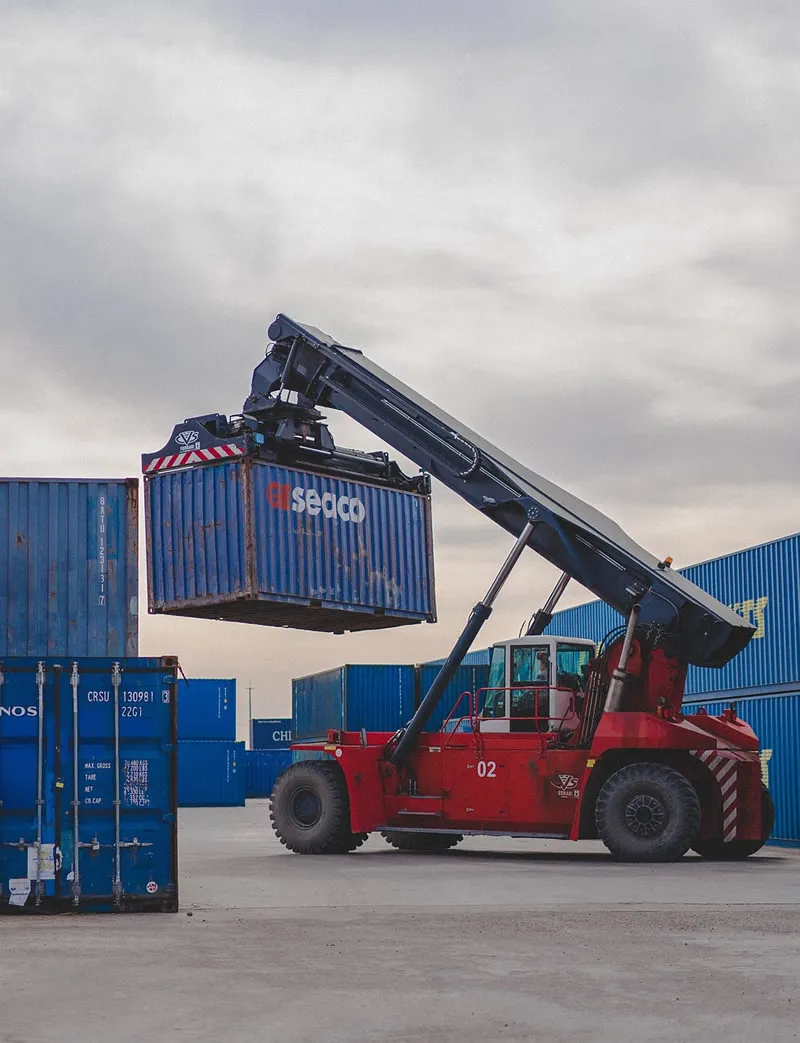
Importing, simply put, is the commercial activity where an enterprise or individual in one country or region purchases goods from another country or region and transports them into its own market for sale or other purposes. This involves numerous complex processes, such as first finding suitable overseas suppliers and determining details like the type, quantity, and price of goods to be purchased. Subsequently, a series of customs procedures must be completed, including customs declaration and payment of duties. Only after these steps are finished can the goods smoothly enter the domestic market. It's like Mr. Gao wanting to import a batch of specialty electronic products from abroad; he needs to first screen reliable suppliers in the international market, then follow the regulations of various customs authorities and complete each procedure step by step, ensuring that this batch of electronic products can be legally sold in the domestic market.
Advantages and Challenges
The advantage of importing lies in the direct access to high-quality overseas product resources, satisfying domestic market demand for specific goods, and sometimes leveraging advanced foreign product technologies to enhance competitiveness. However, it also faces many challenges, such as requiring a high level of understanding of foreign markets and suppliers, changes in customs policies that may affect import progress and costs, and risks of cargo damage or delays during transportation.
II. Agency: A Business Cooperation Model for Bridging Connections
Definition and Operating Model
Agency, on the other hand, is a business cooperation model where one party (the agent) engages in commercial activities in the name of another party (the principal) within the scope of authorization, such as selling goods or providing services. For instance, Mr. Gao, as a domestic agent for a certain foreign brand, obtains authorization from that brand to promote, sell, and provide after-sales services for its products in the domestic market under the brand's name. The agent generally receives corresponding commissions or remuneration according to the agency agreement.
Characteristics and Limitations
The characteristic of agency is that it can quickly enter the market and conduct business by leveraging the brand advantages and product resources of the principal, without bearing the pressure of complex procurement, customs, and other related processes like importing. However, the agent's business development largely depends on the authorization and support of the principal. If issues arise with the agency agreement or the principal changes its strategy, the agent's business may be significantly affected.

III. Key Differences Between Importing and Agency
1. Different Commercial Roles
- An importer is a buyer of goods, directly sourcing and introducing products from abroad into the domestic market, holding ownership of the goods.
- An agent engages in commercial activities in the name of the principal and does not hold ownership of the goods, primarily earning remuneration by facilitating transactions.
2. Differences in Operating Processes
- Importing involves a series of complex processes related to the cross-border movement of goods, including overseas procurement, transportation, customs declaration, and tax payment.
- Agency primarily revolves around obtaining authorization and conducting marketing and sales activities focused on brand operations, with processes relatively more centered on the market end.
3. Different Risk and Profit Bearing
- Importers bear risks related to the cost of goods procurement, transportation risks, changes in customs policies, and more. However, if market sales are good, their profits can be substantial, earning from price differences of goods, etc.
- The risks for agents mainly lie in the stability of the agency agreement and the level of support from the principal. Their earnings are typically based on the commission percentage stipulated in the agency agreement, and the upper limit of their profits may be relatively constrained.
Conclusion: Clear Differences Lead to Wise Business Decisions
Through the detailed analysis of importing and agency above, we can clearly see numerous differences between them. In actual business activities, both enterprises and individuals need to carefully consider whether to choose the path of importing or agency based on their own resources, capabilities, market demand, and other factors. We hope that after understanding these differences, everyone can make wiser business decisions and ride the waves of the market. We also welcome everyone to share their experiences and insights on importing or agency in the comments section, so we can discuss and grow together.

Recent Comments (0) 0
Leave a Reply