"Mr. Tao recently wanted to import a batch of precision instruments from Germany but got stuck at the customs declaration stage; Mr. Tao cosmetic raw materials were detained by customs for 3 weeks due to incomplete documents... Import trade seems simple, but it is fraught with hidden dangers." Today, we will use a flowchart to dissect the complete chain of Shanxi agency import business, avoiding those "invisible traps."
I. Core Value of Agency Import
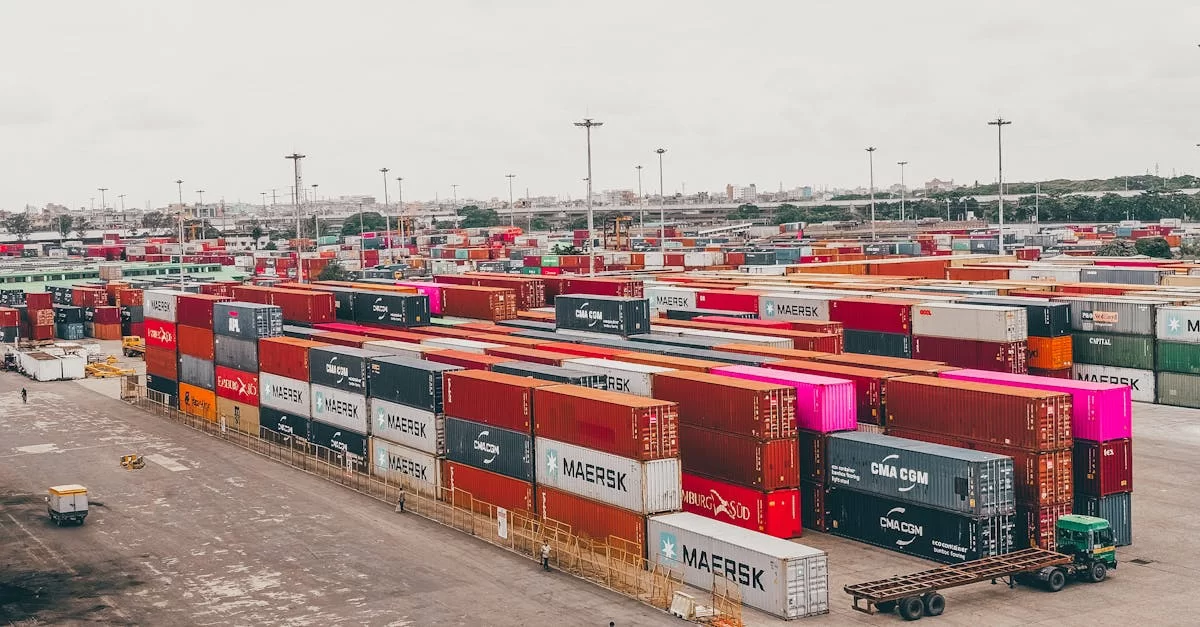
As an inland province, Shanxi enterprises often face three major pain points when directly engaging in import business: language barriers, policy blind spots, and high logistics costs. Professional agencies can provide:
- Customs AEO certification for expedited clearance
- Multilingual contract review
- Cross-border tax optimization solutions
II. Six Steps for the Complete Business Process
Stage 1: Preliminary Preparation
It is necessary to confirm the HS code and regulatory conditions of imported goods (e.g., medical devices require CFDA filing). Zhongmaoda suggests starting the qualification application 2 months in advance.
Stage 2: International Procurement
Stage 3: Logistics and Transportation
Shanxi enterprises often choose transit through Tianjin Port/Qingdao Port, and need to calculate the cost difference between sea freight/rail combined transport. Special equipment transportation requires separate declaration.
III. Key Risk Control Points
1. Document Consistency: Proforma invoice, packing list, and bill of lading information must match 100%
2. Advance Ruling on Tariffs: It is recommended to apply for an advance ruling on customs classification for bulk commodities
3. Demurrage Trap: When customs clearance is delayed, port storage fees can be as high as 2000 yuan/day
IV. Shanxi's Characteristic Service Upgrades
Targeting the needs of local enterprises, some agencies offer:
- "Bonded Exhibition" service at Wusu Comprehensive Bonded Zone
- Dedicated line for China-Europe Railway Express (Taiyuan-Moscow)
- Cross-border RMB settlement channel
Actionable Advice: Your Next Step
Open your computer now and check against:
- Has commodity classification been completed?
- Can the supplier provide a certificate of origin?
- Does the agent have experience in clearing live or fresh products?
Welcome to share your import challenges in the comment section. We will select 3 typical questions for professional customs consultants to answer.

Recent Comments (0) 0
Leave a Reply