Mr. Sheng is recently considering importing a batch of high-end European mechanical equipment, but he is struggling to decide between agent import and self-operated import. What are the differences between these two methods? Which one is more suitable for your business? This article will unveil the mysteries of agent import and self-operated import, helping you make an informed decision.
Core Concepts: What are Agent Import and Self-Operated Import?
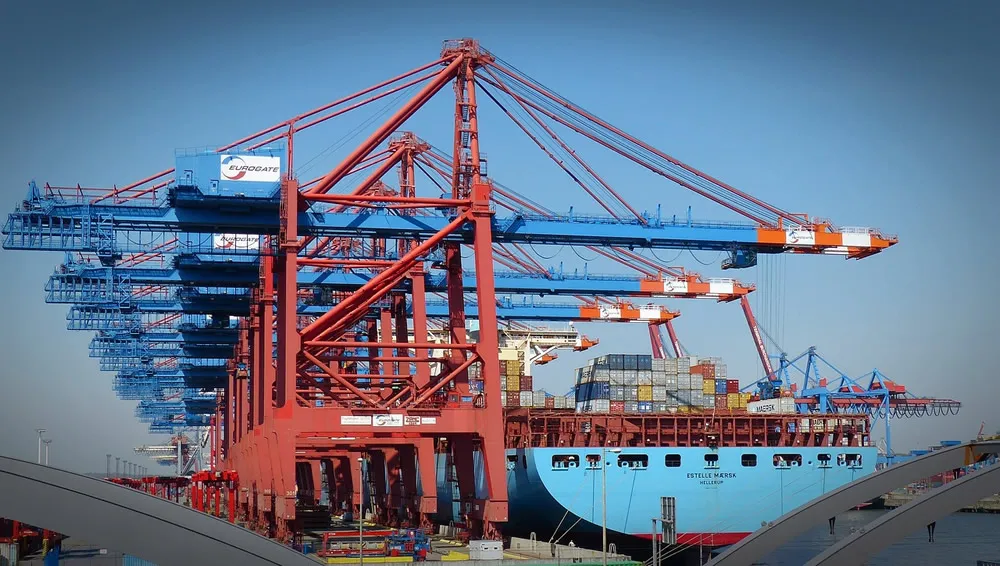
Agent import refers to companies entrusting professional import service providers to handle import business on their behalf, including customs declaration, logistics, taxation, and other comprehensive services. Self-operated import, on the other hand, involves companies independently setting up teams to complete all import procedures.
Analysis of Five Key Differences
- Capital Investment: Agent import typically only requires payment of service fees, while self-operated import requires significant upfront investment.
- Professional Requirements: Agent import can leverage the professional capabilities of service providers, while self-operated import requires building an in-house professional team.
- Risk Bearing: In agent import, risks are partially transferred to the service provider; in self-operated import, the company bears all risks.
- Operational Procedures: Agent import simplifies the process, while self-operated import requires handling all details.
- Business Flexibility: Self-operated import allows for faster responses to market changes, whereas agent import is relatively fixed.
Situations Suitable for Agent Import
Mr. Sheng startup company recently tried importing a batch of Japanese cosmetics. Due to a lack of import experience, she chose agent import services. This method saved her the trouble of assembling a professional team and avoided potential risks arising from unfamiliarity with import policies.
Agent import is particularly suitable for:
- Companies with smaller import volumes
- Newcomers lacking import experience
- Companies seeking to reduce operational costs
- Products requiring rapid market entry
Situations Suitable for Self-Operated Import
An electronics manufacturer, after stabilizing its business, decided to establish its own import department. Although the initial investment was substantial, in the long run, self-operated import has helped them better control product quality and supply chain rhythm.

Self-operated import is more suitable for:
- Companies with large import volumes
- Companies with professional teams
- Industries with high demands for supply chain control
- Companies planning for long-term development of import business
Decision-Making Advice: How to Choose the Most Suitable Method?
When making a choice, it is recommended to consider the following factors:
- Company size and financial strength
- Frequency and scale of import business
- Internal professional talent reserves
- Degree of demand for supply chain control
- Requirements for responding to market changes
Future Trends: The Rise of Hybrid Models
With market development, an increasing number of companies are adopting hybrid models: self-operating import for core products and agent import for non-core products or temporary needs. This flexible approach can help companies balance costs and efficiency.
What is Your Choice?
Both agent import and self-operated import have their unique advantages and applicable scenarios. The key is to make the most suitable choice based on the company's actual situation. Which method do you lean towards? Feel free to share your views and experiences in the comments section!

Recent Comments (0) 0
Leave a Reply