"Why do quotations from different customs clearance companies for the same goods vary by thousands?" This is the confusion Mr. Guan encountered recently when importing a batch of electronic components. In fact, many industry "unspoken rules" are hidden behind the differences in import customs clearance quotations. This article will unveil the mystery of import customs clearance quotations to help you make informed choices.
Components of Customs Clearance Quotations
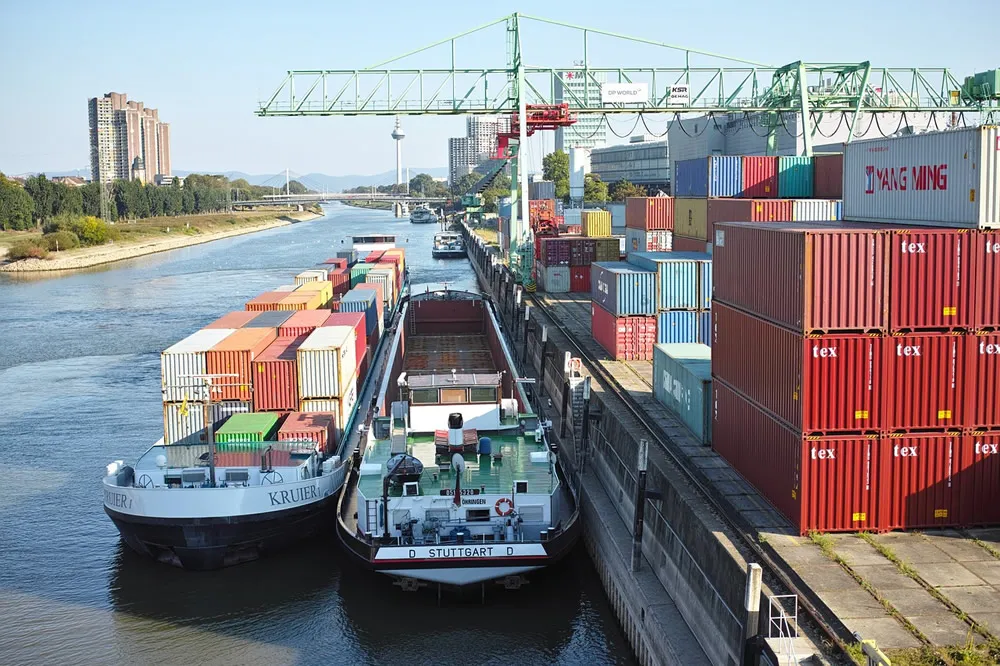
Import customs clearance company quotations typically include the following core components:
- Customs Declaration Service Fee: This is the basic service fee for the customs clearance company, and the charging standards vary significantly among different companies.
- Tariffs and Value-Added Tax: This is a fixed cost determined by the customs based on the commodity code.
- Inspection and Quarantine Fees: Additional fees are incurred for special goods such as food and cosmetics.
- Warehousing and Logistics Fees: Including port storage fees, transportation fees, etc.
- Other Miscellaneous Fees: Such as document processing fees, expedited service fees, etc.
Key Factors Affecting Quotations
Mr. Guan recently imported a batch of red wine and found that the quotations from different companies differed by 30%. This is mainly influenced by the following factors:
- Commodity Classification: The accuracy of the HS code directly affects the tariff rate.
- Value of Goods: The higher the declared value, the higher the tax cost.
- Customs Clearance Port: Charging standards vary across different ports.
- Service Scope: Whether it includes value-added services such as inspection and permit application.
- Company Size: Larger companies may charge higher fees but offer more standardized services.
How to Evaluate the Reasonableness of Quotations
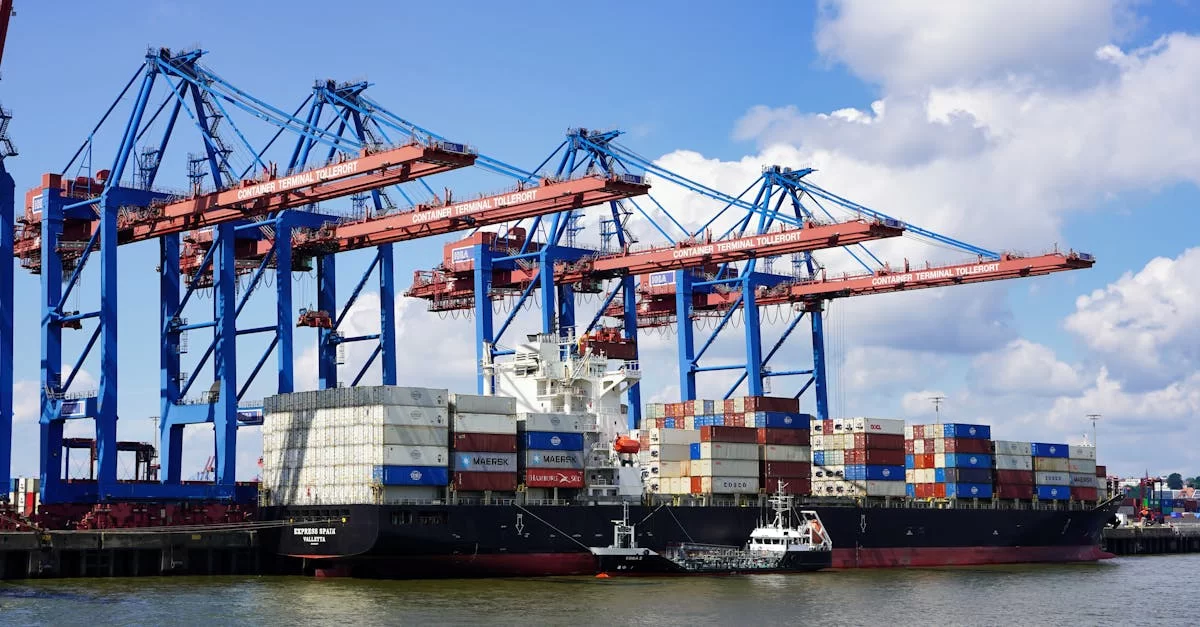
Faced with a wide variety of quotation sheets, you can refer to the following methods for judgment:
- Request a detailed quotation to avoid vague "package pricing."
- Compare quotations from 3-5 companies to identify outliers that deviate significantly from the market average.
- Verify the accuracy of commodity classification and tariff calculation.
- Inquire about potential hidden fees, such as late declaration fees and demurrage fees.
- Assess the company's qualifications and industry reputation. Professional organizations like Zhongmaoda usually offer more transparent pricing.
Practical Tips for Saving Customs Clearance Costs
If you want to reduce import customs clearance costs, try these methods:
- Prepare complete customs clearance documents in advance to avoid additional fees due to incomplete submissions.
- Plan your import schedule reasonably, avoiding peak customs clearance periods like holidays.
- For long-term business, negotiate an annual service agreement with the customs clearance company.
- Consider using a "tax-included" model, but be aware of the legal risks.
- Utilize preferential tax rates under free trade agreements by providing documents such as certificates of origin.
Conclusion: Your Choice Matters
Import customs clearance is not just a price comparison game. Low prices may mean reduced services or transferred risks. We recommend that while focusing on price, you should also consider the professionalism and reliability of the service provider. What do you value most when choosing customs clearance services? Please share your experiences in the comment section.

Recent Comments (0) 0
Leave a Reply