Mr. Yao recently encountered a strange situation: his foreign trade company had not yet paid overseas suppliers for goods, but his account had already received full payment from downstream customers. This operation of "money first, goods later" is precisely the little-known receive-first-then-pay model in re-export trade. Today, we will lift the mysterious veil of this trade form that walks the edge of financial efficiency and risk.
What is Re-Export Trade with the Receive-First-Then-Pay Model?
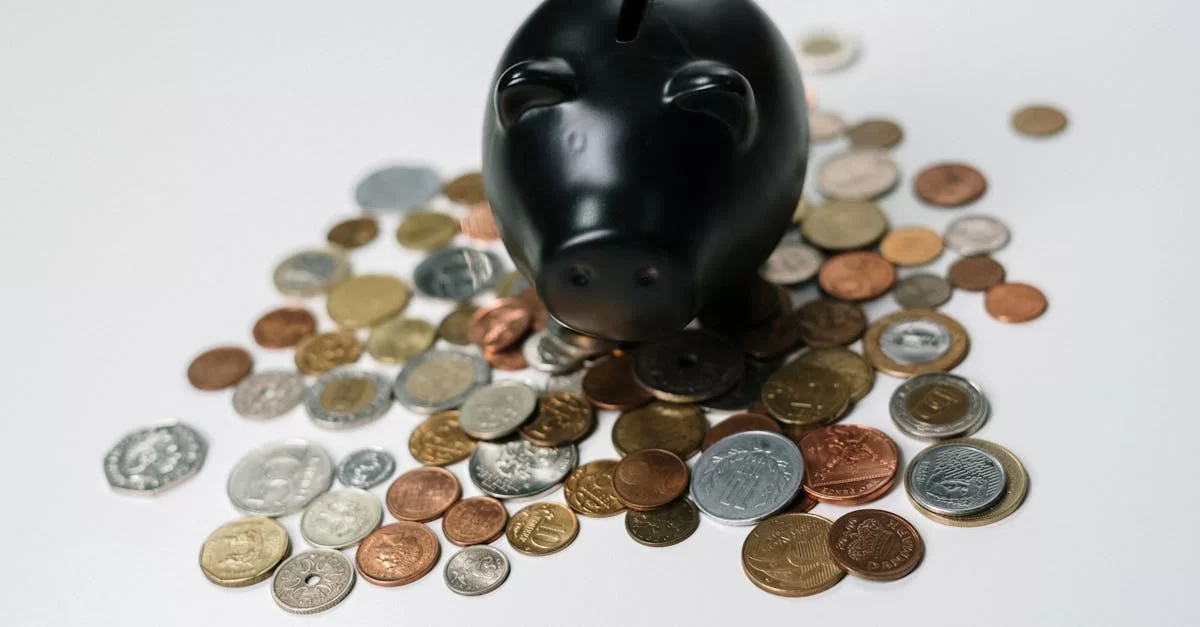
Unlike traditional trade where "money changes hands for goods," in the receive-first-then-pay model, traders play with cash flow like magicians:
- First, sign a sales contract with the downstream buyer and receive payment for the goods.
- Then, use this payment to purchase goods from the upstream supplier.
- Finally, complete the transfer of title to realize a closed loop.
In essence, this model achieves efficient capital turnover through a time difference and a credit chain.
Analysis of Three Core Advantages
1. Zero-Fund Business Startup: Mr. Yao startup company used this model, leveraging a 300,000 deposit to drive a 3 million order, increasing capital turnover by 10 times. 2. Exchange Rate Risk Hedging: During periods of RMB fluctuation, locking in foreign exchange income in advance can effectively avoid exchange losses. 3. Supply Chain Control: The case of Zhongmaoda shows that controlling the payment rhythm can force suppliers to improve delivery punctuality.
Warning of Underlying Risks
Behind the seemingly perfect model lie fatal traps:

- Supply disruption from upstream may lead to "empty check" type defaults.
- Goods quality disputes can trigger a domino effect in the cash flow chain.
- Customs document discrepancies will freeze the entire transaction process.
According to court data from a certain region in 2022, such disputes have an annual growth rate of 67%.
Four-Step Risk Control Strategy
To safely master this "financial balancing act," it is recommended to:
- Select internationally certified suppliers (e.g., holding ISO three-system certification).
- Require downstream buyers to pay a 20%-30% prepayment as a safety cushion.
- Insure against political and credit risks with Sinosure.
- Set up a supervised account in a free trade zone to isolate fund risks.
The Future is Here: Digitalization's Transformation
Blockchain technology is reshaping the rules of the game. Smart contracts can automatically execute "payment upon presentation of documents" clauses, while IoT tracking makes the entire goods flow visible. A pilot project shows that this has reduced transaction dispute rates by 82%.
While you are enjoying the benefits of financial leverage, have you built a risk firewall? Welcome to share your re-export trade practical experience in the comments section, or scan the QR code to get the full version of the re-export trade compliance white paper. Remember: the end of all business models is the precise calculation of risk and return.

Recent Comments (0) 0
Leave a Reply