Mr. Wen has been very troubled lately. His small foreign trade company received an order from Europe, but got stuck at the customs declaration stage – complex documentation requirements, disputes over tariff classification, and sudden inspections and seizures made a smooth delivery precarious. "If only we had a professional agency," his friend's suggestion made him hesitate: Is pure import and export agency service a savior in need, or just a cost-increasing intermediary?
I. Three Core Values of Pure Agency Services

Unlike comprehensive foreign trade services, the pure agency model focuses on the "execution phase," and its value is reflected in:
- Risk Firewall: Mr. Wen chemical export was once returned due to an incorrect HS code. Professional agencies reduced the error rate to 0.3% through pre-classification services.
- Efficiency Accelerator: In an import of mechanical and electrical equipment, the agency compressed the customs clearance time from 5 days to 8 hours through "advance declaration + direct pick-up at ship's side."
- Cost Optimizer: By utilizing the rules of origin in free trade agreements, an importer of Southeast Asian fruits successfully reduced tariffs from 30% to 0%.
II. Five Key Indicators for Choosing Agency Services
The quality of agency services in the market varies greatly. It is recommended to focus on:
- Customs AEO certification level (prioritize advanced certified enterprises)
- Special category operation experience (e.g., cold chain, dangerous goods, etc.)
- Emergency response speed (7x24 hour service is becoming the norm)
- Fee transparency (beware of the "low price to attract customers, then add charges later" trap)
- Data security guarantee (confidentiality agreements must be signed and IT system levels verified)
III. New Agency Models in the Digital Age
With the popularization of the international trade "single window," intelligent agency services are emerging:
- AI document review: automatically identifies 87 types of common document errors
- Blockchain traceability: achieves tamper-proof logistics information throughout the entire process
- Dynamic compliance monitoring: real-time updates on trade control changes in 238 regions worldwide
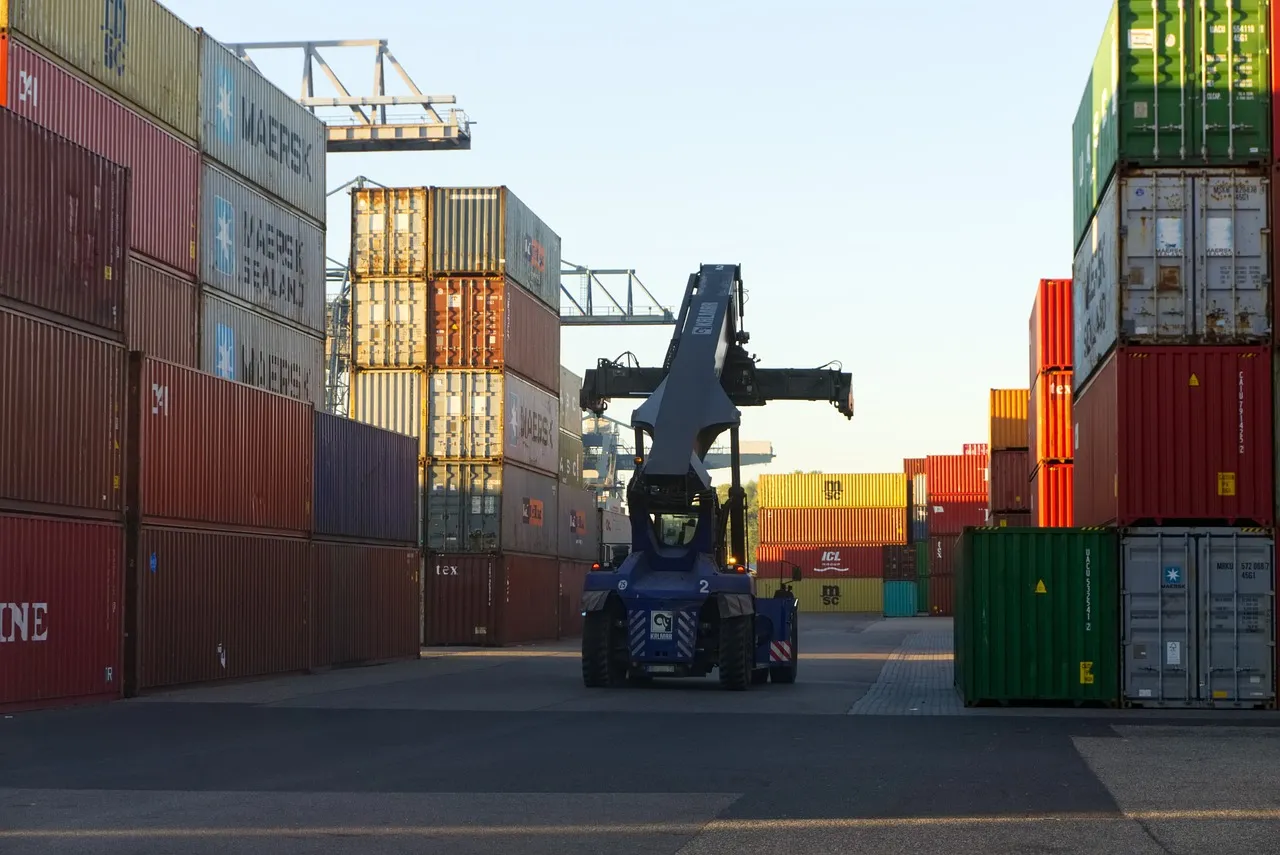
After using the intelligent agency system, a cross-border e-commerce seller's annual compliance costs decreased by 42%, while avoiding 3 potential violations due to policy changes.
IV. The Balance Between Enterprise In-house Operations and Agency
It is recommended to adopt the "Pareto principle" for decision-making:
- Enterprises with annual import and export volumes below 20 million RMB are recommended to outsource entirely.
- Medium and large enterprises can establish a "core category in-house operation + edge business agency" model.
- Outsourcing is preferred for sudden business needs (e.g., emergency demands like exporting epidemic prevention supplies).
It is worth noting that agency fees should not exceed 1.5% of the cargo value. Exceeding this proportion requires re-evaluating the cooperation model.
Conclusion: Let Professionals Do Professional Things
As global trade barriers become increasingly complex, pure agency services have evolved from an "option" to a "must-have." Have you calculated the hidden costs caused by customs clearance delays? Welcome to share your agency service experience in the comment section, or send a private message to obtain the Import and Export Cost Optimization Checklist. In the next issue, we will reveal "How Foreign Trade Enterprises Can Double Their Customs Clearance Speed Through AEO Certification."

Recent Comments (0) 0
Leave a Reply