In the vast realm of import and export foreign trade, tax rebates are a crucial element. They are like a "treasure" hidden within the trade process, waiting to be unearthed by foreign trade companies. Today, let's delve into the topic of import and export foreign trade company tax rebates, providing you with a clear and thorough understanding.
I. What are Export and Import Foreign Trade Company Tax Rebates?
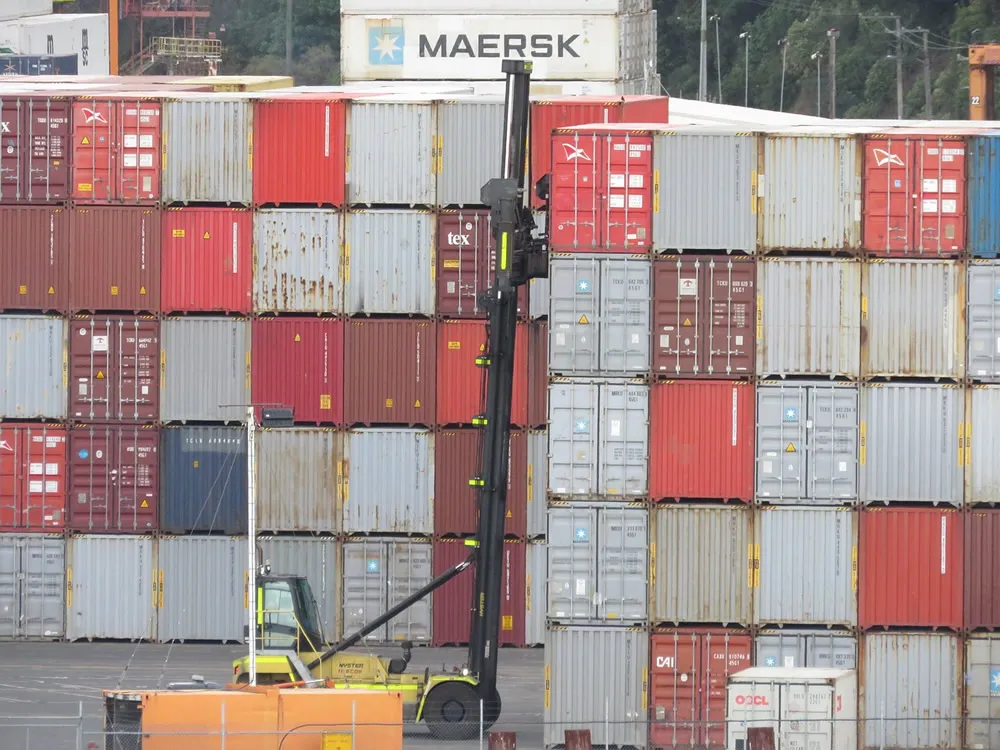
Simply put, export and import foreign trade company tax rebates are a preferential measure granted by the state to encourage foreign trade enterprises to export. This involves refunding the value-added tax, consumption tax, and other relevant taxes and fees that enterprises have already paid during the export process, in accordance with certain policy regulations. This is not a small sum and plays a vital role in the cash flow and profit enhancement of foreign trade companies. For instance, when Zhongmaoda Company exports a batch of goods and pays the corresponding taxes, it can reclaim a portion of these taxes upon meeting the rebate conditions, undoubtedly increasing the company's profit from this transaction.
II. What are the Conditions for Tax Rebates?
- Firstly, the foreign trade company must be a legitimate enterprise with the right to engage in import and export operations. This is the fundamental prerequisite for conducting foreign trade business and enjoying tax rebates, much like needing to qualify for a competition before you can participate.
- Secondly, the exported goods must fall within the scope of tax-rebateable commodities stipulated by the state. Different goods may have different tax rebate policies, so it is essential to check carefully.
- Furthermore, the foreign trade company needs to provide accurate and complete export customs declaration forms, VAT special invoices, and other relevant documentation. These documents are like "passes" proving your eligibility for tax rebates; without them, it won't work.
III. What is the Process for Tax Rebates?
The first step is for the foreign trade company to declare the exported goods within the prescribed timeframe and obtain a legal and valid customs declaration form. This step cannot be taken lightly, as the accuracy of customs declaration information directly impacts the smooth progress of subsequent tax rebates. The second step is to prepare the relevant supporting documents, such as the aforementioned VAT special invoices, ensuring the authenticity and completeness of these documents. The third step is to submit a tax rebate application to the competent tax authority, filling out the application form according to requirements and submitting the relevant materials. The tax authority will then review the submitted documents. Upon approval, they will calculate and refund the corresponding tax amount to the foreign trade company at the stipulated rebate rate. However, the entire process may have a certain time cycle due to various factors, so foreign trade companies need to be patient.
IV. The Significance of Tax Rebates
For export and import foreign trade companies, the benefits of tax rebates are numerous. On one hand, it effectively reduces the company's operating costs and increases profit margins. A portion of the taxes paid can be refunded, which is equivalent to saving expenses. On the other hand, tax rebates also help enhance the competitiveness of foreign trade companies in the international market. In terms of pricing, with the support of tax rebates, companies can appropriately reduce product prices while ensuring their own profits, thereby attracting more foreign customers and expanding market share. Take Zhongmaoda for example, by rationally utilizing tax rebate policies, its business expansion in the international market has become increasingly smooth.
V. Precautions
During the tax rebate process, foreign trade companies also need to pay attention to certain aspects. Firstly, they must constantly monitor changes in national tax rebate policies, as policies are subject to continuous adjustments based on economic conditions and other factors. Failure to stay informed in a timely manner may lead to missing out on certain preferential treatments or not meeting new requirements. Secondly, ensure the standardization and accuracy of documentation. Any minor error can lead to the rejection of the tax rebate application, which would be a loss. Furthermore, it is important to maintain good communication with the tax authorities. If any issues arise during the tax rebate process, seek timely consultation and resolution to ensure a smoother path to tax rebates.
In summary, export and import foreign trade company tax rebates are a very important aspect of foreign trade business, relating to the vital interests and development prospects of enterprises. We hope that all foreign trade practitioners will gain a deep understanding of tax rebate knowledge and fully utilize this policy advantage to ensure their foreign trade endeavors flourish. Do you have any other questions or insights regarding export and import foreign trade company tax rebates? Please feel free to leave a comment in the discussion section.

Recent Comments (0) 0
Leave a Reply