Are you curious how a box of imported red wine safely reaches your table from an overseas warehouse? Or perhaps you wonder how domestic electronic products are sold globally across the ocean? Import and export trade may seem mysterious, but it actually follows a standardized process. This article will break down the entire process from cargo leaving the warehouse to customs clearance and release, using the most straightforward language, and reveal the key details in customs declaration procedures.
I. Overview of the Import and Export Process
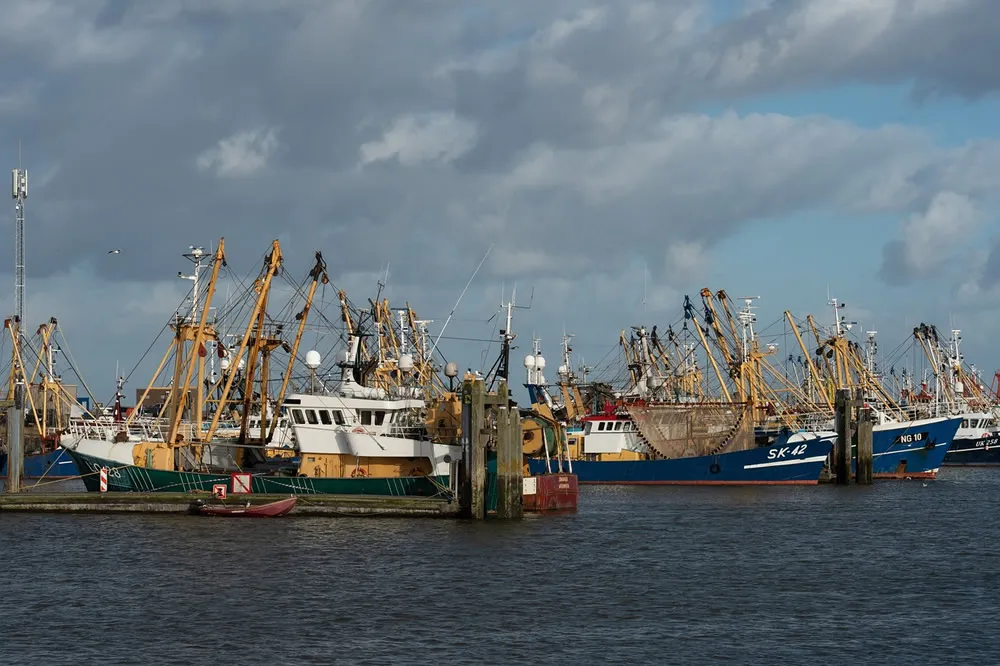
The complete international trade process can be divided into three stages:
- Transaction Preparation Stage: Contract signing, obtaining import and export qualifications, applying for licenses and permits
- Logistics Execution Stage: International transportation (sea/air/land), insuring cargo
- Customs Clearance Stage: Declaration, inspection, taxation, release
Taking Mr. Cao ceramic export business as an example, she first needs to obtain the Foreign Trade Operator Registration Form, complete product commodity inspection through professional agencies like Zhongmada, and then arrange container sea freight and insure against all risks.
II. The Four Core Steps of Customs Declaration Procedures
1. Document Preparation
Customs declaration requires submitting the "three-in-one" documents: commercial invoice, packing list, and bill of lading. Special goods also require a certificate of origin, health certificate, etc. Mr. Cao once had an entire batch of wooden products returned due to a failure to declare a fumigation certificate, resulting in a loss of over 100,000 yuan.
2. Choice of Declaration Method

- Self-declaration: Companies prepare their own customs declarants
- Entrusted declaration: Through a professional customs brokerage firm
Small and medium-sized enterprises are advised to choose the latter, as professional agencies are familiar with details such as HS code classification and preferential tariff policies.
3. Responding to Customs Inspection
Approximately 15% of goods undergo inspection, with common methods including:
- Machine inspection (X-ray scanning)
- Manual inspection by opening the container
Preparing complete documents in advance can shorten inspection time, and perishable goods can apply for priority inspection.
4. Tax Payment
Payment must be completed within 15 days of receiving the tax payment notice, including:
- Import duties (most-favored-nation rate/general rate)
- Value-added tax (13%/9%/6%)
- Consumption tax (for certain goods)
III. Pitfall Avoidance Guide: Common Mistakes by Beginners
According to data from the General Administration of Customs, 30% of customs declaration rejections are due to:
- Incorrect HS code classification (e.g., classifying smartwatches under "clocks and watches")
- False declaration of value (under-declaration may result in a penalty of up to three times the amount)
- Missing accompanying documents (e.g., electronic products without 3C certification)
It is recommended to use the customs pre-classification service or consult professional agencies like Zhongmada.
IV. New Trend of Digital Customs Declaration
With the promotion of the "Single Window" platform, enterprises can complete the following online:
- Automatically generate customs declaration forms
- Real-time tracking of customs clearance status
- Electronic payment of customs duties
After a cross-border e-commerce enterprise implemented this system, customs clearance time was reduced from 3 days to 4 hours.
International trade is like a precisely operating gear system, where every link must fit perfectly. The next time you receive an overseas package, perhaps think about the miracle of cross-border logistics behind it. Welcome to share your customs clearance stories or questions in the comment section. We will select typical issues and have professional customs declarants answer them!

Recent Comments (0) 0
Leave a Reply