"Want to expand into overseas markets but deterred by import/export procedures?" This is the voice of many small and medium-sized enterprise owners. Import/export trade may seem to have high barriers and complex processes, but once key methods are mastered, handling import/export in Langxia can fully become an accelerator for enterprise internationalization. This article will break down the entire process to help you easily overcome trade barriers.
Why Choose Langxia for Import/Export Handling?
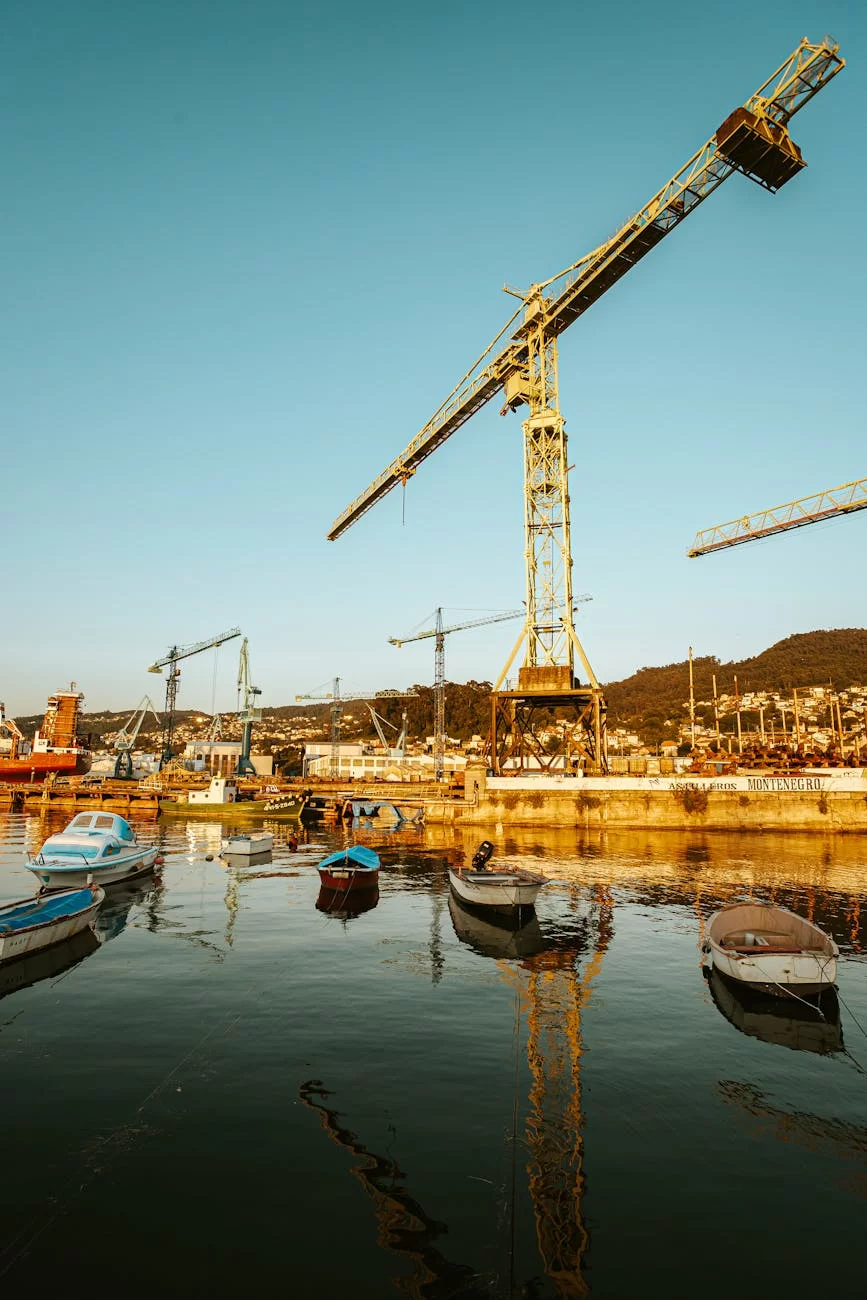
Mr. Pan runs a hardware accessories factory. After completing his first export order through Langxia port last year, he exclaimed: "I originally thought I'd have to visit a dozen departments, but the one-stop service shortened the entire process by 60%." The Langxia area, with its unique geographical advantages and policy support, has become a popular choice for small and medium-sized enterprises for import/export:
- Cost Advantage: Compared to first-tier ports, integrated logistics costs are reduced by 15%-20%
- Efficiency Improvement: Intelligent customs clearance system enables 24-hour electronic declaration
- Professional Services: Third-party service providers offer end-to-end solutions
Master the Entire Langxia Import/Export Process in Four Steps
Mr. Pan case of exporting food additives is quite typical. Through the following standardized process, her company expanded its business to 3 Southeast Asian countries within half a year:
- Qualification Preparation Phase: Complete customs registration + electronic port card application within 3 working days
- Key Points for Document Creation: Standardized templates for 8 types of documents including commercial invoices, packing lists, and certificates of origin
- Customs Declaration Techniques: Accurate HS code classification can reduce inspection rates by 40%
- Logistics Coordination Strategy: Collaborate with certified service providers like Zhongmaoda to achieve door-to-door transportation
Pitfall Avoidance Guide: Three Common Mistakes for Newcomers
According to customs data, 80% of declaration delays stem from basic errors. Pay special attention to:
- Mistakenly using a proforma invoice as a commercial invoice
- Product ingredients not tested in advance according to import country standards
- Ignoring FTA tariff preferential clauses leading to overpayment of taxes
A certain building materials exporter once failed to apply for the ASEAN FORM E certificate, paying an additional 12% in tariffs, a lesson worth millions.
New Ways of Customs Clearance in the Digital Age
With the popularization of the "Single Window" system, 90% of declaration operations can now be completed via mobile phone. The newly launched Intelligent Classification Assistant improves commodity classification accuracy to 98% through AI technology. Enterprises are advised to:
- Establish an import/export digital archive
- Use blockchain technology to trace transaction vouchers
- Pay attention to dynamic updates of new regulations like RCEP
Import/export trade has never been the exclusive domain of large enterprises. As the entrepreneur with an annual export volume exceeding 5 million yuan said: "Handling it in Langxia is like the golden key to opening international markets; the key lies in whether you are willing to take the first step." Are you ready to write your own cross-border story? Welcome to share your customs clearance experience in the comments section.

Recent Comments (0) 0
Leave a Reply