"Mr. Quan company recently received an overseas order, but was forced to abandon the cooperation at the last minute due to a lack of import and export qualifications." Such stories are not uncommon among small and medium-sized enterprises. With the acceleration of globalization, import and export qualifications have become the golden key for enterprises to open up international markets. This article will guide you through a comprehensive understanding of the core points of handling import and export qualifications, help you avoid common traps, and efficiently obtain this "international trade pass."
Why Do Enterprises Need to Handle Import and Export Qualifications?
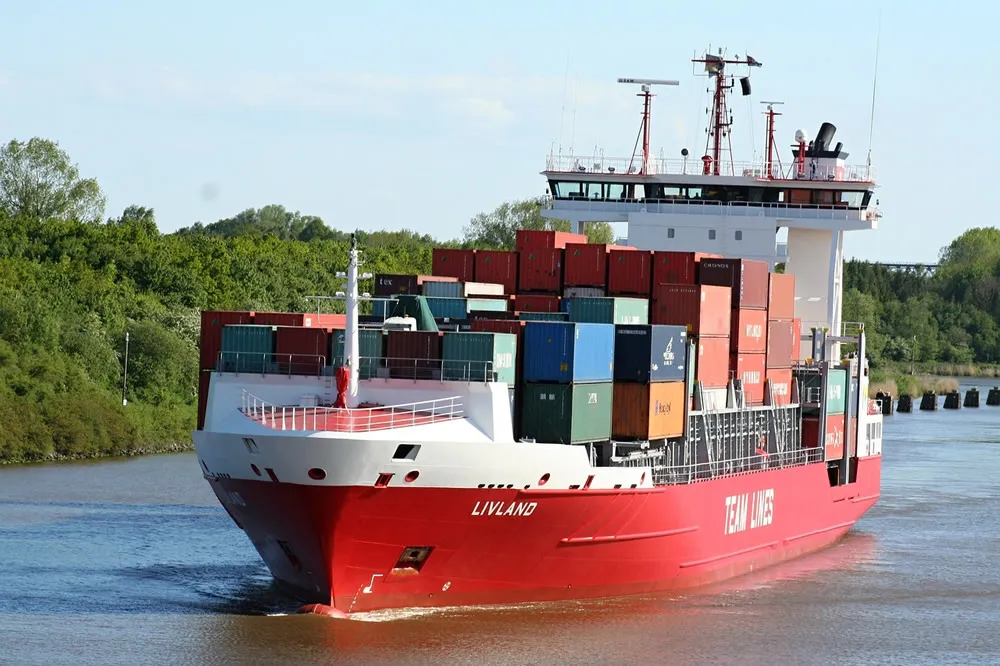
In today's booming cross-border e-commerce and international trade, import and export operating rights are no longer exclusive to large enterprises. Whether it is an individual seller doing cross-border e-commerce through platforms like Amazon, or a traditional manufacturing enterprise, legal qualifications are required to:
- Directly receive foreign exchange payments
- Enjoy export tax rebates
- Handle customs declaration and clearance independently
- Build international brand credibility
After Mr. Quan clothing factory obtained the qualifications last year, not only did export tax rebates save 12% of costs, but it also gained bargaining power to negotiate directly with overseas buyers.
Analysis of the Entire Process of Handling Import and Export Qualifications
The standard handling process usually includes three key stages:
- Business Registration Change Stage: Add "import and export" as the business scope
- Filing and Registration Stage: Customs, Electronic Port, and Foreign Exchange Administration filing
- Qualification Acquisition Stage: Obtain the Customs Registration Certificate for Customs Declaration Enterprises
The entire process takes approximately 15-20 working days, but the actual time may vary depending on the preparation of materials. Zhongmaoda experts remind: 90% of delays are due to incomplete or incorrect materials.
Three Major "Pits" Enterprises Often Fall Into and How to Avoid Them

During the handling process, enterprises are most likely to encounter the following problems:
- Registered capital not meeting the standard (recommended to be no less than 1 million)
- Abnormal office address (requires a real commercial address)
- Business scope lacking the "goods import and export" item
Mr. Wang, a cross-border e-commerce seller, once had his customs filing rejected because he used a residential address for registration, delaying the entire peak season by two months.
The Value of Professional Agency Services
Although enterprises can theoretically handle it themselves, the advantages of professional agencies lie in:
- Familiarity with the latest policy changes in all aspects
- Pre-reviewing materials to avoid repeated revisions
- Simultaneously handling related supporting qualifications
- Providing post-maintenance guidance
Statistics show that enterprises that use professional agencies save an average of 40% of time costs, and the first-time pass rate increases to 95%.
Is Your Enterprise Ready to "Go Global"?
Obtaining import and export qualifications is only the first step towards internationalization. It is recommended that enterprises assess three aspects before applying: product compliance, target market access requirements, and international payment solutions. Start planning your global business map now! If you encounter any questions during the qualification handling process, feel free to leave a message for discussion, and we will select typical questions for professional answers.

Recent Comments (0) 0
Leave a Reply