"Mr. Ji, your goods have been detained by customs again!" The anxious voice of the logistics company came from the other end of the phone. This was already the third time this month. Small business owners like Mr. Ji always feel lost in a maze when dealing with import and export business—documents, taxes, logistics, every link can become a stumbling block. Today, we will use this article to break down the complete import and export process for businesses, helping you avoid detours and earn more.
Step One: Qualification Preparation – Without These, It's "Driving Without a License"
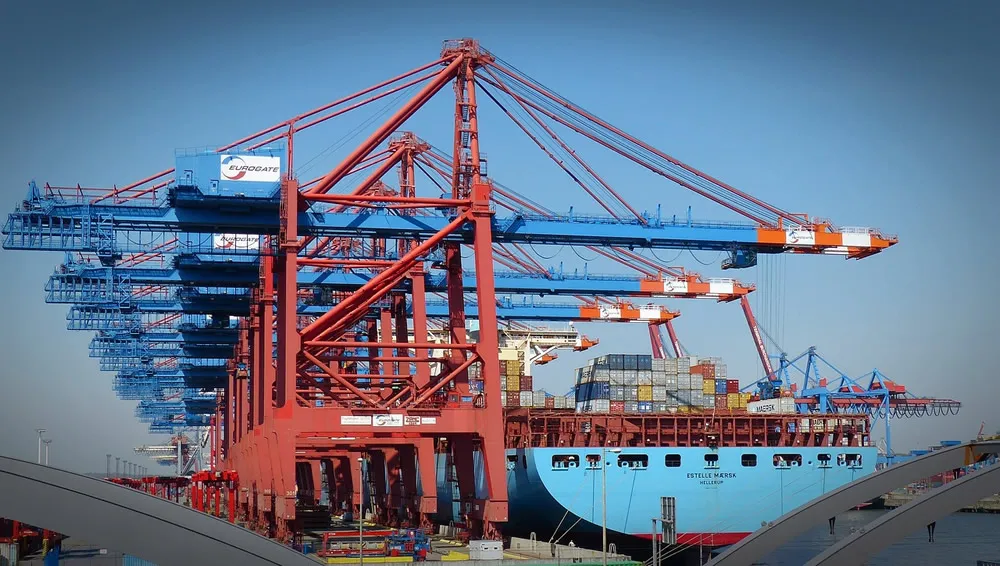
Import and export rights are the passport for enterprises' cross-border trade. Based on Zhongmaoda's many years of service experience, 90% of stalled issues stem from incomplete basic qualifications. You need:
- Business license's scope of business includes import and export operations
- Customs consignee/consignor registration (10-digit customs code)
- Electronic Port IC card (apply on China E-Port platform)
- Registration with the State Administration of Foreign Exchange directory
Mr. Ji garment factory once had overseas payments stranded in its account for 3 months due to a missed foreign exchange registration. Now her advice is: "Contact the local commerce bureau in advance; they will provide the latest checklist for processing."
Step Two: Commodity Compliance – Don't Let HS Codes Become "Time Bombs"
Customs HS codes are like the international ID cards for goods, a 6-digit basic code + a 4-digit domestic additional code, directly determining tariff rates and regulatory conditions. Zhongmaoda once handled a typical case: an enterprise mistakenly classified "graphite electrodes" as "carbon products," resulting in an overpayment of 17% in customs duties.
- Query import and export tariffs through the official website of the General Administration of Customs
- For complex goods, consider advance ruling on classification (available as a paid service from local customs)
- Pay attention to rules of origin under free trade agreements such as RCEP
Step Three: Customs Clearance Practice – These Pitfalls Are Worth Millions
Every number on a customs declaration form relates to real money. We have identified three high-frequency minefields:

- Value Declaration: freight and royalty fees must be included in the dutiable value
- Quantity Unit: chemical products should be declared by net weight, not gross weight
- Accompanying Documents: lithium batteries require a UN38.3 test report
A certain machinery manufacturer was retrospectively charged taxes + fines totaling 820,000 yuan by customs due to undeclared equipment installation guidance fees. Remember: when the declared value falls below the customs big data threshold, it will invariably trigger a valuation review.
Step Four: Tax Optimization – Don't Hand Over Profits Needlessly
Tax planning for cross-border trade is like a chess game. Taking export tax refunds as an example:
- Glass products with a 9% tax refund rate can be increased to 13% if exported directly via cross-border e-commerce B2B
- Processing trade manuals can provide temporary exemption from import VAT
- Enterprises in central and western regions can enjoy "batch entry and exit, centralized declaration" for VAT through integrated free trade zones
It is recommended that enterprises establish a "customs-finance-business" triangular reconciliation mechanism to analyze the matching degree of HS codes and tax refund rates monthly.
Conclusion: Globalization Is Not a Multiple-Choice Question, But a Mandatory One
By the time you finish reading this article, another 37 batches of goods worldwide will have completed cross-border transactions. Import and export business is never the exclusive preserve of large enterprises, but an essential survival skill for all operators. Why not do three things right now: check your business license's scope of business, bookmark the official website of the General Administration of Customs, and leave your most vexing cross-border problem in the comments section—perhaps the next solution lies within the experiences of other readers.

Recent Comments (0) 0
Leave a Reply