Mr. Lu registered a cross-border e-commerce company last month but had his goods detained by customs during his first shipment; Mr. Lu imported chemical raw materials were delayed at the port for two weeks due to missing certificates... These real cases reveal a harsh truth: 90% of new businesses pay a hefty price for not being familiar with import and export processes. This article will break down the 7 essential key procedures for businesses involved in import and export, helping you avoid those "million-dollar" pitfalls.
I. Qualification Preparation Stage

Before dealing with goods, businesses need to complete three basic registrations:
- Customs Registration: Submit materials such as business licenses and legal representative identification through the "China International Trade Single Window" to obtain a 10-digit customs code.
- Electronic Port Card: A USB key used for customs declaration operations, which must be processed at the local Electronic Port Data Center.
- Foreign Exchange Administration Registration: Registration in the directory of enterprises involved in foreign exchange receipts and payments, which must be completed before opening a foreign currency account.
Zhongmaoda import and export experts remind you: The qualification processing period is approximately 15 working days. It is recommended to start immediately after the company is registered.
II. Commodity Compliance Confirmation
Different commodities face vastly different regulatory requirements:
- Food/cosmetics require advance application for an Import Health Permit.
- Medical devices require CFDA registration.
- Products requiring 3C certification must provide a Compulsory Product Certification Certificate.
A certain apparel company once suffered a loss of 370,000 yuan due to the entire shipment being returned because the lead content in the buttons was not detected to be excessive. It is recommended to use an HS code query tool to confirm regulatory conditions in advance.
III. Customs Clearance Practical Operations
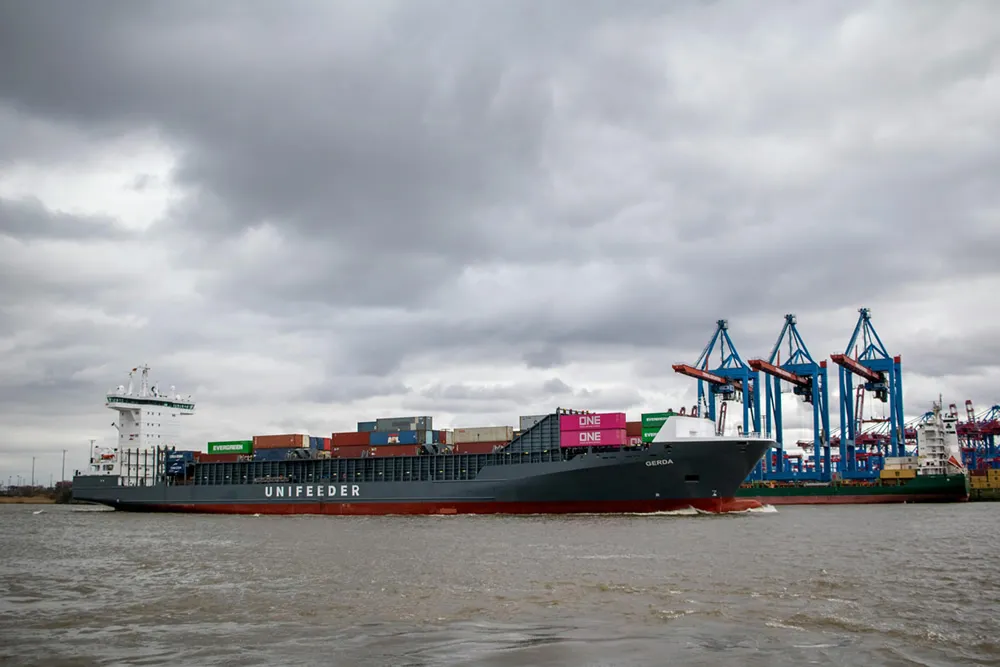
When goods are actually imported or exported, the following should be paid attention to:
- Customs Declaration Form Completion: 8 key data points such as the product name and specifications must be exactly consistent with the physical goods.
- Tax Calculation: A composite calculation of customs duty + VAT + consumption tax. Cross-border e-commerce can enjoy preferential tax rates.
- Inspection and Quarantine: Legal inspection goods require an appointment for on-site inspection. Wooden packaging must have an IPPC mark.
It is recommended that new businesses choose a professional customs agency for their first customs declaration. Zhongmaoda data shows that this can reduce the error rate of declarations by 85%.
IV. Post-Clearance Management Essentials
Completing customs clearance is just the beginning. Businesses also need to establish:
- Document Management System: Documents such as customs declarations and certificates of origin must be kept for more than 3 years.
- Foreign Exchange Settlement System: Export proceeds must be settled within 210 days after the goods are shipped.
- AEO Certification Planning: Authorized Economic Operator (AEO) certified enterprises can enjoy benefits such as extremely low inspection rates.
Your Customs Clearance Accelerator
After Mr. Lu learned to query HS codes independently, her clearance time was reduced from 14 days to 2 days; after Mr. Lu established a standardized document process, his company's annual logistics costs decreased by 23%. Import and export operations are not metaphysics, but decomposable technical actions. What is the biggest challenge your company faces during customs clearance? Share your practical experience in the comments section.

Recent Comments (0) 0
Leave a Reply