When Mr. Hu first tasted the New Zealand Manuka honey brought back by a friend, he never imagined that this bottle of amber liquid would become the starting point of his entrepreneurial journey. "That unique herbal aroma and mellow taste are impossible to find substitutes for in China." Three years later, his warehouse was already piled high with delicacies from the Southern Hemisphere. Today, we will unravel this blue ocean market with an annual growth rate exceeding 20% – New Zealand specialty product import agency. What opportunities and challenges lie within?
Why Have New Zealand Specialty Products Become the New Import Favorite?
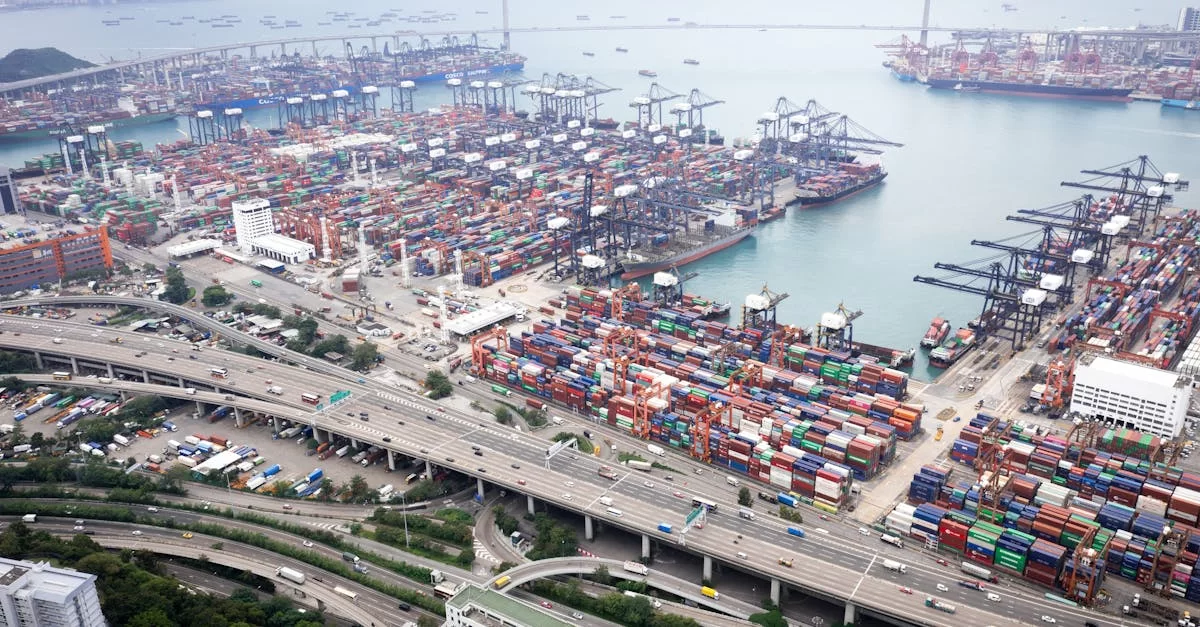
According to customs data, the scale of China's imports of New Zealand food in 2023 increased by 27% year-on-year, with three flagship categories performing particularly outstandingly:
- Manuka Honey: The "liquid gold" created by the UMF antibacterial certification system, with a 300% premium in the high-end health market.
- Grass-Fed Dairy Products: Thanks to the year-round grazing model, the protein content is 15% higher than EU standards.
- Kiwifruit Derivatives: From dried fruit to skincare products, the pursuit of the SunGold IP by Gen Z continues to heat up.
Mr. Hu cross-border e-commerce platform confirmed this: "Consumers are willing to pay a premium for the concept of 'pure New Zealand', especially middle-class families aged 30-45."
The Three Hidden Thresholds of Import Agency
Behind the seemingly beautiful business lie many "bloody lessons" for agents:
- Certification Maze: Export permits from MPI (New Zealand Ministry for Primary Industries), quarantine requirements from Chinese customs, organic certifications... Obtaining complete certifications takes 6-8 months.
- Logistics Trap: Dairy products require a -18℃ cold chain throughout. A single temperature control failure once cost Mr. Wang an entire container.
- Cultural Differences: New Zealand manufacturers value long-term cooperation more. Negotiating with the domestic "price-cutting and order-reducing" model is bound to fail.
The supply chain director of Zhongmaoda revealed: "After we established a direct sourcing center in Christchurch, the quality control efficiency increased by 40%. This is the value of professional agency."
Innovative Strategies of Disruptors
Leading players are reshaping the industry in three ways:
- Storytelling Marketing: Through VR ranch live broadcasts, allowing consumers to witness the entire process from "grass to milk powder" firsthand.
- Customized Services: Developing 200g small-packaged freeze-dried deer antler for boutique supermarkets, addressing high-end customers' "curiosity concerns."
- Digital Traceability: Blockchain technology enables every jar of honey to have its harvest date and beehive GPS coordinates queried.
As one industry insider said: "The essence of selling specialty products is selling a lifestyle, and New Zealand happens to provide the perfect script."
Where Are Your Opportunities?
As the domestic health food market expands at an annual rate of 15%, New Zealand specialty products are shifting from "niche trial" to "regular consumption." Consider:
- Which channels in your city are still undeveloped? Community group buying? High-end gyms?
- Which categories have a knowledge gap? For example, New Zealand mussels have 3 times the Omega-3 content of salmon.
- How to leverage the policy dividends of RCEP? Tariffs will decrease by another 3-5 percentage points starting in 2024.
Standing at the cusp of the pure wind from the Southern Hemisphere blowing towards China, will you be an observer, or will you become the ferryman who brings quality life to consumers? Welcome to share your insights in the comment section.

Recent Comments (0) 0
Leave a Reply