Late at night, at the port, container cranes work like busy steel giants, and cargo ships, laden with goods from around the world, quietly dock. Behind this scene lies a little-known but crucial industry – import and export freight forwarding. They are like the "invisible arteries" of international trade, silently supporting the operation of global supply chains. But with so many choices, how can businesses find the most suitable freight forwarder? This article will take you on an exploration.
Analysis of Popular Import and Export Freight Forwarding Regions Worldwide
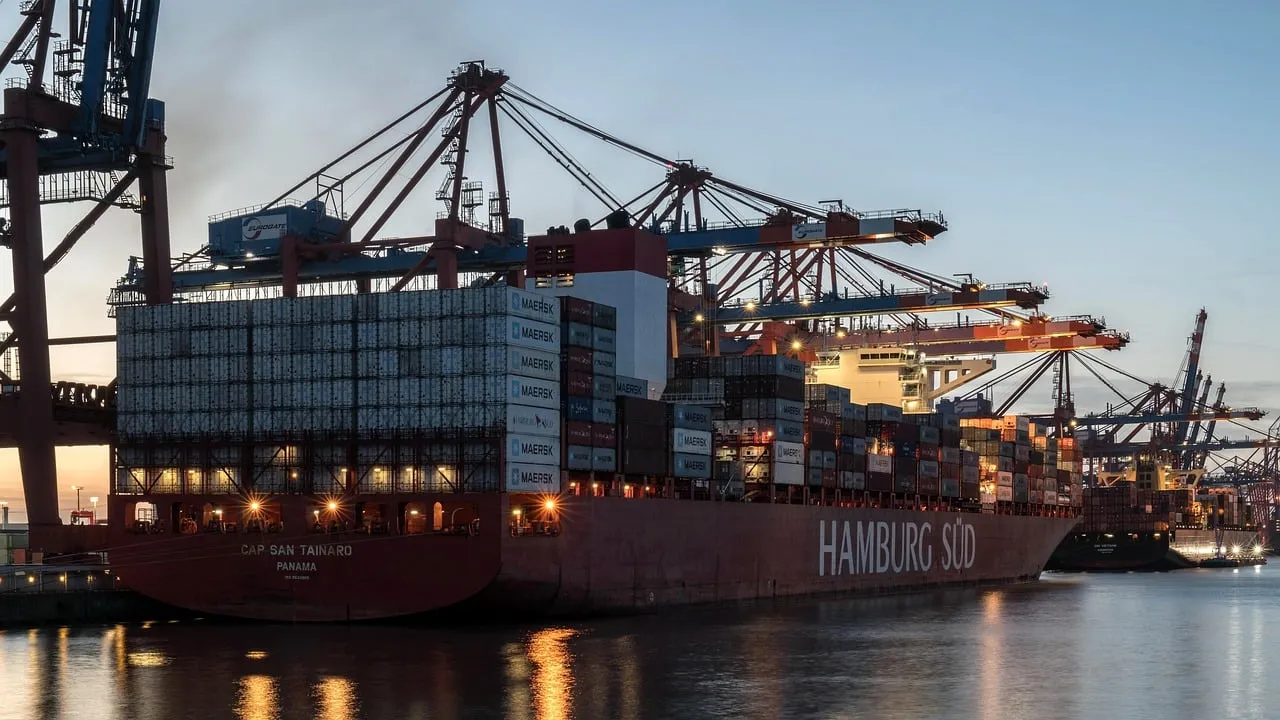
Freight forwarders in different regions have their unique characteristics. Understanding these differences can help businesses make more informed choices:
- Asian Hubs: Represented by Hong Kong and Singapore, these hubs boast mature free trade policies and multilingual service teams, particularly suitable for high-value, time-sensitive cargo.
- European Gateways: Forwarders in Rotterdam and Hamburg are proficient in the complex regulations of the European Union, offering unique advantages in document handling and tariff optimization.
- American Nodes: Forwarders in Los Angeles and Miami are familiar with the North American Free Trade Agreement and can provide businesses with door-to-door cross-border logistics solutions.
Five Golden Rules for Selecting a Freight Forwarder
Mr. Xu, who runs a cross-border e-commerce company, shares his practical experience in selecting forwarders:
- Network Coverage: Does the forwarder's global network cover your target markets?
- Professional Qualifications: Do they possess internationally recognized qualifications such as AEO certification?
- Crisis Management: During the pandemic, forwarders who could quickly adjust routes proved to be true strengths.
- Technological Capability: Real-time tracking systems are now standard, not a bonus feature.
- Hidden Costs: Beware of "traps" with low quotes that hide additional fees.
Zhongmaoda's Differentiated Service Practice
Among many service providers, Zhongmaoda stands out with its unique "3D Service Model":
Digital: Customers can complete 80% of the operational processes via a mobile app, reducing customs declaration document processing time by 60%. Mr. Xu feedback: "The HS code classification, which used to be the most troublesome, is now automatically recognized by the system with an accuracy rate of up to 95%."
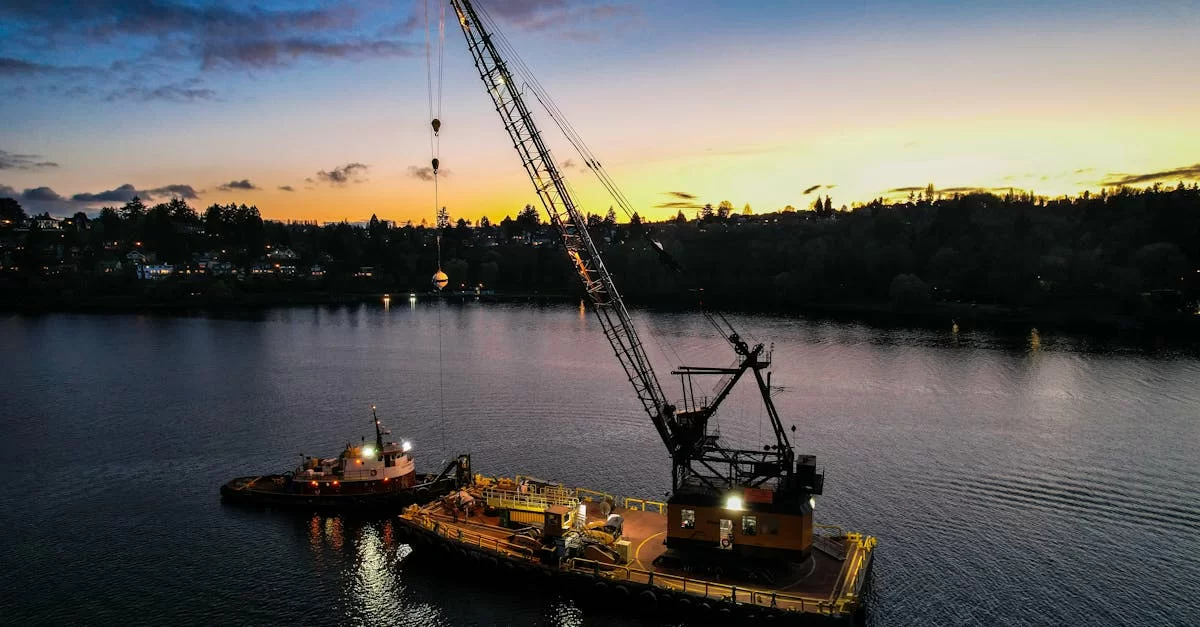
Dedicated: Each client is assigned a fixed service team, avoiding repeated communication costs. One account manager once personally drove 200 kilometers to coordinate customs clearance for urgent cargo.
Dynamic: The "multi-port alternative solution" innovatively launched during the pandemic helped clients avoid over 80% of transportation delays.
The Future is Here: New Trends in the Freight Forwarding Industry
With the popularization of blockchain technology, the processing time for freight documents is expected to be reduced from days to minutes. Under the goal of carbon neutrality, green logistics solutions are becoming a new competitive advantage. An industry insider predicts: "In the next three years, forwarders that can provide full carbon footprint tracking will gain a premium of over 20%."
Your Choice Determines Supply Chain Resilience
In this era of uncertainty, choosing a freight forwarder is no longer just about comparing prices and transit times, but a strategic decision to build corporate supply chain resilience. Can your current forwarder meet the emergency needs under unforeseen circumstances? Welcome to share your unique experiences in cross-border logistics, and let us explore smarter global trade solutions together.

Recent Comments (0) 0
Leave a Reply