“On Mr. Yun dressing table, 70% of skincare products are from overseas brands.” This is not an isolated case. With consumption upgrading and the rise of 'ingredient-conscious' consumers, the imported cosmetics market is growing at an annual rate of 15%. However, facing complex regulations, high tariffs, and fierce competition, is cosmetics import agency a golden opportunity or a risk trap? This article will uncover the industry's truth.
I. Three Core Advantages of the Agency Model
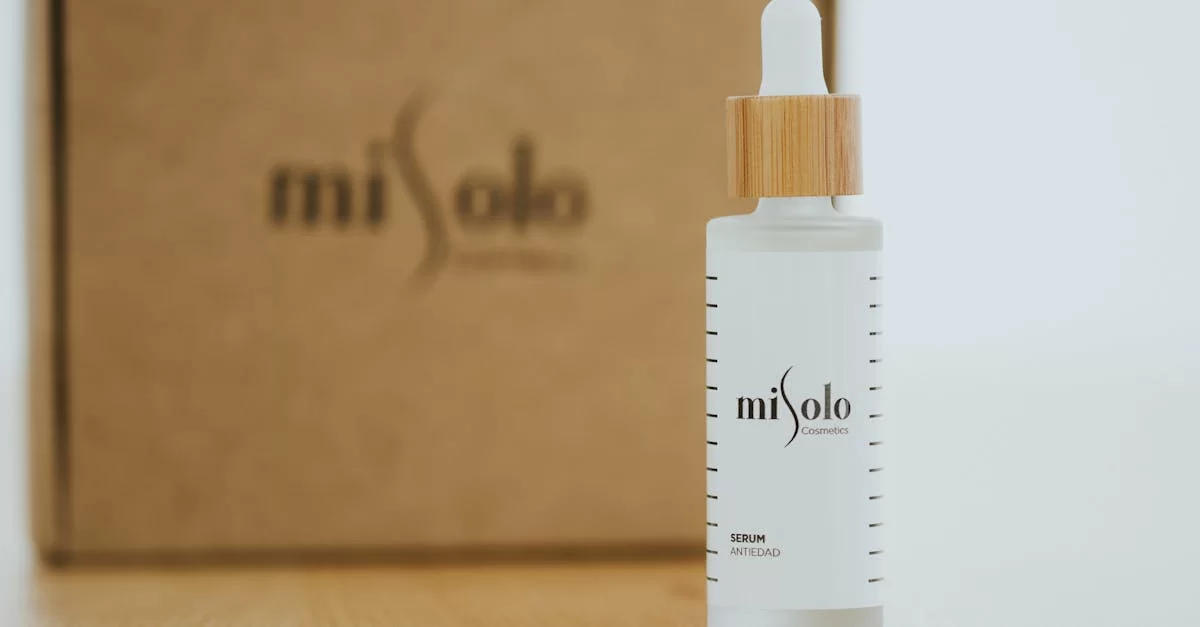
Compared to traditional cross-border e-commerce, professional agencies can provide more comprehensive solutions:
- Regulatory Customs Clearance Fast Track: From FDA certification to Chinese label filing, a professional team can shorten approval time by 30%
- Cost Control Advantage: Bulk purchasing enjoys tiered discounts from brands, and integrated logistics and warehousing reduce marginal costs
- Localized Operation Support: Offering value-added services such as market research and marketing planning to address market adaptation challenges
II. Pitfall Avoidance Guide: Three Major Minefields for Newcomers
Mr. Yun once represented a niche European brand but suffered heavy losses due to overlooking these details:
- Qualification Traps: Some brands have overlapping regional agency authorizations; the original authorization chain must be verified
- Ingredient Compliance Risks: For instance, products with a "quasi-drug" label from Japan require additional approval for special-use cosmetics
- Inventory Turnover Black Hole: Makeup SKUs are vast in number, and the disposal price for slow-moving items often falls below customs duty costs
III. Future Trends: From Agency to Ecosystem Co-creation
Leading players have already begun to transform:
1. Data-Driven Product Selection: Identifying potential hot-selling items through social media buzz analysis; a certain amino acid cleanser bestseller was discovered this way
2. C2M Reverse Customization: Collecting domestic consumer demands to prompt overseas brands to develop Asia-specific versions
3. Omnichannel Empowerment: Integrating duty-free shops, cross-border e-commerce, and general trade systems to achieve inventory linkage
Where Are Your Opportunities?
This multi-billion-dollar market is still in a reshuffling period. Will you choose to steadily work as a secondary agent for established brands, or bet on emerging categories to achieve an overtake? Welcome to share your insights in the comment section. Leave the four characters 'Industry Report' to get the latest white paper on imported cosmetics consumption.

Recent Comments (0) 0
Leave a Reply