When Mr. Lu first tried to import truffle chocolates from France, he thought paying for the goods was all that was needed. It wasn't until customs notified him to pay an additional 42% in tariffs and 30,000 yuan in late declaration fees that he realized – declaring imported food to customs is never a simple matter of "paying and releasing." Today, we will break down the customs clearance rules of this trillion-dollar market.
Why Do 90% of Imported Foods Require Professional Agents?
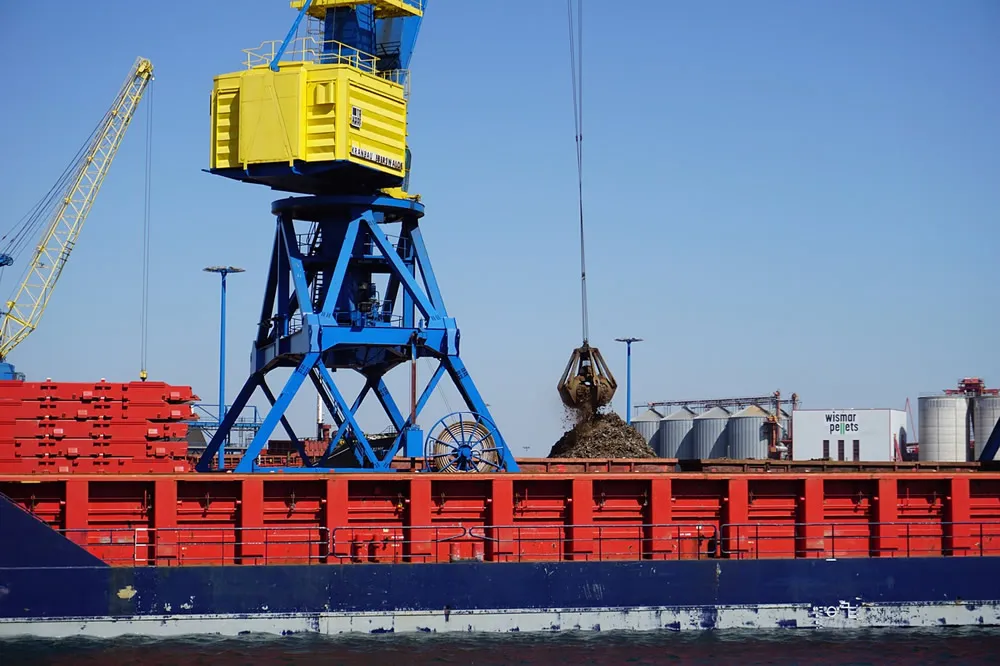
Data from the General Administration of Customs shows that from January to June 2023, a total of 1,362 batches of unqualified imported food were returned nationwide. Mr. Lu experience is quite representative: her imported Japanese matcha powder was detained at the port for 27 days due to the lack of a certificate of origin radiation detection, resulting in storage fees higher than the value of the goods.
- Policy Barriers: Infant formula requires formula registration, and meat requires quarantine access lists.
- Technical Thresholds: Nutrition label conversion, additive compliance determination.
- Time Risks: A one-day delay in customs clearance for fresh food can lead to a 15% spoilage rate.
3 Core Values of Professional Agents
A manager at Zhong Maoda Customs Broker revealed that their clients save an average of 19% in overall costs, with the secret lying in:
- Accurate HS Code Classification: Truffle paste classified under 2003.90 enjoys a 5% tariff, while misclassification under 2008.99 incurs a 15% tariff.
- Pre-screening of Supporting Documents: Australian beef requires the simultaneous provision of a health certificate, quarantine permit, and manufacturer's filing number.
- Special Channel Application: Chilled salmon can be cleared within 6 hours through the "fresh produce green channel."
Beware of These Customs Declaration "Pits"
A cross-border e-commerce platform was once required to pay back taxes for three years due to declaring "modified milk" as "yogurt." Common pitfalls include:
- Chinese labels not displaying mandatory markings such as "irradiated food" or "genetically modified."
- Using obsolete standards (e.g., GB 5413-2010 replacing GB 5413-1997).
- Ignoring the rules of origin under free trade agreements (e.g., Malaysian palm oil under RCEP can enjoy zero tariffs).
When Should Your Import Business Seek an Agent?
When the following signals appear, it indicates that you are paying "tuition fees":
- Every customs declaration requires supplementary materials.
- Tariff fluctuations for the same category of goods exceed 3 percentage points.
- More than 20% of goods require inspection.
Take a test: If you are unsure of the difference between the "Single Window" and "Electronic Agent Customs Declaration Authorization," perhaps it's time to consider professional support.
Customs Clearance is Not the End, but the Beginning
When that batch of French chocolates finally completed customs clearance, Mr. Lu calculated: the agent fee was 8,000 yuan, but the saved tariffs and late declaration fees exceeded 60,000 yuan. In the trillion-dollar race of imported food, professional customs declaration is like a goalkeeper on a football field – usually unseen, but a lifesaver at crucial moments. What is your customs clearance story? Feel free to share your "hard-learned lessons" or "brilliant moves" in the comment section.

Recent Comments (0) 0
Leave a Reply