When Mr. Tang received a chocolate package purchased overseas, he was informed by the courier that he needed to pay nearly 30% in additional customs duties, which greatly surprised him. Like Mr. Tang, many consumers are unaware that behind the price tags of imported foods on shelves lies a complex customs declaration and tax rate system. Today, let's unveil the mystery of food import tax rates.
I. Basic Framework of Food Import Tax Rates
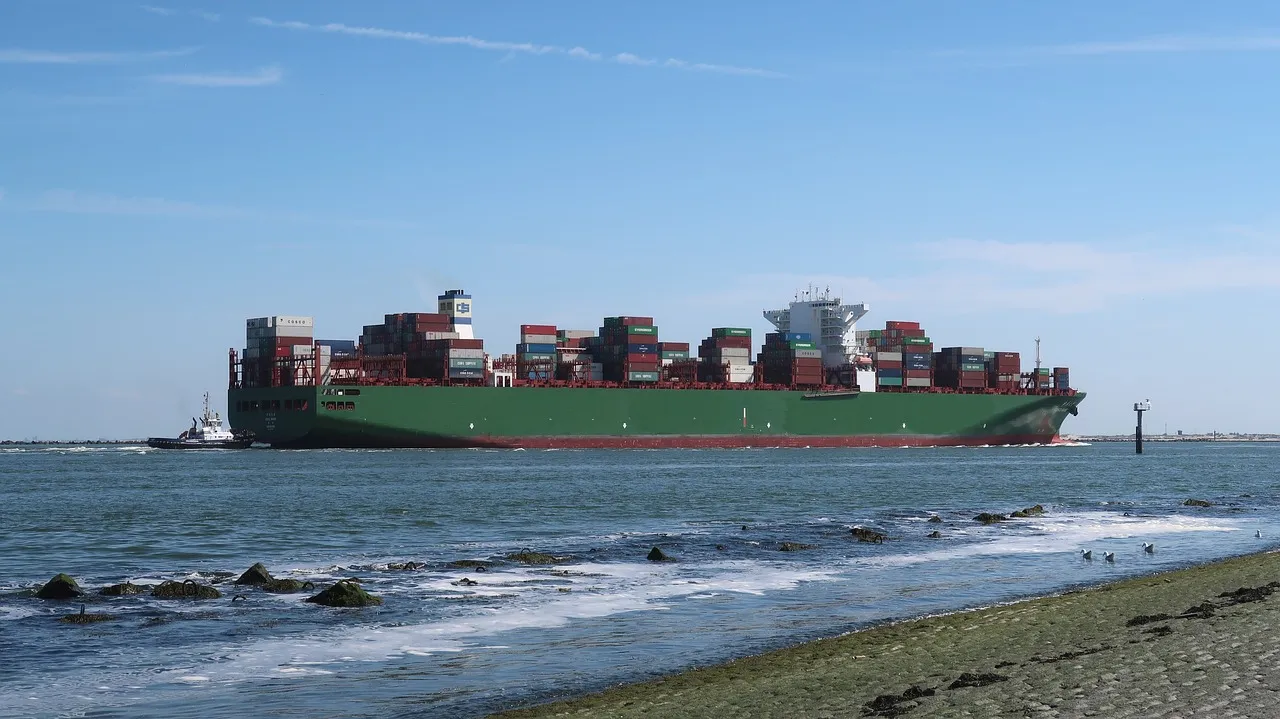
Our country implements a composite tax system for imported food, which primarily includes:
- Tariffs: ranging from 0%-65% (Most-Favored-Nation rate)
- Value-Added Tax (VAT): 9% or 13% (distinction between fresh/processed food)
- Consumption Tax: for specific categories such as alcoholic beverages
Taking imported steak as an example, the combination of 12% tariffs + 9% VAT means that for every 100 yuan of goods value, 21 yuan in taxes must be paid. Zhongmaoda customs experts point out: "Tax rate differences mainly depend on the HS code classification of food, which requires precise judgment by professional customs declarants."
II. Five Key Factors Affecting Tax Rates
1. Rules of Origin: zero tariffs can be enjoyed under free trade agreements, such as ASEAN fruits
2. Degree of Food Processing: tax rates for fresh produce are generally lower than for deeply processed foods
3. Annual Quotas: tariff quota management is implemented for sensitive goods such as infant formula

4. Special Regulatory Policies: cross-border e-commerce can enjoy tax exemption within specified limits
5. Trade Remedy Measures: anti-dumping duties may double the tax rate
III. Comparison Table of Common Food Tax Rates
- Infant Formula: Tariff 5% + VAT 9%
- Wine: Tariff 14% + VAT 13% + Consumption Tax 10%
- Frozen Seafood: Tariff 7% + VAT 9%
- Chocolate: Tariff 8% + VAT 13%
It is worth noting that, tax rates for the same product in different forms can vary by more than 20%. For example, fresh apples have a 10% tariff, while dried apples reach 30%.
IV. Three Major Suggestions for Compliant Declaration
1. Check the latest tariff regulations in advance via the General Administration of Customs website
2. Prepare complete documents such as certificates of origin and health certificates
3. Consider reducing tax costs through bonded zone warehousing
Zhongmaoda cases show that a certain enterprise, by optimizing its declaration categories, reduced the import tariff rate for olive oil from 34% to 19%.
V. Future Trends in Tax Rate Changes
As agreements such as RCEP deepen, it is expected that more food tariffs will be reduced to zero in the next 5 years. However, environmental requirements may lead to additional taxes on high-carbon foods, which is a long-term trend that importers need to pay attention to.
After reading this, next time you buy imported food, will you take an extra look at the origin label? Feel free to share your "tariff shock" experiences in the comments section or consult us about customs clearance issues you encounter when importing food.

Recent Comments (0) 0
Leave a Reply