"Mr. Lang" has been in a state of distress recently – high-precision instruments worth 2 million yuan were temporarily detained by Ningbo Customs due to mismatched declarations, incurring storage fees of 5,000 yuan per day. Foreign traders like him are not isolated cases: in 2023, the number of re-exported cargo batches at the port of Ningbo increased by 17% year-on-year, with "documentation issues," "non-compliant labeling," and "quarantine risks" emerging as the three major pitfalls. How to efficiently and compliantly complete re-exports? This guide might help you avoid detours.
I. Re-export ≠ Abandonment: These Situations Allow for Agent-Assisted Re-export
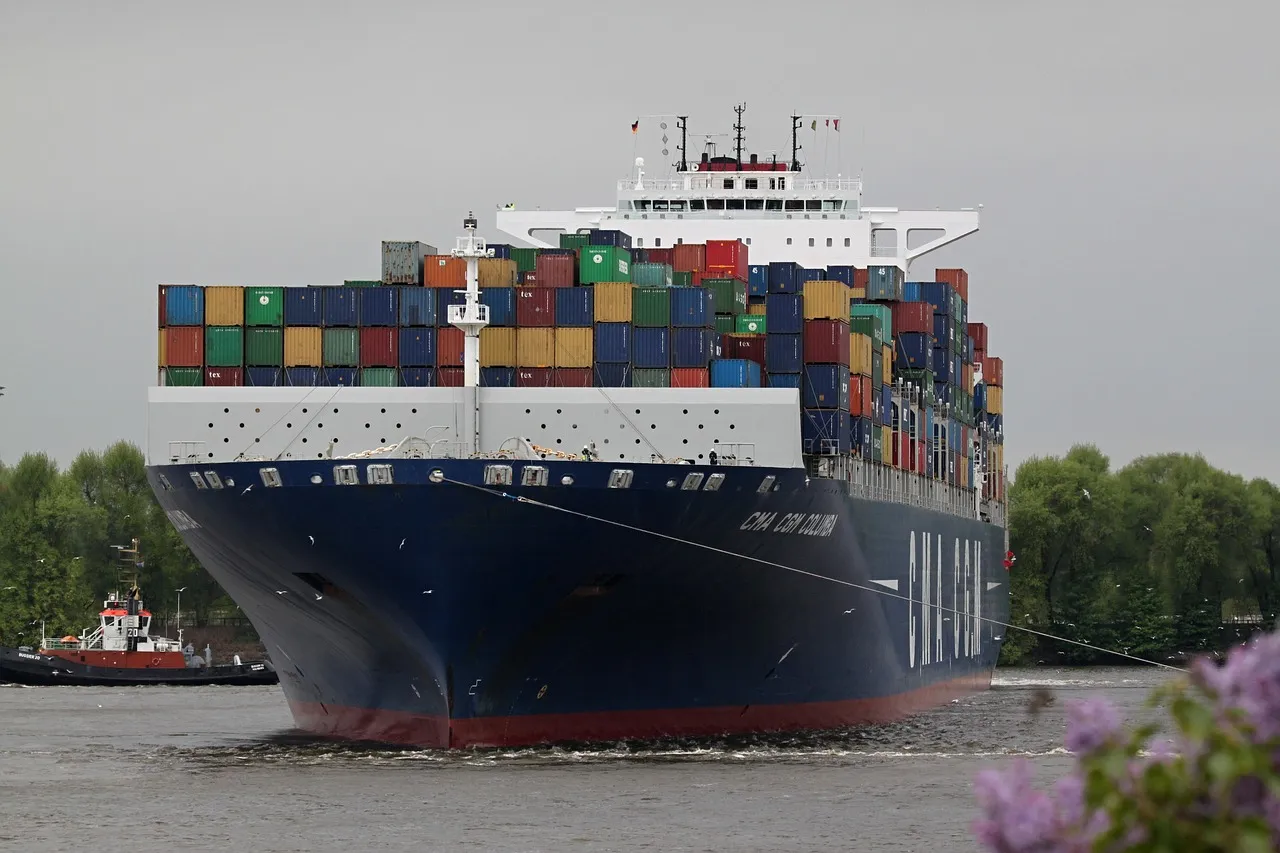
Re-exports handled by Ningbo Customs are divided into two forms: batch re-export and partial re-export, with common applicable scenarios including:
- Cargo quality issues (e.g., damage to core components of mechanical and electrical products)
- Commercial disputes (buyer refuses to accept and has not completed import procedures)
- Missing documents (e.g., certificate of origin, 3C certification)
It is worth noting that duties paid on goods eligible for re-export can be refunded, but the application must be submitted within 1 year after release. Zhongmaoda's case library shows that 83% of failed re-export cases stem from missing deadlines. Zhongmaoda
II. Pitfall Avoidance Guide: 4 Key Actions of Re-export Agents
Professional agencies typically resolve crises in four steps:
- Pre-inspection Diagnosis: Quickly pinpoint declaration flaws through HS code review
- Evidence Chain Completion: Assist in organizing foreign inspection reports, sales agreements, etc.
- Customs Communication: Develop technical rectification plans for quarantine-related issues
- Logistics Tracking: Coordinate with shipping companies to prioritize re-export cabin space
Mr. Lang food additives were detained due to incorrect ingredient labels. The agency, by expediting label reprinting within 72 hours and obtaining pre-approval from customs, ultimately prevented the entire container from being destroyed.
III. Cost Control: Hidden Expenses More Expensive Than Shipping Fees
The total cost of re-export often exceeds expectations, primarily comprising:
- Port detention fees (fees at Ningbo port escalate from the 8th day onwards)
- Late declaration fees (0.05% of the dutiable value per day, capped at 50% of the tax amount)
- Technical processing fees (for the harmless disposal of quarantine-non-compliant goods)
Experience shows that controlling the re-export cycle within 15 days can save over 60% in costs compared to passive waiting. An automotive parts company, by entrusting an agent in advance, successfully compressed the re-export duration from 38 days to 9 days.
IV. Special Reminder: Do Not Cross These Red Lines
Ningbo Customs is currently strictly investigating two types of high-risk operations:
- Disguising prohibited import goods as re-exportable commodities
- Smuggling used equipment under the guise of "re-export"
The "Re-export Traceability Mechanism", newly implemented in 2024, requires the provision of a complete overseas consignee confirmation letter. Fabricating trade backgrounds will risk credit downgrades.
Is Your Cargo Suitable for Re-export?
When a customs detention notice suddenly arrives, panicked decisions can amplify losses. It is advisable to first make a three-step judgment: 1) Check if the actual condition of the goods meets the re-export criteria; 2) Calculate the various costs within the time window; 3) Assess the cooperation level of the overseas buyer. Entrusting professionals with professional matters might be the most efficient loss-mitigation solution.
What challenging issues have you encountered during the re-export process? Feel free to share your experiences in the comment section. We will select 3 readers to receive a free re-export plan diagnosis.

Recent Comments (0) 0
Leave a Reply