At a late-night wine tasting, Mr. Mao gently swirled the Bordeaux dry red in his crystal glass, the liquid refracting an amber glow under the lights. "When I invested in this field three years ago, my friends all thought I was crazy," he said with a smile, taking a sip. "Now they're all asking how to get in." This perhaps explains why importing red wine trading agencies are becoming a golden track for new investors – as traditional industries struggle for growth, this field, blending cultural taste with commercial value, is quietly rising at a rate of 15% annually.
Three Core Advantages of the Industry's Blue Ocean
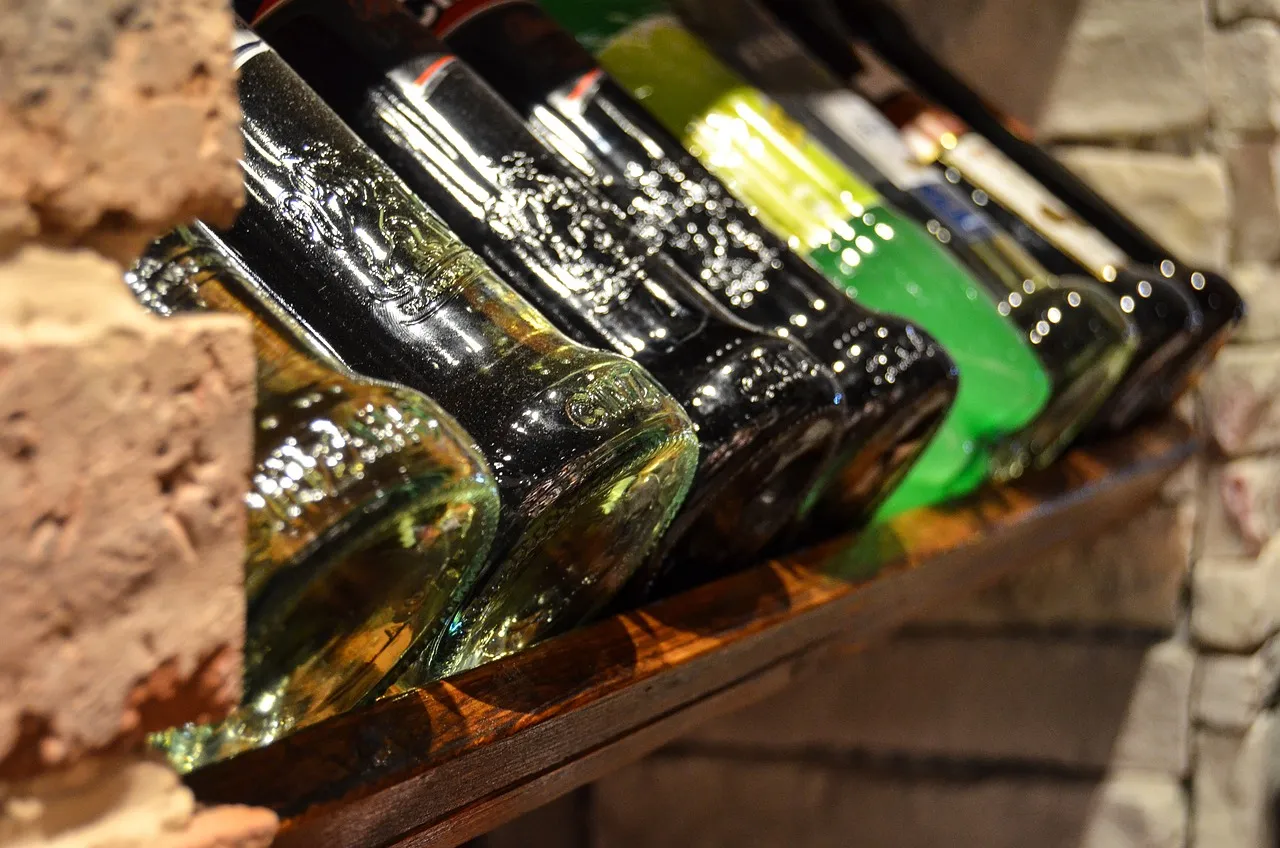
Unlike the highly concentrated baijiu market, the imported red wine market exhibits a distinct long-tail effect. Mr. Mao case is quite representative: the niche wineries from Slovenia she represents, through precise targeting of urban new middle-class consumers, saw monthly sales leap from 200 bottles to 2000 bottles within two years. Behind this explosive growth are three opportunities brought about by consumption upgrade:
- Diversified Demand: Post-90s consumers are more willing to try distinctive wines from non-mainstream regions.
- Large Premium Space: High-quality red wines can appreciate by 8%-12% annually.
- Channel Flattening: Cross-border e-commerce breaks the regional monopoly of traditional wine merchants.
Four Advanced Paths for Agency Models
Zhongmaoda's market research shows that successful agents often adopt a combination strategy. Novice players can start with regional exclusive agency, while experienced operators excel at using "futures + spot" arbitrage models. It is worth noting that with the increasing penetration of live-streaming e-commerce, a new approach has emerged:
- Asset-light Operation: Signing flexible supply agreements with overseas wineries.
- Cultural Marketing: Cultivating a loyal customer base through tasting events.
- Warehousing Finance: Providing constant temperature warehousing + pledge financing services.
- Data-driven Product Selection: Utilizing customs data to track popular wine models.
Five Key Points to Avoid Risks
At an industry exchange meeting, three agents unanimously mentioned the jargon "tuition wine" – referring to the high cost of stocking goods due to a lack of professional knowledge. To avoid these hidden reefs, special attention must be paid to:
- Beware of "En Primeur traps"; always verify winery qualification documents.
- Include 23% tariffs and value-added tax when calculating comprehensive costs.
- Establish professional warehousing; temperature fluctuations exceeding ±2℃ will affect wine quality.
- Stay updated on regulations for the registration and management of overseas producers of imported food.
- Purchase product liability insurance to transfer transportation risks.
The Future is Here: Are You Ready?
When a century-old winery in Italy begins accepting Bitcoin payments, and AI wine selection algorithms achieve an accuracy rate exceeding 80%, this ancient industry is undergoing unprecedented transformation. Perhaps it's best to conclude with the annotation from Mr. Mao wine economics textbook: "True opportunities always belong to those who translate cultural understanding into commercial acumen." Do you also have a memorable wine tasting photo in your phone's album? That might just be destiny's hint to you.

Recent Comments (0) 0
Leave a Reply