Late at night on the Bund in Shanghai, Mr. Cao swirls the French Bordeaux in his glass, showcasing the arc of the wine's legs to a client. This bottle, priced at 2888 RMB, is the twelfth imported brand he represents, with sales of over 20,000 bottles for this single product last year. "Chinese consumers are willing to pay for quality, but they crave the stories behind it even more." This statement reveals the wealth code of the imported red wine agency industry.
Why is Now the Best Time to Enter?
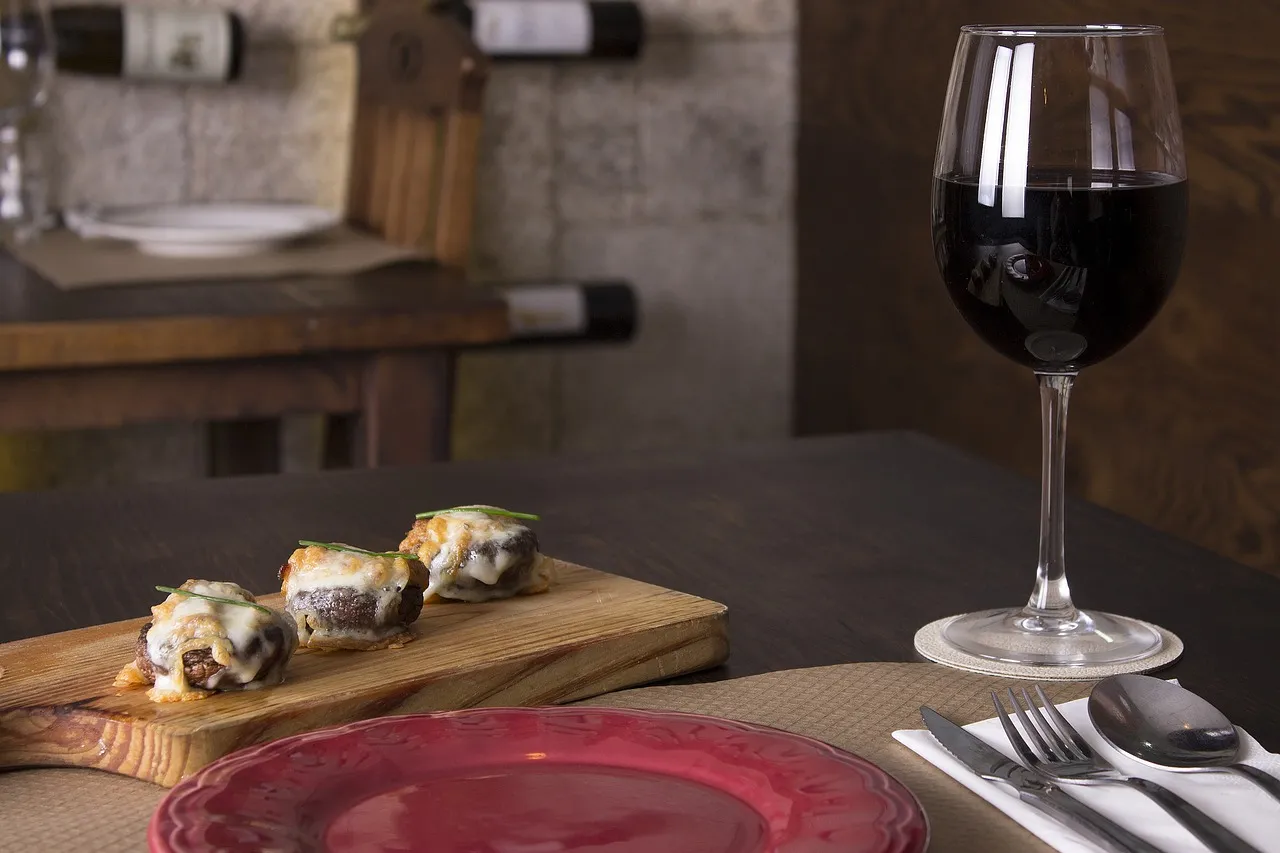
Customs data shows that in the first half of 2023, wine import volume increased by 17% year-on-year, with the 200-800 RMB price segment growing the fastest. Mr. Cao product selection list confirms this trend: "The Reserve Cabernet Sauvignon from a Chilean winery sold out within three months of arrival, with dealers in second and third-tier cities proactively offering a 5% premium to secure allocations." The dual dividends of consumption upgrades and channel deepening are reshaping the industry landscape.
- Quality Awakening: Consumers are shifting from "packaging for gifts" to "region for personal consumption."
- Scene Expansion: Wedding banquets are shifting from baijiu to red wine, with annual consumption surging by 40%.
- Mature Supply Chain: Zhongmaoda's constant temperature storage system has reduced transportation losses to 1.2%.
The Triple Evolution of Agency Models
The traditional "inventory-push" agency model is no longer sustainable. The lesson learned from a northern agent's 3 million RMB inventory backlog serves as a warning: a dynamic response mechanism must be established. Three emerging cooperation models are on the rise:
1. Custom Co-branding: Jointly developing China-exclusive models with overseas wineries. A Yunnan tea merchant incorporated Pu'er tea elements into the label design, achieving a 30% premium.
2. Data Revenue Sharing: Through a QR code traceability system, wineries and agents share real-time terminal sales data.
3. Experiential Marketing: A "mobile wine cellar" pop-up store opened on Chunxi Road in Chengdu converted over 600 members in a single day.
Avoid These Three Fatal Traps
While witnessing peers build grand establishments and host lavish banquets, one must also be wary of the risk of collapse. Industry veterans have identified three major pitfalls:
- Documentation Trap: A "grey market" case investigated in a bonded zone led to the revocation of licenses for five agencies.
- Exchange Rate Black Hole: Failing to hedge against Euro fluctuations resulted in an unexpected 22% increase in the cost of a batch of goods.
- Cultural Misinterpretation: Directly translated wine names have caused embarrassment, such as the public relations crisis triggered by the Italian wine "Bitch."
The Next Five Years: Who Will Be Eliminated? Who Will Thrive?
As post-95s begin collecting Burgundy Grand Crus, and AI wine selection algorithms achieve an accuracy rate exceeding 85%, this industry is undergoing profound transformation. "The ultimate value of an agent is to become a cultural translator." As indicated in Zhongmaoda's latest industry white paper: only players who can continuously create consumption scenarios and build emotional connections will be qualified to share in this hundred-billion-level wine feast.
Interaction at the end of the article: Where do you think the next trend for imported red wine agencies lies? Feel free to share your observations in the comments section.

Recent Comments (0) 0
Leave a Reply