“When doing foreign trade, do you have to directly connect with end customers?” Mr. Dai put down his coffee and pointed to a set of data on the computer screen, saying, “Last year, through re-export trade, our profit margin was 15% higher than direct sales.” This “intermediate link,” often overlooked by many companies, is becoming the hidden winner in global trade. Today, let's unveil the three core advantages of re-export trade.
I. Why Are Smart Businesses "Taking Detours"?
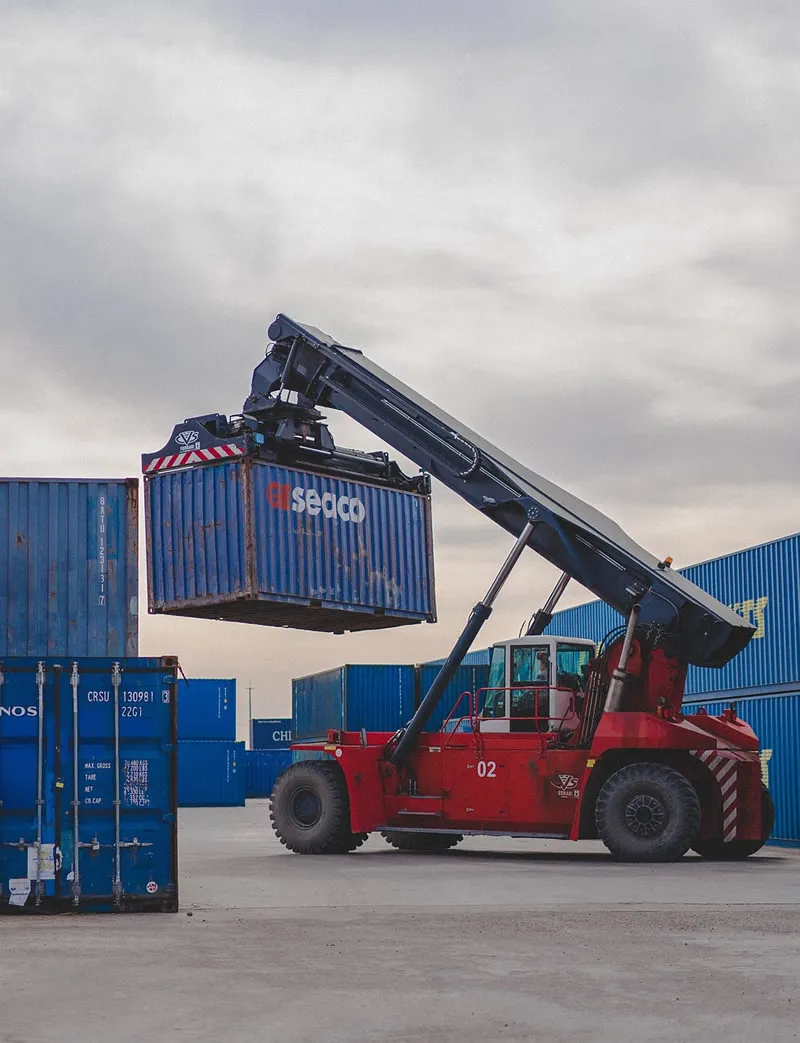
Re-export trade seems to increase transaction steps, but it actually hides clever strategies: When Mr. Dai textile factory re-exports goods from Vietnam to the United States via Singapore, it not only avoids high tariffs between China and the US but also saves 9.3% of costs by utilizing Singapore's free trade agreements. This "curved path to salvation" strategy demonstrates astonishing advantages in the current trade environment:
- Tariff Optimization: Enjoy preferential treatment under free trade agreements through transit in a third country.
- Risk Isolation: Prevent the leakage of commercial secrets caused by direct contact between buyers and sellers.
- Financial Flexibility: Offshore accounts in transit ports allow for flexible foreign exchange allocation.
II. The Three "Survival Rules" of Re-export Trade
1. Selection of Logistics Hubs: Transit ports like Hong Kong and Rotterdam offer 48-hour express customs clearance, saving 30% in time costs compared to direct shipping. A chemical enterprise increased the compliance rate of hazardous chemical transportation to 98% by transiting through Dubai.
2. Document Chain Management: The "document triangle" of the third country's certificate of origin, commercial invoice, and bill of lading for transshipment is indispensable. It is recommended to use blockchain for evidence preservation to avoid million-level fines due to discrepancies in documents.
3. Tax Scenario Simulation: The CIF to FOB price conversion model needs to be calculated in advance. A certain auto parts merchant unexpectedly incurred an additional 6.7% cost due to neglecting the transit country's value-added tax.
III. These Industries Are Quietly Prospering
Data shows that re-export trade has a particularly prominent advantage in specific sectors:

- Electronics: Utilize transit through Malaysia to circumvent technology export restrictions.
- Agricultural Products: Break through EU quarantine barriers by transiting through Chile.
- Medical Devices: Gain a fast track to CE certification by way of Switzerland.
Zhongmaoda's case shows that a medical equipment supplier shortened the EU market access period from 18 months to 5 months through re-export trade.
IV. Beware! These Pitfalls Must Be Avoided
While you are enjoying the dividends of re-export trade, please note: There is only a fine line between "legal tax avoidance" and "tax evasion." In 2023, a furniture company was fined punitive tariffs equivalent to 200% of the value of the goods for falsely declaring the transit country. Recommendations:
- Retain complete logistics track records.
- The transit country must have a genuine commercial presence (e.g., leasing a bonded warehouse).
- Avoid "one-day trip" style false transshipments.
Standing at the crossroads of global trade, re-export trade is like a "pawn" in chess—seemingly insignificant, yet capable of changing the entire game. Does your industry also have such "intermediate opportunities"? Welcome to share your observations in the comment section, or send a private message to obtain the re-export trade compliance white paper. After all, in an era full of barriers, those who know how to "take detours" often reach the destination first.

Recent Comments (0) 0
Leave a Reply