In the grand blueprint of global trade, re-export trade special zones are quietly emerging as a focus of attention for many trade practitioners. Imagine a region, like a super hub for trade, gathering goods from all over the world, which after ingenious circulation, are re-exported to other places, creating immense economic value. This is the charm of re-export trade special zones. Today, let us delve into this field full of opportunities together.
Unique Advantages of Re-export Trade Special Zones
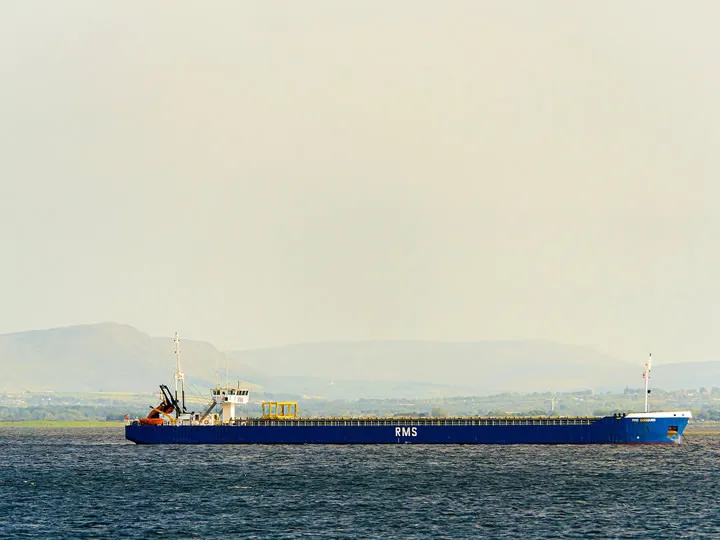
Re-export trade special zones possess unique advantages. Firstly, in terms of geographical location, most re-export trade special zones are established in extremely convenient transportation hubs, such as being adjacent to important ports or international airports. Taking a certain re-export trade special zone as an example, the annual throughput of its port is enormous. Mr. Mao trading company often utilizes the port of this special zone to quickly transship goods, greatly reducing transportation time.
Secondly, preferential policies are also a major highlight. Special zones usually introduce a series of preferential policies for re-export trade, such as tariff reductions and simplifications of customs clearance procedures. Mr. Mao company has benefited from these policies. The originally complex and cumbersome customs clearance process has become efficient and convenient in the special zone, greatly reducing enterprise operating costs.
Operating Models of Re-export Trade Special Zones
The operating models of re-export trade special zones are rich and diverse. A common model is goods warehousing and redistribution. Goods are first stored in warehouses within the special zone, waiting for the right time and buyers, and then repacked, sorted, and shipped to different destinations. Another model is value-added processing. Simple processing is carried out on goods within the special zone to increase their added value before export. For example, processing some basic raw materials into semi-finished products can increase the selling price of the products.
In addition, information services and trade matchmaking are also important links. Special zones often gather numerous trading intermediaries, logistics companies, etc., forming a vast information network. Through this network, trading parties can quickly find suitable partners and complete transactions.
Challenges and Opportunities Faced by Re-export Trade Special Zones
Of course, re-export trade special zones are not without their challenges. Fluctuations in the global economic situation directly affect trade volumes. For example, during economic crises, trade demand decreases significantly. At the same time, regional competition is becoming increasingly fierce, with different special zones competing to attract trade resources. However, challenges and opportunities coexist. With the advancement of the "Belt and Road" initiative, trade between countries along the route has become more frequent, and re-export trade special zones, as trade nodes, are ushering in unprecedented development opportunities. The rise of emerging markets also brings more trading partners and business expansion space to special zones.
Looking ahead, re-export trade special zones are expected to play a more significant role in global trade. For trade practitioners, actively paying attention to the development trends of special zones and seizing business opportunities within them may allow them to ride the waves of trade and open new business chapters. Let us look forward to re-export trade special zones creating more trade miracles and promoting the continuous development of the global economy.

Recent Comments (0) 0
Leave a Reply