In the vast landscape of global trade, cross-border e-commerce and re-export trade are gradually emerging as important avenues for numerous businesses to expand into international markets. Today, let's delve into this popular field of cross-border e-commerce re-export trade and unveil its mysteries.
Concepts and Models of Cross-border E-commerce Re-export Trade
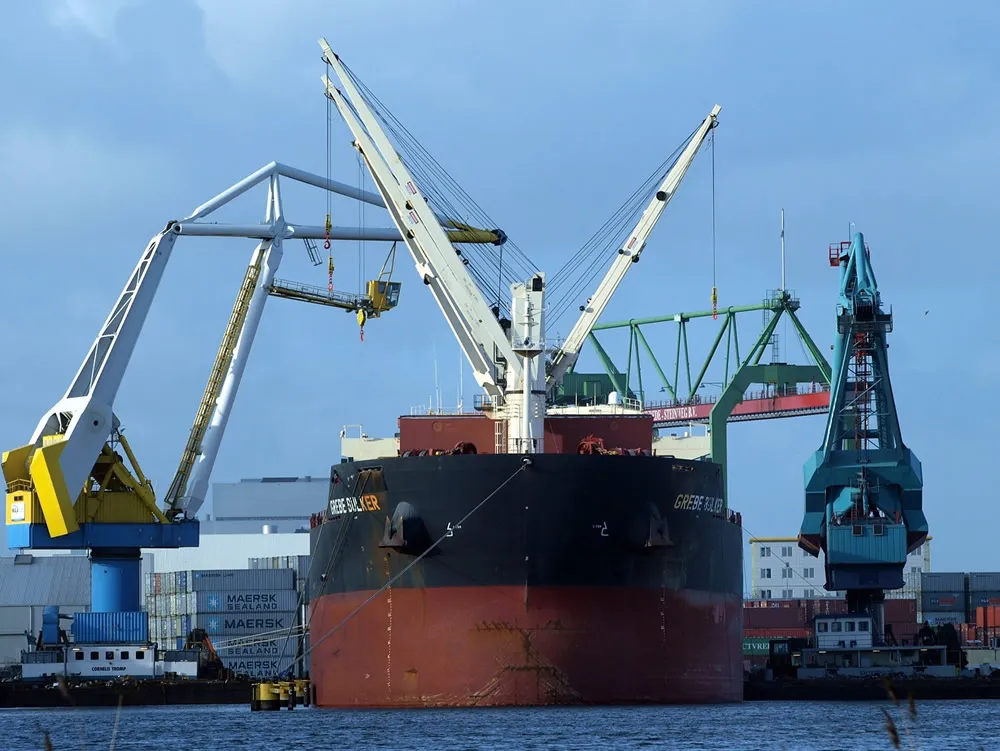
In simple terms, cross-border e-commerce refers to an international business activity where trading entities belonging to different customs territories complete transactions, conduct electronic payment settlements through e-commerce platforms, and deliver goods via cross-border logistics. Re-export trade, on the other hand, refers to the buying and selling of import and export goods in international trade that does not occur directly between the producing country and the consuming country, but rather through a third country.
When cross-border e-commerce and re-export trade combine, a unique model is formed. For example, if Mr. Li company produces an electronic product, directly exporting it to the target country might incur high tariffs or trade barriers. In this situation, he could choose to export the goods first to a third country through a trader like Zhongmaoda in that third country, and then have the third country re-export them to the target country. This approach leverages the convenient transaction platform of cross-border e-commerce while cleverly circumventing some trade obstacles through re-export trade.
Advantages of Cross-border E-commerce Re-export Trade
First, avoiding trade barriers. With the rise of global trade protectionism, various countries have introduced a range of tariff and non-tariff barriers. Through re-export trade, enterprises can leverage the advantages of a third country to bypass these restrictions and smoothly enter target markets. For instance, some countries impose high anti-dumping duties on specific products, and re-exporting can potentially reduce these costs.
Second, optimizing the supply chain. Under the cross-border e-commerce re-export trade model, enterprises can integrate global resources and optimize their supply chain layout. Professional traders like Zhongmaoda can help businesses find high-quality raw material suppliers, production partners, and logistics service providers worldwide, thereby improving production efficiency and reducing operational costs.
Furthermore, **expanding market opportunities**. Re-export trade can help enterprises reach more customers in different regions and expand their market share. By establishing warehouses or sales channels in a third country, businesses can respond more quickly to customer demands and enhance customer satisfaction.
Challenges Faced by Cross-border E-commerce Re-export Trade
However, cross-border e-commerce re-export trade is not always smooth sailing. On the one hand, **logistics risks** cannot be ignored. Goods circulate among multiple countries, involving long transportation distances and many stages, making them susceptible to damage, delays, or even loss. On the other hand, **policy and regulatory risks** are also prominent. Different countries have varying trade policies, tax policies, and customs regulations, and any policy changes could lead to increased costs or trade impediments for businesses.
Furthermore, **credit risk** is another major challenge. In re-export trade, multiple trading entities are involved, and ensuring that all parties adhere to contractual agreements, making timely payments and deliveries, is a crucial issue that businesses need to address.
Coping Strategies and Future Outlook
Faced with these challenges, enterprises can adopt a series of countermeasures. In terms of logistics, choose capable and reputable logistics suppliers and purchase adequate cargo insurance. For policy and regulatory risks, businesses should strengthen their research on national policies and adjust their trade strategies promptly. For credit risk management, establish a sound credit evaluation system and select reliable partners.
Looking to the future, with the deepening development of global economic integration, cross-border e-commerce re-export trade is expected to embrace broader development prospects. As long as enterprises can fully leverage their advantages, actively respond to challenges, and continuously innovate and optimize their operating models, they are bound to achieve greater success in the international market. Let us collectively anticipate this field of cross-border e-commerce re-export trade flourishing with even more brilliant splendor, and we welcome everyone to share their insights and experiences in the comments section.

Recent Comments (0) 0
Leave a Reply