In today's globalized business tide, trade forms are increasingly diverse, among which weave transit re-export trade is gradually emerging and attracting the attention of many businesses. Today, let's delve deep into the intricacies of weave transit re-export trade and explore its charm and advantages.
I. What is Weave Transit Re-export Trade?
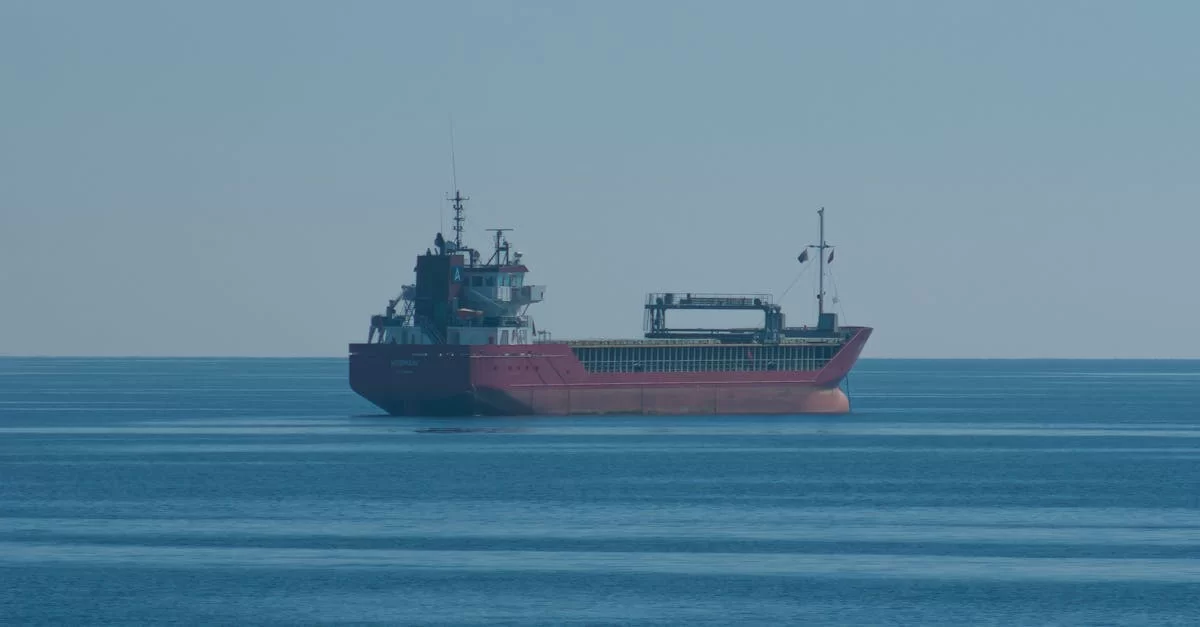
Weave transit re-export trade, in simple terms, is a trading method where goods are transshipped, processed, and packaged at a specific transit point before being exported to their final destination. It's like a "transit station" in the trade journey, but this station plays a crucial role.
For instance, some goods may face certain restrictions from their country of origin, or to better adapt to the demands of the target market, they may undergo corresponding adjustments at the transit point of weave transit re-export trade. Here, goods can be reclassified, relabeled according to the target market's requirements, thereby facilitating smoother circulation of goods upon entering the final destination market.
II. Advantages of Weave Transit Re-export Trade
- Firstly, it can effectively circumvent certain trade barriers. In international trade, the trade policies and tariff regulations of various countries differ. Some countries may impose higher tariffs or other restrictive conditions on goods from certain countries of origin. Through weave transit re-export trade, after appropriate processing of goods at the transit point, it is possible to change the country of origin determination, thereby bypassing these unfavorable trade barriers and reducing trade costs.
- Secondly, it can better meet market demands. Different markets have different requirements for product specifications, packaging, and labeling. At the transit point of weave transit re-export trade, goods can be customized according to the specific needs of the target market. For example, the European market may have higher requirements for environmental labels; thus, at the transit point, products can be affixed with environmental labels that comply with European standards, enhancing their competitiveness in that market.
- Furthermore, from a logistics perspective, weave transit re-export trade can optimize logistics routes. By selecting appropriate transit points, the transportation of goods from different regions can be consolidated, achieving large-scale logistics operations, improving logistics efficiency, and reducing transportation time and costs.
III. Precautions for Participating in Weave Transit Re-export Trade
Although weave transit re-export trade offers numerous advantages, certain key matters need attention for its smooth execution.
On one hand, it is essential to have a thorough understanding of the relevant policies and regulations of the transit country. Different transit countries have detailed regulations for the import, export, processing, and storage of goods. It is imperative to ensure that one's trade operations fully comply with local requirements, otherwise, one may face fines, cargo detention, and other issues.
On the other hand, it is important to collaborate with professional logistics and trade service providers, such as reliable service providers like Zhongmaoda. They possess rich experience and professional teams that can provide strong support in various aspects such as cargo transshipment, customs declaration, and customs clearance, ensuring the smooth progress of trade.
IV. Future Development Trends of Weave Transit Re-export Trade
With the continuous development of the global economy and the increasing frequency of international trade, weave transit re-export trade is expected to usher in broader development prospects.
Technological advancements will further drive its development. For instance, intelligent logistics management systems can more accurately plan the transshipment process of goods at transit points, improving operational efficiency. Meanwhile, with the continuous changes in market demand, weave transit re-export trade will also continue to innovate and optimize to better adapt to new market environments.
In conclusion, weave transit re-export trade, as a trading method with unique advantages, is gradually becoming a new choice for many businesses to expand their international markets. However, when participating, it is crucial to be fully prepared and understand its rules and precautions. It is hoped that all businesses can find their own development opportunities in weave transit re-export trade and embark on a new chapter of international trade. You are also welcome to share your views and experiences on weave transit re-export trade in the comment section!

Recent Comments (0) 0
Leave a Reply