On the vast stage of international trade, re-export trade plays a significant role with its unique operational model. Many might have heard this term, but may not have a deep understanding of its true meaning, operational flow, and related aspects. Today, let us unveil the mystery of re-export trade and explore various situations under re-export trade.
What is Re-export Trade?
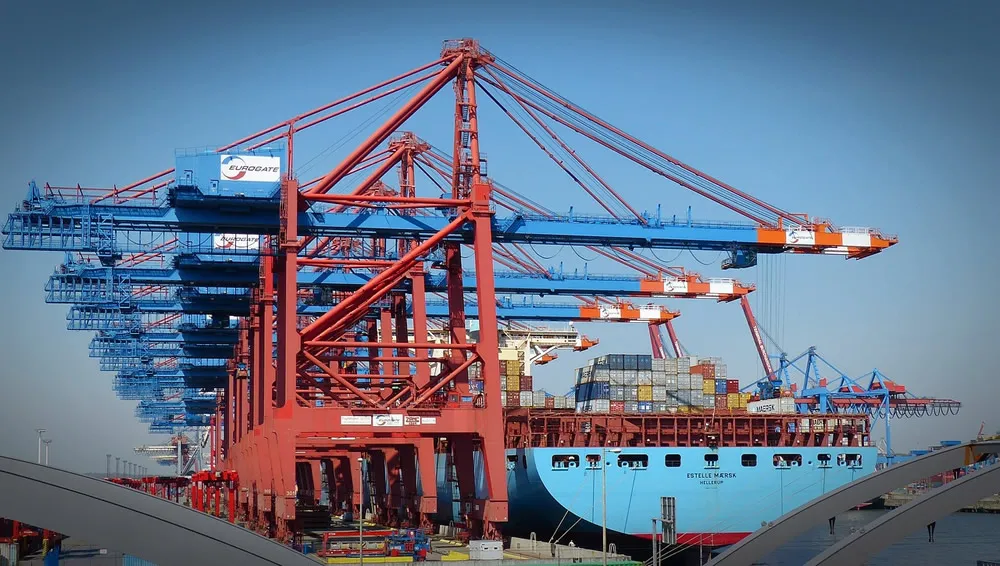
Simply put, re-export trade refers to the trade of imported and exported goods where the buyer and seller are not in the exporting and importing countries directly, but through a third country. For example, products from producing country A are first exported to third country C, and then re-exported from third country C to consuming country B. In this case, third country C plays the role of re-export trade. This trade model is not a new phenomenon; as early as the ancient Silk Road era, some Central Asian countries connected East-West trade through re-export trade.
Advantages and Motivations of Re-export Trade
Behind the existence of re-export trade are numerous advantages and motivations. From a commercial perspective, for some enterprises, re-export trade can help them utilize trade policy differences between different countries and regions to reasonably avoid trade barriers. For instance, some countries impose high tariffs on specific products. Through re-export trade, enterprises can reduce the cost of products entering the target market by leveraging the more relaxed trade policies of a third country. At the same time, re-export trade can help enterprises expand market channels, reach more customers from different regions, and thus expand their business scope.
Operational Procedures and Risks of Re-export Trade
The operational procedures of re-export trade are relatively complex. Generally, first, the manufacturing enterprise signs an export contract with the re-export trader and transports the goods to the transit port. After the re-export trader performs operations such as changing containers and repacking at the transit port, they sign an export contract with the importer in the destination country and transport the goods to the destination country. In this process, risks cannot be ignored. In terms of logistics risks, goods may encounter transportation delays or damage during transit. Trade policy risks are also prominent; once the trade policies of the transit country or the destination country change, such as raising tariffs or implementing import quotas, it may affect the smooth progress of re-export trade.
Case Study: Practical Operation of Re-export Trade
Take Mr. Cao company as an example. They originally exported their electronic products directly to a developed country, but this country recently implemented stricter trade protection policies and significantly increased tariffs. Therefore, Mr. Cao, through a professional re-export trade service agency like Zhongmaoda, chose a third country with relatively lenient trade policies as the transit point. The goods were first transported to the third country, and after repacking and some necessary procedures, they were re-exported to the target country. Through this method, tariff costs were successfully reduced, and the product's competitiveness in that market was maintained.
How to Cope with Re-export Trade Risks
Facing the risks of re-export trade, enterprises need to take a series of measures to cope. In the logistics link, choose reputable and experienced logistics suppliers and purchase adequate cargo insurance to reduce the risk of cargo loss. In terms of trade policies, closely monitor the policy dynamics of the transit and destination countries and formulate contingency plans in advance. At the same time, enterprises should strengthen cooperation with re-export trade service agencies, such as Zhongmaoda, leveraging their professional knowledge and rich experience to ensure the smooth progress of re-export trade.
Re-export trade, as an important mode in international trade, harbors business opportunities but also entails risks. When engaging in re-export trade, enterprises need to thoroughly understand its operational mechanisms, fully assess the risks, and adopt effective coping strategies. Only in this way can they move forward steadily in the wave of re-export trade and achieve commercial success. We hope that through this article, you have gained a clearer understanding of the situations under re-export trade and can better grasp the opportunities brought by re-export trade in your future business decisions.

Recent Comments (0) 0
Leave a Reply