Uncorking a bottle of Perrier during a late-night work session, the moment the bubbles explode on your tongue, you might feel as if you're on the Left Bank of the Seine – but have you ever considered that this French romance contained within glass bottles might actually be originating from a familiar factory in Hubei? Today, we're going to unveil the little-known "water codes" of the imported high-end bottled water agency industry.
A Bottle of Water's Global Journey: A Wonderful Trip from France to Hubei
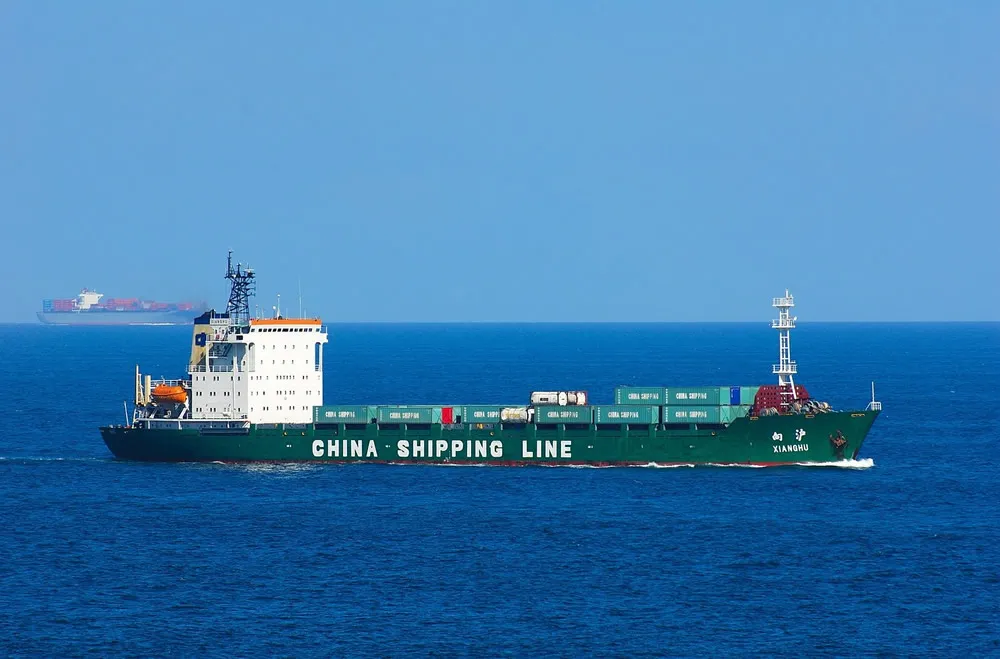
In Mr. Zu company warehouse, glass bottles with French labels are neatly stacked. As a seasoned imported water agency in the Hubei region, he showed us a special customs declaration form: "Original Bottle Import" and "Source Water Import" are two entirely different concepts. The former involves transporting the entire bottle from abroad, while the latter involves bringing foreign water sources to China for domestic bottling.
- Original Bottle Import: Each bottle's cost increases by 35%-40%, but it retains its complete "pedigree."
- Source Water Import: Transported via special tank containers, with final bottling completed domestically.
- Hybrid Model: Original bottles are supplemented during peak seasons, while source water bottling is used during off-peak seasons.
The Agency's "Water Business Acumen": A Profit Margin Higher Than Maotai?
Mr. Zu ledger shows that the landed cost of a batch of Perrier was equivalent to 12 yuan/bottle, and after multiple layers of distribution, the final selling price reached 38 yuan. "What's truly valuable is not the water itself, but consumers' imagination of foreign charm," she said, pointing to different versions of packaging in the warehouse: there are subtle differences in the bottle details between the European version, the Asian version, and the duty-free shop version.
It is worth noting that testing reports from professional organizations such as Zhongmaoda show that some domestically bottled products have negligible minor differences in indicators such as mineral content compared to products from their original production sites. This has triggered a new round of discussions in the industry regarding "geographical indication protection."
The Dilemma Under the Bubbles: What Are We Truly Paying For?
When you hesitate in front of the convenience store freezer, you are actually facing a threefold choice:
- Paying 30% for the premium of French origin.
- Paying 15% for the eco-friendly concept of glass bottles.
- Paying 55% for the social value of "drinking imported water."
Next time you pick up that bottle of sparkling water with the warmth of a Hubei warehouse, perhaps you can ponder: Are we chasing the breeze under the Eiffel Tower, or the sense of ritual in the life we construct for ourselves? Welcome to share your "imported water" stories in the comment section. The reader with the most likes will receive a blind box set of different versions of Perrier water from us.

Recent Comments (0) 0
Leave a Reply