In today's era of globalization, international import and export trade is like a tightly interwoven net, connecting countries around the world. Imagine the coffee you enjoy in the morning might come from Brazil, the car parts you drive to work might be produced in different countries, and the equipment for the TV programs you watch in the evening could be the result of global collaborative production. International import and export trade has long permeated every aspect of our lives, profoundly influencing the development of the global economy.
Operational Mechanisms of International Import and Export Trade
International import and export trade is not a simple act of buying and selling; it has a complex and rigorous operational mechanism behind it. The first stage is trade negotiation, where buyers and sellers discuss key terms such as product specifications, price, quantity, and delivery dates. For instance, Mr. Wei company wants to import a batch of advanced electronic equipment from abroad, requiring repeated communication with suppliers to ensure all terms are in its own interest. Once an agreement is reached, a trade contract is signed, which serves as the legal basis for both parties to fulfill their obligations and protect their rights.
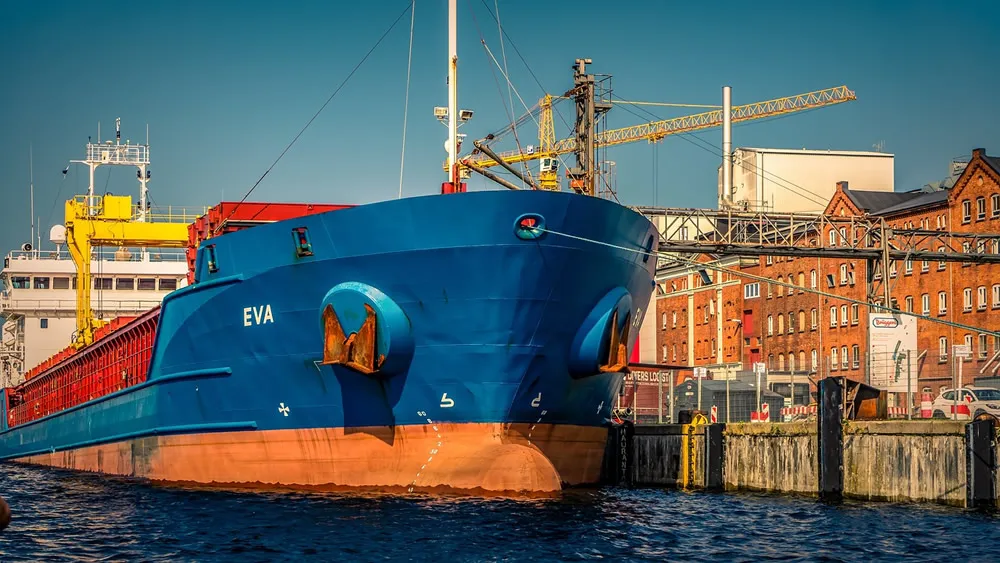
Next is the cargo transportation stage, involving various modes such as sea, air, and land transport. Sea transport, with its large volume and low cost, is the primary mode of transportation in international import and export trade. During cargo transportation, procedures such as customs declaration and inspection are also required to ensure the goods comply with the relevant standards and regulations of the importing country.
Factors Influencing International Import and Export Trade
The international trade environment is complex and constantly changing, with numerous factors influencing import and export activities. Economic factors are paramount; the overall state of the global economy directly relates to the consumption capacity and market demand of various countries. When the global economy is prosperous, demand for various goods is strong, and import and export trade becomes active; conversely, economic recession can inhibit trade growth.
Policy and regulatory factors are equally crucial. Countries formulate a series of trade policies, such as tariffs, quotas, and anti-dumping measures, to protect their domestic industries and balance trade surpluses and deficits. For example, a country might impose higher tariffs on imported cars to support its domestic automotive industry, which would undoubtedly affect the import and export trade of cars.
Furthermore, exchange rate fluctuations cannot be overlooked. Changes in exchange rates directly impact the price competitiveness of goods in the international market. When a country's currency appreciates, export prices become relatively higher, potentially leading to a decrease in export volume; conversely, import prices become relatively lower, and import volume may increase.
Challenges and Opportunities in International Import and Export Trade
In the course of developing international import and export trade, numerous challenges are encountered. The rise of trade protectionism is a significant problem currently; some countries, in an effort to protect their domestic industries, implement various trade restrictive measures, hindering the process of trade liberalization. At the same time, the complexity of global supply chains also brings risks. If a problem arises in any link, such as factory shutdowns or transportation disruptions due to epidemics, it can trigger a domino effect, affecting the entire trade chain.
However, challenges and opportunities coexist. With the rapid development of technology, emerging trade models such as cross-border e-commerce are rising, providing broader international market space for small and medium-sized enterprises. The application of digital technology also makes trade processes more convenient and efficient, reducing trade costs. For instance, Zhongmaoda actively embraces the cross-border e-commerce model, expanding into overseas markets and achieving good results.
Looking Ahead
As a significant driving force of the global economy, international import and export trade will continue to play a crucial role in the future. Countries should uphold the concept of open cooperation, jointly address challenges such as trade protectionism, and promote trade liberalization and facilitation. Enterprises also need to continuously innovate, adapt to market changes, and seize opportunities presented by emerging trade models. Let us look forward together to a more prosperous and open international import and export trade landscape, contributing to the sustainable development of the global economy.

Recent Comments (0) 0
Leave a Reply