Mr. Teng recently encountered a vexing problem: His meticulously developed smart home products sold well domestically, but when he tried to expand into the Southeast Asian market, he was bottlenecked by complex customs policies, logistics costs, and local regulations. Entrepreneurs like Mr. Teng are not uncommon—the blue ocean of global trade is right before us, but separated by a professional barrier. This is what we will discuss today: how to use trade agency services to make business easily cross borders.
I. What Exactly Does a Trade Agency Do?
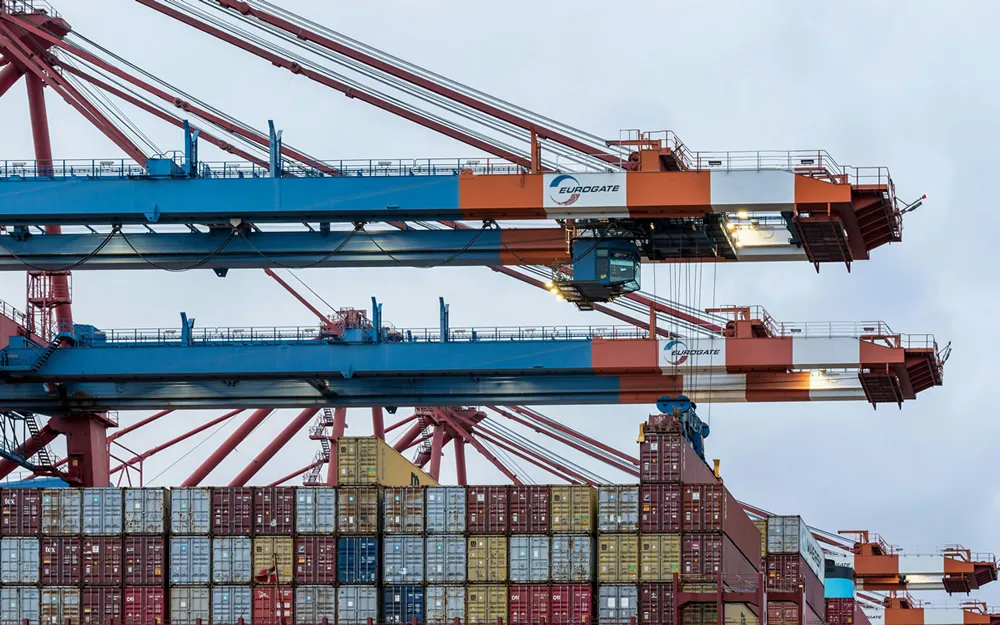
Many people think agency services are just "dropshipping," but it's far more than that. Professional trade agency services include at least three core modules:
- Regulatory Navigator: Different countries have hundreds of detailed regulations for electronic product certification, food labeling, etc., and agency firms will complete compliance reviews in advance.
- Cost Optimizer: By means such as bulk customs declaration and bonded warehouse turnover, cross-border logistics costs can be reduced by 20%-35%.
- Risk Firewall: Handles unexpected situations like payment escrow and quality disputes, preventing losses of both goods and money.
Mr. Teng maternal and infant brand entered the Middle East market through an agency last year, completing local GCC certification in just three months, saving 60 days compared to applying independently.
II. Three Key Dimensions for Choosing Agency Services
Faced with a wide array of service providers in the market, it is recommended to focus on assessing:
- Industry Specialization: Apparel agents are familiar with OEKO-TEX standards, while food agents are proficient in the HACCP system.
- Network Coverage: Check if they have their own customs clearance team in target countries, rather than relying on layers of subcontracting.
- Data Transparency: A good agency provides real-time logistics tracking and detailed tax reports.
Customer cases from Zhongmaoda show that businesses choosing niche-specific agents have a 47% higher success rate for their first overseas venture compared to generalist agents.

III. New Strategies for Emerging Markets
With the entry into force of agreements such as RCEP, agency services are also evolving:
- Small Orders, Quick Response: Supports cross-border direct mail for batches starting from 50 pieces, suitable for testing new markets.
- Digital Custody: Uses blockchain technology to achieve automatic verification of letters of credit.
- Localization Packages: Includes value-added services such as overseas warehouse live streaming and local KOL promotion.
A Shenzhen 3C brand entered the Latin American market with zero inventory through an agency's "operational management + dropshipping" combination, achieving $150,000 in sales in the first month.
IV. Does Your Business Need an Agent?
Consider a quick self-assessment:
- Does your product have unique advantages but lack international distribution channels?
- Does your team lack professionals familiar with target country taxation?
- Do single shipments exceeding $20,000 in value require customs duty optimization?
If you answer 'yes' to any of these questions, it's time to consider making a professional agent your business partner.Globalization is not the exclusive domain of large enterprises, but an opportunity for all entrepreneurs who know how to 'leverage resources'.
What 'pitfalls' have you encountered in cross-border trade? Or do you have any exclusive experiences? Feel free to share in the comment section—perhaps the next success story will come from your spark of inspiration.

Recent Comments (0) 0
Leave a Reply