“Mr. Lai recently imported a batch of precision instruments from Japan. He thought he could pick up the goods smoothly once they arrived at the port, but due to incomplete customs declaration documents, they were stuck at customs for a full two weeks, and the final agency fee ended up being 1.5 times over budget…” Stories like this unfold daily at the Shenzhen port. As the most active foreign trade city in the country, what hidden complexities lie within Shenzhen's import customs declaration and inspection agency fees? Today, we will lift this veil of mystery.
I. Composition of Agency Fees: Far More Than Just "Runner Fees"
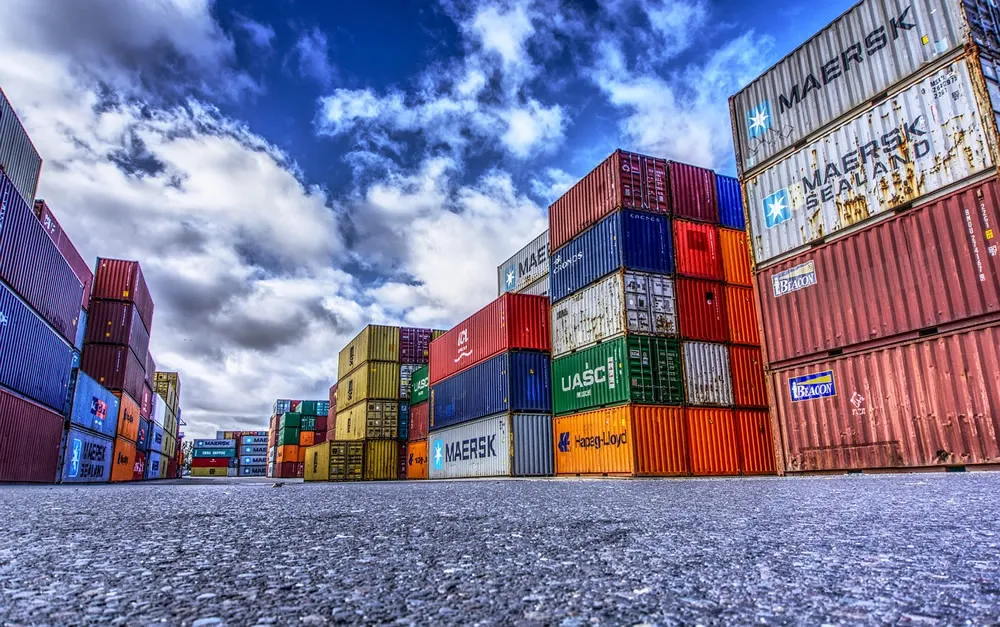
Customs declaration and inspection agency fees at the Shenzhen port typically include three parts:
- Basic Service Fee: ¥500-¥2000 per shipment, covering routine operations such as document review and system entry.
- Additional Special Fees: For chilled goods, for example, a fee of ¥1000/instance for temperature-controlled inspection warehouse services is required.
- Emergency Handling Fee: Expedited declarations during holidays may incur a 300% urgent service fee.
Mr. Lai case is a prime example: the cosmetics she imported incurred a ¥2000 supplementary testing fee because the ingredient declarations were not on record. This portion of the fee is often not explicitly communicated at the time of signing the contract.
II. 5 Key Factors Influencing Price Differences
Why do some customs declaration agencies quote ¥800 while others charge ¥3000 for the same service? The main differences stem from:
- Accuracy of the commodity HS code (incorrect codes can lead to amendment fees ranging from ¥500 to ¥5000).
- Quarantine risk level (food products average 40% higher fees than machinery).
- Port selection (Yantian Port has a 15% higher inspection rate than Shenzhen Bay Port).
- Enterprise credit rating (AEO certified enterprises can receive a 30% reduction in inspection fees).
- Service provider qualifications (Class AA customs brokers like Zhongmaoda have priority customs clearance access).
III. Pitfall Avoidance Guide: 3 Ways to Save Unnecessary Expenses
1. Conduct Pre-classification of Goods in Advance: Spending ¥500 on a professional pre-classification report can avoid 80% of amendment risks.
2. Utilize the "Advance Declaration" Policy: Declaring 3 days before goods arrive at the port can save 50% of demurrage fees.
3. Choose Transparent Service Providers: Request quotations that include "maximum potential fees" and be wary of "low-price bait-and-switch" traps.
IV. Future Trends: The Transformation Brought by Digitalization
With the construction of Shenzhen Customs' "Smart Port," the proportion of self-service customs declarations has increased to 65%. However, it is worth noting that the AI audit pass rate is only 82%, and the remaining 18% of complex cases still require human intervention – this means future agency fees may polarize: simple customs declarations could drop to ¥300/shipment, while fees for special commodity agencies might actually rise.
Next time you hear a promise of an "all-inclusive price of ¥1980," don't hesitate to ask: "How are fees calculated if sampling and testing are required?" After all, in the import and export industry, **every penny saved is pure profit**. What other details about Shenzhen customs declaration fees would you like to know? Feel free to share your experiences in the comments section.

Recent Comments (0) 0
Leave a Reply