In the wave of economic globalization, import and export trade is becoming increasingly active. For many enterprises, handling import and export business independently can involve numerous complex procedures. At this juncture, import and export agencies have become valuable assistants for many businesses. So, how exactly should import and export agencies be handled? Let's delve into it together.
Clarifying Needs and Selecting an Agency
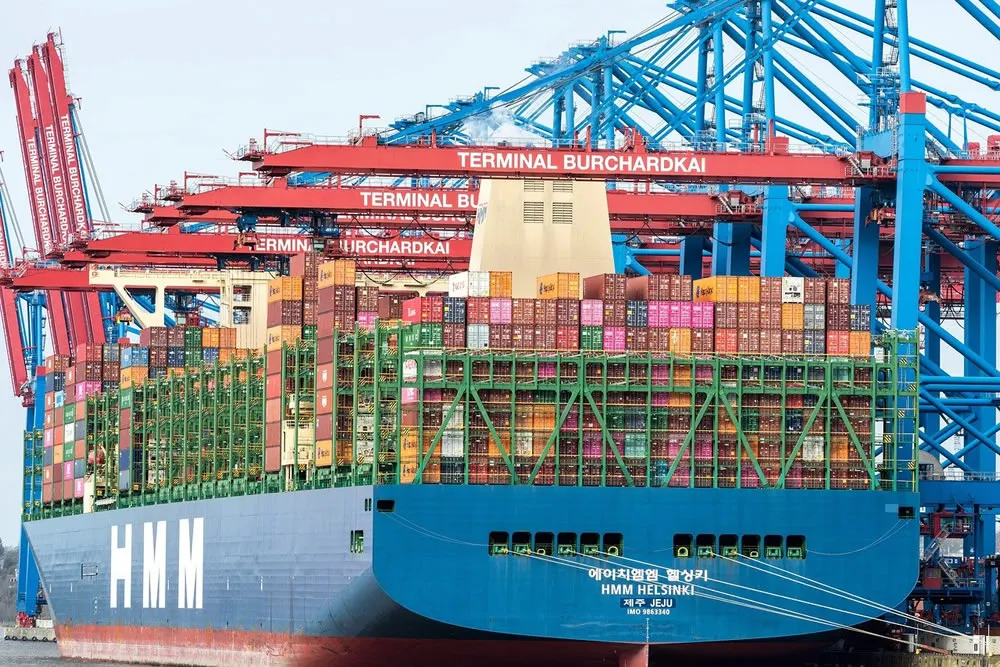
Firstly, enterprises must clearly define their import and export needs. Is it solely the import and export of goods, or does it involve more complex areas such as technology trade or processing trade? Different types of business operations have varying professional requirements for an agency.
Choosing a reliable import and export agency is crucial. This can be done through various channels, such as industry recommendations or online searches. Take Zhongmaoda as an example; it boasts extensive experience and a good reputation within the industry. When evaluating an agency, pay attention to its qualifications, such as whether it possesses legal import and export operating rights and other relevant certificates. Simultaneously, review the agency's past business cases to see if they align with your business type, and assess their service quality and customer satisfaction.
Negotiating Cooperation Details
Once potential agencies have been shortlisted, the next step is to negotiate the details of cooperation. Both parties should engage in thorough communication regarding the scope of services. Typically, an agency's service scope includes customs declaration, commodity inspection, transportation arrangements, and foreign exchange settlement. Enterprises must clearly communicate their specific needs to the agency, such as special requirements for transportation conditions of the goods.
Pricing is also a key aspect of negotiation. Agency fees can be collected in various ways, possibly as a percentage of the cargo value, per shipment, or calculated comprehensively. Enterprises should negotiate a reasonable and transparent fee structure with the agency to avoid hidden charges later. Additionally, clarify the payment methods and timelines for service fees to prevent unnecessary disputes.
Signing the Agency Contract
After negotiations reach an agreement, signing the agency contract is a critical step in safeguarding the rights and interests of both parties. The contract should clearly define the rights and obligations of each party. For instance, the agency is obligated to complete various agency tasks according to the agreed service standards and timelines, while the enterprise is obligated to provide accurate and truthful cargo information and pay service fees on time.
The definition of liabilities for breach of contract should also be clear. If the agency fails to complete customs declaration on time, leading to additional costs due to cargo detention, how should responsibility be borne? If the enterprise provides false information, causing losses to the agency, how should compensation be made? A rigorous contract can effectively prevent conflicts and risks during the cooperation process.
Providing Documentation and Following Up on the Process
After the contract is signed, enterprises must promptly provide all necessary documentation as required by the agency. This includes commercial invoices, packing lists, contract copies, and other documents essential for customs declaration and commodity inspection. Meanwhile, enterprises should maintain close communication with the agency and actively follow up on the business process.
Upon receiving the documentation, the agency will systematically carry out various tasks. From customs declaration to transportation arrangements, every step requires meticulous attention. Enterprises can request regular progress reports from the agency to ensure they are always aware of the cargo's status until the smooth import and export and delivery of the goods are completed.
Summary and Outlook
Handling import and export agency services is akin to building an efficient channel for an enterprise's import and export trade. By clarifying needs, selecting the right agency, negotiating details, signing contracts, and actively cooperating, enterprises can navigate the complexities of international trade with ease. It is hoped that business owners can fully leverage the advantages of import and export agencies to expand into overseas markets, enhance corporate competitiveness, and achieve great success in the realm of import and export trade.

Recent Comments (0) 0
Leave a Reply